Keith Self
 From Ballotpedia - Reading time: 35 min

Keith Self (Republican Party) is a member of the U.S. House, representing Texas' 3rd Congressional District. He assumed office on January 3, 2023. His current term ends on January 3, 2027.
Self (Republican Party) is running for re-election to the U.S. House to represent Texas' 3rd Congressional District. He is on the ballot in the Republican primary on March 3, 2026.[source]
Biography[edit]
Keith Self was born in Philadelphia, Pennsylvania, in 1953.[1] He earned a bachelor's degree in engineering from the United States Military Academy in 1975 and a graduate degree from the University of Southern California in 1981.[2][3] Self served in the U.S. Army from 1975 to 2003. He also worked as a defense contractor. He was a county judge for Collin County, Texas, from 2007 to 2018.[1]
Committee assignments[edit]
U.S. House[edit]
2025-2026
Self was assigned to the following committees:[Source]
- House Committee on Veterans' Affairs
- Disability Assistance and Memorial Affairs
- Oversight and Investigations
- Committee on Science, Space, and Technology
- Space and Aeronautics
- Committee on Foreign Affairs
- Committee on Foreign Affairs, Chair
- Committee on Foreign Affairs
2023-2024
Self was assigned to the following committees:[Source]
- Committee on Foreign Affairs
- Europe
- Western Hemisphere
- House Committee on Veterans' Affairs
- Disability Assistance and Memorial Affairs
- Technology Modernization
Elections[edit]
2026[edit]
See also: Texas' 3rd Congressional District election, 2026
General election
The primary will occur on March 3, 2026. The general election will occur on November 3, 2026. General election candidates will be added here following the primary.
Withdrawn or disqualified candidates
- Brittany Black (No Political Party)
Democratic primary
Democratic primary for U.S. House Texas District 3
Evan Hunt (D) is running in the Democratic primary for U.S. House Texas District 3 on March 3, 2026.
Candidate | ||
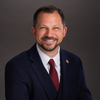 | Evan Hunt | |
| ||||
 = candidate completed the Ballotpedia Candidate Connection survey. = candidate completed the Ballotpedia Candidate Connection survey. | ||||
| If you are a candidate and would like to tell readers and voters more about why they should vote for you, complete the Ballotpedia Candidate Connection Survey. | ||||
Do you want a spreadsheet of this type of data? Contact our sales team. | ||||
Withdrawn or disqualified candidates
- Jordan Wheatley (D)
Republican primary
Republican primary for U.S. House Texas District 3
Incumbent Keith Self (R) and Mark Newgent (R) are running in the Republican primary for U.S. House Texas District 3 on March 3, 2026.
Candidate | ||
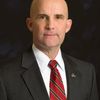 | Keith Self | |
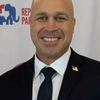 | Mark Newgent | |
| ||||
| = candidate completed the Ballotpedia Candidate Connection survey. | ||||
| If you are a candidate and would like to tell readers and voters more about why they should vote for you, complete the Ballotpedia Candidate Connection Survey. | ||||
Do you want a spreadsheet of this type of data? Contact our sales team. | ||||
Withdrawn or disqualified candidates
- Zain Shaito (R)
Endorsements[edit]
Self received the following endorsements. To send us additional endorsements, click here.
2024[edit]
See also: Texas' 3rd Congressional District election, 2024
Texas' 3rd Congressional District election, 2024 (March 5 Republican primary)
Texas' 3rd Congressional District election, 2024 (March 5 Democratic primary)
General election
General election for U.S. House Texas District 3
Incumbent Keith Self defeated Sandeep Srivastava in the general election for U.S. House Texas District 3 on November 5, 2024.
Candidate | % | Votes | ||
| ✔ | | Keith Self (R) | 62.5 | 237,794 |
 | Sandeep Srivastava (D) | 37.5 | 142,953 | |
| Total votes: 380,747 | |||
| = candidate completed the Ballotpedia Candidate Connection survey. | ||||
| If you are a candidate and would like to tell readers and voters more about why they should vote for you, complete the Ballotpedia Candidate Connection Survey. | ||||
Do you want a spreadsheet of this type of data? Contact our sales team. | ||||
Withdrawn or disqualified candidates
Democratic primary election
Democratic primary for U.S. House Texas District 3
Sandeep Srivastava advanced from the Democratic primary for U.S. House Texas District 3 on March 5, 2024.
Candidate | % | Votes | ||
| ✔ | | Sandeep Srivastava | 100.0 | 17,422 |
| Total votes: 17,422 | |||
| = candidate completed the Ballotpedia Candidate Connection survey. | ||||
| If you are a candidate and would like to tell readers and voters more about why they should vote for you, complete the Ballotpedia Candidate Connection Survey. | ||||
Do you want a spreadsheet of this type of data? Contact our sales team. | ||||
Withdrawn or disqualified candidates
- Neil Efros (D)
Republican primary election
Republican primary for U.S. House Texas District 3
Incumbent Keith Self defeated Suzanne Cassimatis Harp, Tre Pennie, John Porro, and Jeremy Ivanovskis in the Republican primary for U.S. House Texas District 3 on March 5, 2024.
Candidate | % | Votes | ||
| ✔ | | Keith Self | 72.8 | 55,888 |
 | Suzanne Cassimatis Harp | 18.5 | 14,215 | |
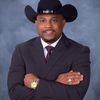 | Tre Pennie | 3.6 | 2,797 | |
 | John Porro | 3.4 | 2,634 | |
 | Jeremy Ivanovskis | 1.6 | 1,224 | |
| Total votes: 76,758 | |||
| = candidate completed the Ballotpedia Candidate Connection survey. | ||||
| If you are a candidate and would like to tell readers and voters more about why they should vote for you, complete the Ballotpedia Candidate Connection Survey. | ||||
Do you want a spreadsheet of this type of data? Contact our sales team. | ||||
Withdrawn or disqualified candidates
- Burt Thakur (R)
Libertarian convention
Libertarian convention for U.S. House Texas District 3
Christopher Claytor advanced from the Libertarian convention for U.S. House Texas District 3 on March 23, 2024.
Candidate | ||
| ✔ |  | Christopher Claytor (L) |
| ||||
| = candidate completed the Ballotpedia Candidate Connection survey. | ||||
| If you are a candidate and would like to tell readers and voters more about why they should vote for you, complete the Ballotpedia Candidate Connection Survey. | ||||
Do you want a spreadsheet of this type of data? Contact our sales team. | ||||
Endorsements[edit]
Self received the following endorsements.
- Former President Donald Trump (R)
Pledges
Self signed the following pledges.
2022[edit]
See also: Texas' 3rd Congressional District election, 2022
General election
General election for U.S. House Texas District 3
Keith Self defeated Sandeep Srivastava and Christopher Claytor in the general election for U.S. House Texas District 3 on November 8, 2022.
Candidate | % | Votes | ||
| ✔ | | Keith Self (R) | 60.5 | 164,240 |
| Sandeep Srivastava (D) | 36.9 | 100,121 | |
| Christopher Claytor (L) | 2.5 | 6,895 | |
| Total votes: 271,256 | |||
| = candidate completed the Ballotpedia Candidate Connection survey. | ||||
| If you are a candidate and would like to tell readers and voters more about why they should vote for you, complete the Ballotpedia Candidate Connection Survey. | ||||
Do you want a spreadsheet of this type of data? Contact our sales team. | ||||
Withdrawn or disqualified candidates
- Roger Barone (Independent)
- Jeff Simmons (Independent)
- Cody Knight (Independent)
Republican primary runoff election
The Republican primary runoff election was canceled. Keith Self advanced from the Republican primary runoff for U.S. House Texas District 3.
Withdrawn or disqualified candidates
- Van Taylor (R)
Democratic primary election
Democratic primary for U.S. House Texas District 3
Sandeep Srivastava defeated Doc Shelby in the Democratic primary for U.S. House Texas District 3 on March 1, 2022.
Candidate | % | Votes | ||
| ✔ | | Sandeep Srivastava | 61.9 | 13,865 |
 | Doc Shelby | 38.1 | 8,531 | |
| Total votes: 22,396 | |||
| = candidate completed the Ballotpedia Candidate Connection survey. | ||||
| If you are a candidate and would like to tell readers and voters more about why they should vote for you, complete the Ballotpedia Candidate Connection Survey. | ||||
Do you want a spreadsheet of this type of data? Contact our sales team. | ||||
Republican primary election
Republican primary for U.S. House Texas District 3
Incumbent Van Taylor and Keith Self advanced to a runoff. They defeated Suzanne Cassimatis Harp, Rickey Williams, and Jeremy Ivanovskis in the Republican primary for U.S. House Texas District 3 on March 1, 2022.
Candidate | % | Votes | ||
| ✔ |  | Van Taylor | 48.8 | 31,489 |
| ✔ | | Keith Self | 26.5 | 17,058 |
| Suzanne Cassimatis Harp | 20.7 | 13,375 | |
 | Rickey Williams | 2.7 | 1,731 | |
| Jeremy Ivanovskis | 1.3 | 818 | |
| Total votes: 64,471 | |||
| = candidate completed the Ballotpedia Candidate Connection survey. | ||||
| If you are a candidate and would like to tell readers and voters more about why they should vote for you, complete the Ballotpedia Candidate Connection Survey. | ||||
Do you want a spreadsheet of this type of data? Contact our sales team. | ||||
Libertarian convention
Libertarian convention for U.S. House Texas District 3
Christopher Claytor advanced from the Libertarian convention for U.S. House Texas District 3 on March 19, 2022.
Candidate | ||
| ✔ | | Christopher Claytor (L) |
| ||||
| = candidate completed the Ballotpedia Candidate Connection survey. | ||||
| If you are a candidate and would like to tell readers and voters more about why they should vote for you, complete the Ballotpedia Candidate Connection Survey. | ||||
Do you want a spreadsheet of this type of data? Contact our sales team. | ||||
Endorsements[edit]
To view Self's endorsements in the 2022 election, please click here.
2014[edit]
See also: Texas judicial elections, 2014
Self ran for re-election to the Collin County Court.
Primary: He ran unopposed in the Republican primary on March 4, 2014.
General: He won without opposition in the general election on November 4, 2014.
[4][5]
2010[edit]
Self defeated Democrat David M. Smith in the general election, winning 70.27% of the vote.[6]
Campaign themes[edit]
2026[edit]
Ballotpedia survey responses
See also: Ballotpedia's Candidate Connection

Keith Self has not yet completed Ballotpedia's 2026 Candidate Connection survey. Send a message to Keith Self asking him to fill out the survey. If you are Keith Self, click here to fill out Ballotpedia's 2026 Candidate Connection survey.
Who fills out Ballotpedia's Candidate Connection survey?
Any candidate running for elected office, at any level, can complete Ballotpedia's Candidate Survey. Completing the survey will update the candidate's Ballotpedia profile, letting voters know who they are and what they stand for. More than 24,000 candidates have taken Ballotpedia's candidate survey since we launched it in 2015. Learn more about the survey here.
You can ask Keith Self to fill out this survey by using the buttons below or emailing cm@keithself.com.


2024[edit]
Keith Self did not complete Ballotpedia's 2024 Candidate Connection survey.
2022[edit]
Keith Self completed Ballotpedia's Candidate Connection survey in 2021. The survey questions appear in bold and are followed by Self's responses.
| Collapse all
- There are two existential threats to our republic (not out nation, the republic): the open borders policy and the lack of election integrity.
- We must reestablish the conservative legacy of Texas Congressional District 3, missing for almost three years.
- CD3 must have a voice and a vote against the moral decline of our nation.
The robust debate that should happen in the people's house.
2. China. As true peer competitor, we must take the China threat seriously.
Note: Ballotpedia reserves the right to edit Candidate Connection survey responses. Any edits made by Ballotpedia will be clearly marked with [brackets] for the public. If the candidate disagrees with an edit, he or she may request the full removal of the survey response from Ballotpedia.org. Ballotpedia does not edit or correct typographical errors unless the candidate's campaign requests it.
Campaign website[edit]
Self's campaign website stated the following:
| “ |
BORDER SECURITY: The Texas border with Mexico is open and in chaos, and the Biden administration’s open border policy is an intentional act of destabilization. Keith believes in going after cartel money in every banking institution where it is stashed, stopping non-governmental organizations from supporting the actual crossing operations, deploying sufficient Texas National Guard members to actually defend US sovereign territory, and if necessary, closing commercial traffic across the border in order to pressure Mexico to take stronger measures to stop the movement of illegal immigrants across their country. BIG TECH: Twitter allowed the Taliban to tweet, but banned an American president. Clearly, Big Tech poses a clear and present danger to freedom of speech and public debate in America. Selective censorship using shifting criteria must stop. Keith will fight to end the sweeping immunity given to the tech industry so that consumers have more legal tools to protect themselves. COVID: Too many politicians—along with their allies in the media—have used COVID as an excuse to abuse their power and impose their will on American citizens. Keith opposes mask and vaccine mandates and trusts individuals to make decisions for themselves and their families. Keith also believes that doctors should be allowed and encouraged to prescribe proven treatments that do not meet the narrative of the progressive establishment. ELECTION INTEGRITY: Despite numerous irregularities and outright fraud in the 2020 election in multiple states, Van Taylor voted to certify the election results. Keith will demand a full forensic audit is conducted in Texas. He believes that elections must remain under state control, he supports election integrity laws such as requiring a photo ID to vote, and he insists that all future voting machines include a paper trail. HISTORY & HERITAGE: Van Taylor voted to strip our nation’s history from the United States Capitol. Keith is not ashamed of our nation’s past, and he believes that our history and our heritage—both the good and the bad—deserve to be preserved and protected for future generations. We learn from history, we don’t bury it. 2ND AMENDMENT: Keith hunted in the Texas panhandle as a boy, and he served with Airborne Infantry, Special Forces units and Joint units on four continents. He is a life-member of the National Rifle Association. Keith understands that gun ownership and self-defense are foundational to the American way of life, and he will fight all efforts by the left to curtail our Constitutional rights. PRO-LIFE: Keith believes in the sanctity and value of every human life. The sonogram is the greatest tool in our fight against the barbarism and child sacrifice of the abortion industry. In Congress, Keith will fight to protect the Hyde Amendment and finally defund Planned Parenthood.[7] |
” |
| —Keith Self's campaign website (2022)[8] | ||
Campaign finance summary[edit]
 Note: The finance data shown here comes from the disclosures required of candidates and parties. Depending on the election or state, this may represent only a portion of all the funds spent on their behalf. Satellite spending groups may or may not have expended funds related to the candidate or politician on whose page you are reading this disclaimer. Campaign finance data from elections may be incomplete. For elections to federal offices, complete data can be found at the FEC website. Click here for more on federal campaign finance law and here for more on state campaign finance law.
Notable endorsements[edit]
This section displays endorsements this individual made in elections within Ballotpedia's coverage scope.
Personal finance disclosures[edit]
Members of the House are required to file financial disclosure reports. You can search disclosure reports on the House’s official website here.
Analysis[edit]
Below are links to scores and rankings Ballotpedia compiled for members of Congress. We chose analyses that help readers understand how each individual legislator fit into the context of the chamber as a whole in terms of ideology, bill advancement, bipartisanship, and more.
If you would like to suggest an analysis for inclusion in this section, please email editor@ballotpedia.org.
119th Congress (2025-2027)[edit]
118th Congress (2023-2025)[edit]
Key votes[edit]
- See also: Key votes
Ballotpedia monitors legislation that receives a vote and highlights the ones that we consider to be key to understanding where elected officials stand on the issues. To read more about how we identify key votes, click here.
Key votes: 118th Congress, 2023-2025[edit]
The 118th United States Congress began on January 3, 2023, and ended on January 3, 2025. At the start of the session, Republicans held the majority in the U.S. House of Representatives (222-212), and Democrats held the majority in the U.S. Senate (51-49). Joe Biden (D) was the president and Kamala Harris (D) was the vice president. We identified the key votes below using Congress' top-viewed bills list and through marquee coverage of certain votes on Ballotpedia.
| Key votes: 118th Congress, 2023-2025 | ||||||||
|---|---|---|---|---|---|---|---|---|
| Vote | Bill and description | Status | ||||||
 Nay Nay |
|
 Passed (310-118)[10] Passed (310-118)[10]
| ||||||
| Yea |
|
Passed (227-201)[12]
| ||||||
| Yea |
|
Passed (217-215)[14]
| ||||||
| Yea |
|
Passed (328-86)[16]
| ||||||
| Yea |
|
Passed (225-204)[18]
| ||||||
| Yea |
|
Passed (219-200)[20]
| ||||||
| Yea |
|
Passed (229-197)[22]
| ||||||
| Nay |
|
Passed (314-117)[24]
| ||||||
| Rep. Kevin McCarthy (R-Calif.) |
|
Rep. Kevin McCarthy (R-Calif.) (216-212) | ||||||
| Nay |
|
Passed (216-210)[27]
| ||||||
| Rep. Mike Johnson (R-La.) |
|
Rep. Mike Johnson (R-La.) (220-209) | ||||||
| Yea |
|
Passed (221-212)[30]
| ||||||
| Nay |
|
Passed (311-114)[32]
| ||||||
| Nay |
|
Passed (327-75)[34]
| ||||||
| Yea |
|
Passed (219-213)[36]
| ||||||
| Yea |
|
Passed (219-211)[38]
| ||||||
| Yea |
|
Passed (357-70)[40]
| ||||||
| Yea |
|
Passed (217-199)[42]
| ||||||
| Yea |
|
Passed (320-91)[44]
| ||||||
| Yea |
|
Passed (387-26)[46]
| ||||||
| Yea |
|
Passed (219-184)[48]
| ||||||
| Yea |
|
Passed (214-213)[50]
| ||||||
| Nay |
|
Passed (341-82)[52]
| ||||||
See also[edit]
2026 Elections


External links[edit]
|
Candidate U.S. House Texas District 3 |
Officeholder U.S. House Texas District 3 |
Personal |
Footnotes[edit]
- ↑ 1.0 1.1 United States Congress, "SELF, Keith," accessed August 17, 2025
- ↑ Information submitted to Ballotpedia through the Candidate Connection survey on November 9, 2021
- ↑ LinkedIn, "Keith Self," accessed August 17, 2025
- ↑ Texas Secretary of State, "2014 March Primary Election Candidate Filings by County (A-L)," accessed October 31, 2014
- ↑ Texas Secretary of State, "2014 March Primary Election Candidate Filings by County (M-Z)," accessed October 31, 2014 (Search "Collin")
- ↑ Collin County Board of Elections, "Election Summary Report," accessed October 31, 2014
- ↑ Note: This text is quoted verbatim from the original source. Any inconsistencies are attributable to the original source.
- ↑ Keith Self for Congress, “Issues,” accessed January 18, 2022
- ↑ Congress.gov, "H.R.2670 - National Defense Authorization Act for Fiscal Year 2024," accessed February 23, 2024
- ↑ Clerk of the United States House of Representatives, "Roll Call 723," December 14, 2023
- ↑ Congress.gov, "H.R.185 - To terminate the requirement imposed by the Director of the Centers for Disease Control and Prevention for proof of COVID-19 vaccination for foreign travelers, and for other purposes." accessed February 23, 2024
- ↑ Clerk of the United States House of Representatives, "Roll Call 116," accessed May 15, 2025
- ↑ Congress.gov, "H.R.2811 - Limit, Save, Grow Act of 2023," accessed February 23, 2024
- ↑ Clerk of the United States House of Representatives, "Roll Call 199," accessed May 15, 2025
- ↑ Congress.gov, "H.Con.Res.9 - Denouncing the horrors of socialism." accessed February 23, 2024
- ↑ Clerk of the United States House of Representatives, "Roll Call 106," accessed May 15, 2025
- ↑ Congress.gov, "H.R.1 - Lower Energy Costs Act," accessed February 23, 2024
- ↑ Clerk of the United States House of Representatives, "Roll Call 182," accessed May 15, 2025
- ↑ Congress.gov, "H.J.Res.30 - Providing for congressional disapproval under chapter 8 of title 5, United States Code, of the rule submitted by the Department of Labor relating to 'Prudence and Loyalty in Selecting Plan Investments and Exercising Shareholder Rights'." accessed February 23, 2024
- ↑ Clerk of the United States House of Representatives, "Roll Call 149," accessed May 15, 2025
- ↑ Congress.gov, "H.J.Res.7 - Relating to a national emergency declared by the President on March 13, 2020." accessed February 23, 2024
- ↑ Clerk of the United States House of Representatives, "Roll Call 104," accessed May 15, 2025
- ↑ Congress.gov, "H.R.3746 - Fiscal Responsibility Act of 2023," accessed February 23, 2024
- ↑ Clerk of the United States House of Representatives, "Roll Call 243," accessed May 15, 2025
- ↑ Congress.gov, "Roll Call 20," accessed February 23, 2024
- ↑ Congress.gov, "H.Res.757 - Declaring the office of Speaker of the House of Representatives to be vacant.," accessed February 23, 2024
- ↑ Clerk of the United States House of Representatives, "Roll Call 519," accessed May 15, 2025
- ↑ Congress.gov, "Roll Call 527," accessed February 23, 2024
- ↑ Congress.gov, "H.Res.757 - Declaring the office of Speaker of the House of Representatives to be vacant." accessed February 23, 2024
- ↑ Clerk of the United States House of Representatives, "Roll Call 519," accessed May 15, 2025
- ↑ Congress.gov, "H.Res.878 - Providing for the expulsion of Representative George Santos from the United States House of Representatives." accessed February 23, 2024
- ↑ Clerk of the United States House of Representatives, "Roll Call 691," accessed May 15, 2025
- ↑ Congress.gov, "Social Security Fairness Act of 2023." accessed February 13, 2025
- ↑ Clerk of the United States House of Representatives, "Roll Call 456," accessed May 15, 2025
- ↑ Congress.gov, "H.R.2 - Secure the Border Act of 2023," accessed February 13, 2025
- ↑ Clerk of the United States House of Representatives, "Roll Call 209," accessed May 15, 2025
- ↑ Congress.gov, "H.R.4366 - Consolidated Appropriations Act, 2024," accessed February 13, 2025
- ↑ Clerk of the United States House of Representatives, "Roll Call 380," accessed May 15, 2025
- ↑ Congress.gov, "Tax Relief for American Families and Workers Act of 2024," accessed February 23, 2024
- ↑ Clerk of the United States House of Representatives, "Roll Call 30," accessed May 15, 2025
- ↑ Congress.gov, "H.R.8070 - Servicemember Quality of Life Improvement and National Defense Authorization Act for Fiscal Year 2025," accessed February 18, 2025
- ↑ Clerk of the United States House of Representatives, "Roll Call 279," accessed May 15, 2025
- ↑ Congress.gov, "H.R.6090 - Antisemitism Awareness Act of 2023," accessed February 13, 2025
- ↑ Clerk of the United States House of Representatives, "Roll Call 172," accessed May 15, 2025
- ↑ Congress.gov, "H.R.3935 - FAA Reauthorization Act of 2024," accessed February 13, 2025
- ↑ Clerk of the United States House of Representatives, "Roll Call 200," accessed May 15, 2025
- ↑ Congress.gov, "H.R.9495 - Stop Terror-Financing and Tax Penalties on American Hostages Act," accessed February 13, 2025
- ↑ Clerk of the United States House of Representatives, "Roll Call 477," accessed May 15, 2025
- ↑ Congress.gov, "H.Res.863 - Impeaching Alejandro Nicholas Mayorkas, Secretary of Homeland Security, for high crimes and misdemeanors." accessed February 13, 2025
- ↑ Clerk of the United States House of Representatives, "Roll Call 43," accessed May 15, 2025
- ↑ Congress.gov, "H.R.9747 - Continuing Appropriations and Extensions Act, 2025," accessed February 13, 2025
- ↑ Clerk of the United States House of Representatives, "Roll Call 450," accessed May 15, 2025
| Political offices | ||
|---|---|---|
| Preceded by Van Taylor (R) |
U.S. House Texas District 3 2023-Present |
Succeeded by - |
| Preceded by - |
Collin County Court -2018 |
Succeeded by - |

 EncycloReader
is supported by the
EncycloReader
is supported by the  KSF
KSF