Outline of the State of Palestine
Topic: Place
 From HandWiki - Reading time: 12 min

.svg)


The following outline is provided as an overview of and topical guide to the State of Palestine:
Palestine – country in the Middle East, politically under the jurisdiction of the Palestinian government and the Hamas Government in Gaza. Since the Palestinian Declaration of Independence in 1988 and the consequent admission into UN as an observer state in 2012, Palestine is today recognized by three-quarters of the world's countries.[1] Its claimed capital is East Jerusalem, although Ramallah is its internationally recognised capital. Although recently promoted to a non-member state status in the UN, the State of Palestine does not exert full control of its territory and has historically turbulent relations with Israel and much of the west.
General reference
- Pronunciation: /ˈpælɪstaɪn/
- Common English country names: State of Palestine; Palestine
- Official English country name: U.S. State Department: Palestinian Territories [2]; E.U. ISO 3166-2: Palestine, State of [3]; UN-affiliated organizations: Palestine, State of [4]
- Common endonym(s): Dawlat Filasṭīn (Arabic: دولة فلسطين); filasṭīn (Arabic: فلسطين, also transliterated falasṭīn and filisṭīn)
- Official endonym(s): N/A
- Adjectival(s): Palestinian
- Demonym(s): Palestinian people (aš-šaʿb al-filasṭīnīy), Palestinians (al-filasṭīnīyūn) or Palestinian Arabs (al-ʿarab al-Filasṭīnīyūn)
- Etymology: Timeline of the name Palestine, Place names in Palestine
- ISO country codes: PS, PSE, 275
- ISO region codes: See PS
- Internet country code top-level domain: .ps
Geography of the State of Palestine

- State of Palestine location:
- Northern Hemisphere and Eastern Hemisphere
- Eurasia
- Asia
- Southwest Asia
- Asia
- Time zone: UTC+02, summer UTC+03
- Extreme points of Palestine
- Land boundaries: Officially undefined, figures given are the de facto boundaries of the Green Line as they apply to the West Bank and Gaza Strip (See also Israeli West Bank barrier, Israeli Gaza Strip barrier and the Seam Zone)
- Total: 466 km (290 mi)
 Israel 358 km (222 mi)
 Jordan 97 km (60 mi)
 Egypt 11 km (6.8 mi)
- Coastline (Gaza Strip): 40 km (25 mi)
- Coastline (West Bank): 0 km (0 mi)
Note: West Bank includes the northern portion of the Dead Sea with a 40 km (25 mi) shoreline.
- Population of Palestine:
- Palestinian population worldwide, including diaspora: est. 10,000,000 - 11,000,000
- Population of Palestine: est. 3,800,000
- Area of Palestine:
- State of Palestine (post-2013): claimed area 6,220 km2 (2,400 sq mi) (de facto control of 2,488 km2 (961 sq mi)); The West Bank (including East Jerusalem) is (5,860 km2 (2,260 sq mi) and the Gaza Strip is 360 km2 (140 sq mi)
- Atlas of Palestine
Environment of Palestine


- Climate of the State of Palestine
- List of ecoregions in the State of Palestine
- Renewable energy in Palestine
- Solar cookers in Gaza
- Geology of Palestine
- Jerusalem stone
- Meleke
- Protected areas of Palestine
- Biosphere reserves in Palestine
- National parks of Palestine
- Wildlife of Palestine
- Flora of the State of Palestine
- List of native plants of Palestine (A-D)
- List of native plants of Palestine (E-O)
- List of native plants of Palestine (P-Z)
- Fauna of Palestine
- Banded newt
- Calopteryx syriaca
- Telescopus hoogstraali
- Birds of Palestine
- Mammals of Palestine
- Flora of the State of Palestine
- Palestinian Environmental NGOs Network
Natural geographic features of Palestine
- Glaciers of Palestine: N/A
- Islands of Palestine: N/A
- Lakes of Palestine
- List of seas in Palestine
- Mountains of Palestine
- Volcanoes in Palestine
- Rivers of Palestine
- Jordan River
- Water politics in the Jordan River basin
- Headwater Diversion Plan (Jordan River)
- Water politics in the Jordan River basin
- Wadi Fa'rah
- Waterfalls of Palestine
- Jordan River
- Wells of Palestine
- Jubb Yussef (Joseph's Well)
- Valleys of Palestine
- Jordan Rift Valley
- Jordan Valley
- Wadi Qelt
- Villages named for Wadis ("Valleys")
- Wadi al-Arayis
- Wadi Ara, Haifa (depopulated in 1948)
- Wadi al-Far'a
- Wadi Fukin
- Jordan Rift Valley
Regions of Palestine
Regions of the State of Palestine
Ecoregions of Palestine
List of ecoregions in Palestine
Administrative divisions of Palestine
- West Bank Areas in the Oslo II Accord
Administrative divisions of the State of Palestine
- Palestinian Governorates: 16 (11 in the West Bank, 5 in Gaza)
- Jerusalem Governorate: Jerusalem District
- Bethlehem Governorate: Bethlehem District
- Deir Al-Balah Governorate: Deir Al-Balah District
- Gaza Governorate: Gaza District
- Hebron Governorate: Hebron District
- Jenin Governorate: Jenin District
- Jericho Governorate: Jericho District
- Khan Yunis Governorate: Khan Younis District
- Nablus Governorate: Nablus District
- North Gaza Governorate: North Gaza District
- Qalqilya Governorate: Qalqilya District
- Rafah Governorate: Rafah District
- Ramallah and Al-Bireh Governorate: Ramallah and Al-Bireh District
- Salfit Governorate: Salfit District
- Tubas Governorate: Tubas District
- Tulkarm Governorate: Tulkarm District
- Cities under Palestinian administration
- List of cities in the Gaza Strip
Demography of Palestine
- Demographics of Palestine
- Palestinian Central Bureau of Statistics
Government and politics of Palestine

- Form of government: semi-presidential parliamentary democracy[2]

- Capital of Palestine:
- Proclaimed capital: East Jerusalem (also proclaimed by Israel)
- de facto capital: Ramallah
- Elections in Palestine
- Palestinian government
- Palestinian government of 2013
- Palestinian unity government of 2014
- List of political parties in the State of Palestine
- Political parties of the PLO
- Taxation in Palestine
Branches of the government of Palestine
- President of the State of Palestine: Mahmoud Abbas
- Prime Minister of the State of Palestine: Rami Hamdallah
- NB. As a result of the Fatah-Hamas conflict, there is a dispute over the Presidency and Prime Ministership of the State of Palestine.
- Ministries of Palestine
- Education Ministry
- Foreign Affairs Ministry
- Finance Ministry
- Health Ministry
- Interior Ministry
- Planning Ministry
- Ministries of Palestine
Legislative branches of the government of Palestine
- Palestinian Legislative Council (Palestine, unicameral)
- Palestinian National Council (PLO, unicameral, parliament-in-exile[3])
Judicial branch of the government of Palestine
- According to the Constitution of Palestine, all courts relating to the country shall be independent.
Local governance in Palestine
- Local governance in Palestine
- Mukataa
Foreign relations of Palestine
- Foreign relations of Palestine
- Holy See – Palestinian relations
- India-Palestine relations
- Iran-Palestine relations
- Palestine-Russia relations
- Pakistan-Palestine relations
- Romania-Palestine relations
- Diplomatic missions in Palestine
- List of diplomatic missions of the State of Palestine
Palestine and the United Nations

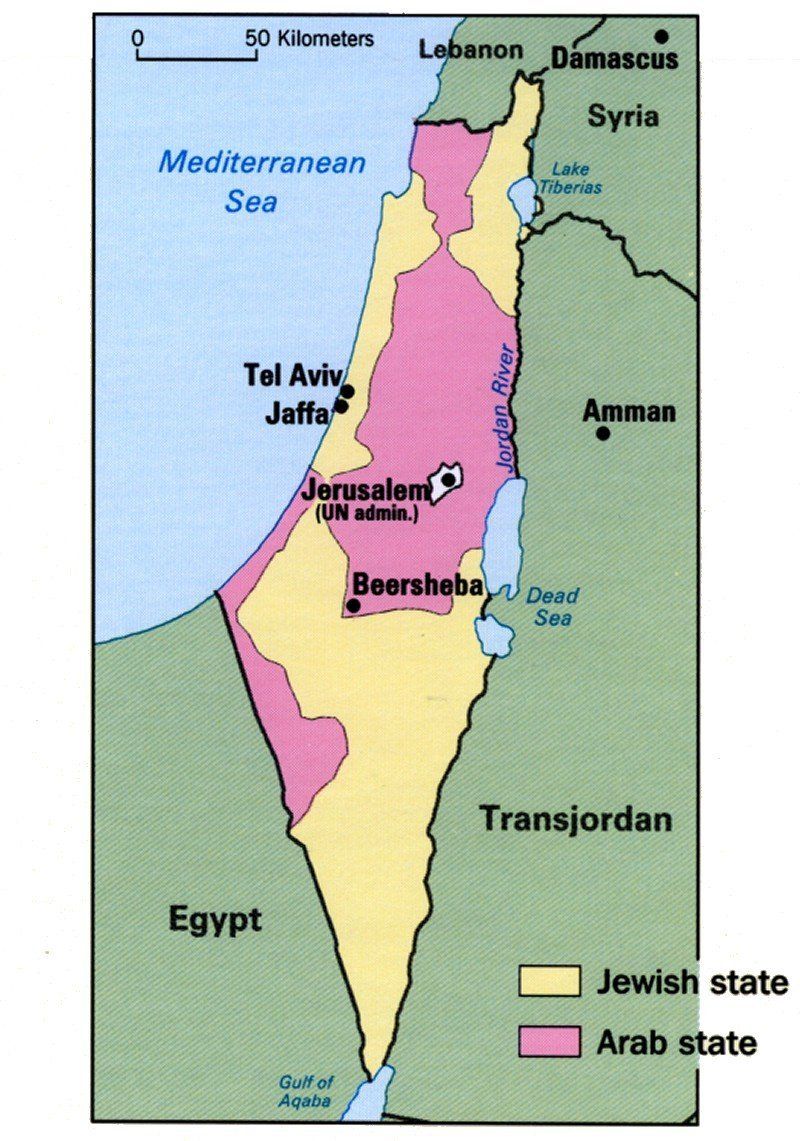
- United Nations Partition Plan for Palestine
- United Nations Palestine Commission
- United Nations Relief and Works Agency for Palestine Refugees in the Near East (UNRWA)
- United Nations resolutions concerning Palestine
- United Nations Special Committee on Palestine (UNSCOP)
- Committee on the Exercise of the Inalienable Rights of the Palestinian People
- United Nations Division for Palestinian Rights (UNDPR)
- International Day of Solidarity with the Palestinian People
- Palestinian right of return
- Palestine and the United Nations
International organization membership

Palestine is a member in a number of international organizations. In others, it enjoys affiliation in a lesser capacity or under another designation (such as PLO or Palestinian National Authority). In the list below, if the membership is not full or not for the state of Palestine, the type and name of affiliation is denoted in parentheses.
- Arab Fund for Economic and Social Development (AFESD)
- Arab League (AL)
- Arab Monetary Fund (AMF)
- Council of Arab Economic Unity (CAEU)
- FIFA (Asian Football Confederation (AFC)
- Group of 77 (G77)
- International Olympic Committee (IOC)
- International Trade Union Confederation (ITUC) (affiliate member)
- International Telecommunication Union (ITU) (non-voting observer status)
- International Organization for Standardization (ISO)
- International Paralympic Committee (IPC)
- International Federation of Red Cross and Red Crescent Societies (IFRC)
- International Committee of the Red Cross (ICRC)
- Islamic Development Bank (IDC)
- Organisation of Islamic Cooperation (OIC)
- Non-Aligned Movement (NAM)
- United Nations (UN) (observer)
- Asian Group of the United Nations
- United Nations Economic and Social Commission for Western Asia (UNESCWA)
- UNESCO
- UNIDO
- Universal Postal Union (UPU)
- World Health Organization (WHO) (observer status) (see also: Palestine's application to the WHO)
- World Intellectual Property Organization (WIPO)
- OPCW
- ICC
- Interpol
- UNCTAD
- UNICEF
- IPU
International aid to Palestine
- International aid to Palestinians
International solidarity movements
- Palestinian solidarity organizations
- Comités Palestine
- Melbourne Palestine Solidarity Network
- Palestine Solidarity Campaign
- Palestine Solidarity Movement
- Scottish Palestine Solidarity Campaign
Law and order in Palestine
Palestinian Law
- Palestinian National Charter
- Crime in Palestine
- Human rights in Palestine
- Freedom of religion in Palestine
- LGBT rights in Palestine
- Polygamy in Palestine
- Human rights organizations in Palestine
- Al Mezan Center for Human Rights
- Palestinian Centre for Human Rights
- Palestinian Human Rights Monitoring Group
- Human rights record of Israel in the Palestinian Territories
- International law and Israeli settlements
- Israeli targeted killings
- Law enforcement in Palestine
- Prostitution in Palestine
Military of Palestine
Military of the State of Palestine
- Command
- Commander-in-chief: N/A
- Ministry of Defense of Palestine: N/A
- Commander-in-chief: N/A
- Forces
- Army of the Palestine: N/A
- Navy of the Palestine: N/A
- Air Force of the Palestine: N/A
- Special forces of Palestine:
- Military history of Palestine
- Arab Liberation Army
- Army of the Holy War
- Military ranks of Palestine: N/A
Paramilitary forces of Palestine
Palestinian National Security Forces
- Preventive Security Force
Irregular Palestinian forces
- Al-Aqsa Martyrs' Brigades (armed wing affiliated with Fatah)
- al-Quds Brigades (armed wing of Palestinian Islamic Jihad)
- Izz ad-Din al-Qassam Brigades (armed wing of Hamas)
- Popular Front for the Liberation of Palestine - General Command (PFLP-GC) (armed wing of the PFLP)
- Popular Resistance Committees
- Palestinian domestic weapons production
- Qassam rocket
- al-Quds rocket
- Rocket and mortar attacks on southern Israel
- Yassin RPG
- Al-Bana RPG
- Batar RPG
International civilian organizations in Palestine
- European Union Border Assistance Mission Rafah
- European Union Police Mission for the Palestinian Territories
- Temporary International Presence in Hebron
History of Palestine


- Postage stamps and postal history of Palestine
- Military history of Palestine
- Sinai and Palestine Campaign (1915–1918)
- Battle of Megiddo (1918)
- 1920 Palestine riots
- Jaffa riots
- 1929 Palestine riots
- 1936–1939 Arab revolt in Palestine
- Bombing of Palestine in World War II
- 1948 Palestine war
- 1948 Palestinian expulsion and flight
- 1949–56 Palestinian exodus
- Kfar Qasim massacre
- 1967 War
- 1967 Palestinian exodus
- Battle of Karameh
- Black September in Jordan (1970)
- Lebanese Civil War
- 1982 Lebanon War
- Sabra and Shatila massacre
- Second Intifada (2000–05)
- Battle of Jenin (2002)
- Battle of Nablus (2002)
- Siege of the Church of the Nativity in Bethlehem (2002)
- Gaza–Israel conflict
- Political history of Palestine
- Partitioning of the Ottoman Empire
- History of the Israeli–Palestinian conflict
- British Mandate Palestine
- Arab Higher Committee
- All-Palestine Government
- Palestine Liberation Organization
- Israeli–Palestinian peace process
- Palestinian National Authority
- Road map for peace
Palestinian culture
Palestinian culture


- Archaeology in the State of Palestine
- Gaza Museum of Archaeology
- Architecture of Palestine
- Abd al-Hadi Palace
- Hisham's Palace
- Jacir Palace
- Khan al-Tujjar (Nablus)
- Khirbat al-Minya
- Manara Clock Tower
- Qasr al-Basha
- Palestinian costumes
- Palestinian cuisine
- Festivals of the State of Palestine
- Al-Quds Capital of Arab Culture
- Boston Palestine Film Festival
- Chicago Palestine Film Festival
- Feast of Saint George
- Khader Grape Festival
- Thursday of the Dead
- Palestine Festival of Literature
- Nabi Musa (pre-1948)
- Nabi Rubin (pre-1948)
- Al-Nabi Yusha' (pre-1948)
- Languages of Palestine
- Palestinian Arabic
- Communications in Palestine
- Print media of the State of Palestine
- Al-Ayyam
- Al-Hadaf
- Electronic Intifada
- Gaza Weekly Newspaper
- Al-Hayat al-Jadida
- Al-Hurriya
- International Middle East Media Center
- Al-Karmil
- Palestine News Network
- Palestine Times
- Al-Quds
- Al-Quds Al-Arabi
- Filistin Ashabab
- Sawt al-Jamahir
- Palestinian Broadcasting Corporation
- Radio in Palestine
- Near East Broadcasting Station
- RAM FM (West Bank)
- Voice of Palestine
- Television in the State of Palestine
- Al Aqsa TV
- Palestinian Satellite Channel
- Print media of the State of Palestine
- National symbols of Palestine
- Coat of arms of Palestine
- Palestinian Flag
- Keffiyeh
- National anthem of Palestine
- Palestinian nationalism
- Sumud
- Palestinians
- Internally displaced Palestinians
- Palestinian diaspora
- Palestinian prisoners in Israel
- Palestinian refugees
- Prominent Palestinians
- National holidays of the State of Palestine
- Land Day
- Nakba Day
- Naksa Day
- Records of Palestine
- Religion in Palestine
- Christianity in Palestine
- Eastern Orthodox
- Greek Orthodox Church
- Brotherhood of the Holy Sepulchre
- Greek Orthodox Patriarch of Jerusalem
- Arab Orthodox
- Church of the Nativity
- Church of Saint Porphyrius
- Monastery of Saint George, al-Khader
- Monastery of the Temptation
- Arab Orthodox
- Greek Orthodox Patriarch of Jerusalem
- Brotherhood of the Holy Sepulchre
- Greek Orthodox Church
- Oriental Orthodoxy
- Armenian Patriarch of Jerusalem
- Latin Rite
- Latin Patriarch of Jerusalem
- Church of Saint Lazarus
- Latin Patriarch of Jerusalem
- Eastern Catholic Churches
- Melkite Greek Catholic Church
- Anglican Communion
- Episcopal Church in Jerusalem and the Middle East
- Anglican-German Bishopric in Jerusalem
- Anglican Bishop of Jerusalem
- Anglican-German Bishopric in Jerusalem
- Episcopal Church in Jerusalem and the Middle East
- Protestantism
- Presbyterianism
- Sabeel
- Church of Scotland
- St Andrew's Church, Jerusalem
- Presbyterianism
- Church of the Holy Sepulcher
- Eastern Orthodox
- Islam in Palestine
- Ahmadiyya in Palestine
- Waqf
- Jerusalem Islamic Waqf
- Al-Aqsa
- Al-Aqsa Mosque
- Dome of the Rock
- Dome of the Chain
- Excavations at the Temple Mount
- Imaret
- Hasseki Sultan Imaret
- Al-Aqsa
- Moroccan Quarter
- Sabil Abu Nabbut
- List of mosques in Palestine
- Great Mosque of Gaza
- Great Mosque of Nablus
- Al-Hamadiyya Mosque
- Ibn Marwan Mosque
- Ibn Uthman Mosque
- Al-Khadra Mosque
- Mahmoudiya Mosque
- Mosque of Omar (Bethlehem)
- An-Nasr Mosque
- Sayed al-Hashim Mosque
- Sultan Ibrahim Ibn Adham Mosque
- Umm al-Naser Mosque
- Welayat Mosque
- Jerusalem Islamic Waqf
- Supreme Muslim Council
- Sites holy to Christians, Jews, and Muslims
- Cave of the Patriarchs (Al-Haram Al-Ibrahimi)
- Joseph's Tomb
- Jacob's Well (also holy to Samaritans)
- Rachel's Tomb (Bilal ibn Rabah)
- Tomb of Samuel (Nabi Samwil)
- Judaism in Palestine
- Palestinian synagogues
- Ancient Synagogue of Gaza
- Palestinian synagogues
- Samaritans in Palestine
- Ahmadiyya in Palestine
- Christianity in Palestine
Art in Palestine
- Palestinian art
- Museums in Palestine
- Badd Giacaman Museum
- Baituna al-Talhami Museum
- Museums in Palestine
- Cinema of the State of Palestine
- Cinema Jenin
- Palestinian handicrafts
- Palestinian literature
- Music of Palestine
- Ataaba
- The Edward Said National Conservatory of Music
- Palestinian hip hop
- Palestinian Theatre
- Al-Kasaba Theatre
- Palestinian National Theatre
Sports in Palestine
Sport in Palestine
- Football in the State of Palestine
- Palestine national football team
- Palestinian Football Federation
- Faisal Al-Husseini International Stadium
- Palestine Stadium
- Hammams (bathhouses)
- Hamam al-Sammara
- Palestine Olympic Committee
- Palestine at the Olympics
- Palestine at the Paralympics
- Palestinian Scout Association
- Girl Guides of Palestine
Economy and infrastructure of Palestine
- Economy of Palestine
- Economy of Gaza

- Economic rank, by nominal GDP (2007): 134th (one hundred and thirty fourth)
- Agriculture in Palestine
- Banking in Palestine
- Arab Bank
- National Bank of Palestine
- Communications in Palestine
- Internet in Palestine
- Telephone numbers in the State of Palestine
- List of companies of Palestine
- G.ho.st
- Palestinian Airlines (defunct)
- Paltel
- Taybeh Brewery
- National Trade Union of Palestine
- Fair Trade organizations in the State of Palestine
- Canaan Fair Trade
- Palestine Fair Trade Association
- Zaytoun
- Currency of Palestine: dinar/sheqel
- Energy in the State of Palestine
- Mining in the State of Palestine
- Public squares in Palestine
- Manger Square
- Palestine Square
- Soldier's Square
- Tourism in Palestine
- Alternative Tourism Group
- Transport in Palestine
- List of airports in Palestine
- Yasser Arafat International Airport (1998–2001)
- Rail transport in the State of Palestine
- Port of Gaza
- Roads in Palestine
- Highway 57
- Omar Mukhtar Street
- Star Street
- Wehda Street
- List of airports in Palestine
- Water supply and sanitation in Palestine
- Palestine Stock Exchange
Healthcare in Palestine
- Health care in Palestine
- Palestine Red Crescent Society
- Augusta Victoria Hospital
- Al-Shifa Hospital
Housing in Palestine
- Housing in Palestine
- House demolition in the Israeli–Palestinian conflict
- Palestinian refugee camps
Education in the Palestine


- Education in Palestine
- Education Ministry
- Universities and colleges of Palestine
- Student organizations in Palestine
- General Union of Palestinian Students
- Palestinian Youth Association for Leadership and Rights Activation
- Progressive Student Labor Front
- Students Liberation Bloc
- Student organizations supporting Palestine
- Palestinian cultural club
- Palestine Solidarity Movement
- Solidarity for Palestinian Human Rights
- Student organizations in Palestine
Books on Palestine
- Correcting a Mistake: Jews and Arabs in Palestine/Israel, 1936-1956
- The Ethnic Cleansing of Palestine
- Palestine (comics)
- Palestine Peace Not Apartheid
- Underground to Palestine
See also
- List of international rankings
- List of Palestine-related topics
- Years in Palestine
- 2023 Israel–Hamas war
- Outline of Asia
- Outline of geography
- Outline of Israel
References
- ↑ [1] "Note that the term Palestine has historically referred to the region which today incorporates Israel as well as the Palestinian territories. The current position was expressed by Mahmoud Abbas in his September 2011 speech to the United Nations: 'When we adopted this program, we were taking a painful and very difficult step for all of us, especially those, including myself, who were forced to leave their homes and their towns and villages, carrying only some of our belongings and our grief and our memories and the keys of our homes to the camps of exile and the Diaspora in the 1948 Al-Nakba, one of the worst operations of uprooting, destruction and removal of a vibrant and cohesive society that had been contributing in a pioneering and leading way in the cultural, educational and economic renaissance of the Arab Middle East. Yet, because we believe in peace and because of our conviction in international legitimacy, and because we had the courage to make difficult decisions for our people, and in the absence of absolute justice, we decided to adopt the path of relative justice – justice that is possible and could correct part of the grave historical injustice committed against our people. Thus, we agreed to establish the State of Palestine on only 22% of the territory of historical Palestine – on all the Palestinian Territory occupied by Israel in 1967.'"
- ↑ Martijn Schoonvelde (26 June 2009). "Palestinian Territories". http://www.europeanforum.net/country/palestinian_territories.
- ↑ Sela and Ma'oz, 1997, p. 16.
Bibliography
- Roberto Remo Bissio, ed (1995). The world: a Third World guide 1995-96 (Illustrated ed.). Instituto del Tercer Mundo. ISBN 9780855982911.
- Milton-Edwards, Beverley (2008), The Israeli-Palestinian Conflict: A People's War (Illustrated ed.), Taylor & Francis, ISBN 9780415410434
- Kogan Page (2004). Middle East Review (27th, illustrated ed.). Kogan Page Publishers. ISBN 9780749440664. https://books.google.com/books?id=NYszJtC66FAC&q=%22official+name%22+palestine&pg=PA161.
- Said, Edward W.; Hitchens, Christopher (2001), Blaming the victims: spurious scholarship and the Palestinian question (2nd, illustrated ed.), Verso, ISBN 9781859843406
- Sela, Avraham; Ma'oz, Moshe (1997), The PLO and Israel: from armed conflict to political solution, 1964-1994 (Illustrated ed.), Palgrave Macmillan, ISBN 9780312129064, https://books.google.com/books?id=0OisRvSZIiAC&q=%22PLO%22+%22parliament-in-exile%22&pg=PA16
External links
- The Hope Simpson Report (London, 1930) [5]
- Palestine Royal Commission Report (the Peel Report) (London, 1937) [6]
- Report to the Council of the League of Nations (1928) [7]
- Report to the Council of the League of Nations (1929) [8]
- Report to the Council of the League of Nations (1934) [9]
- Report to the Council of the League of Nations (1935) [10]
- www.mideastweb.org - A website with a wealth of statistics regarding population in Palestine
- Coins and Banknotes of Palestine under the British Mandate
- WorldStatesmen- Maps, flags, chronology, see Israel and Palestinian National Authority
- hWeb - Israel-Palestine in Maps
- Palestine Fact Sheet from the Common Language Project
- Liberal Democrat Friends of Palestine
- History of the Palestine Problem, UN website
- Maps
- Sykes-Picot Agreement, 1916
- 1947 UN Partition Plan
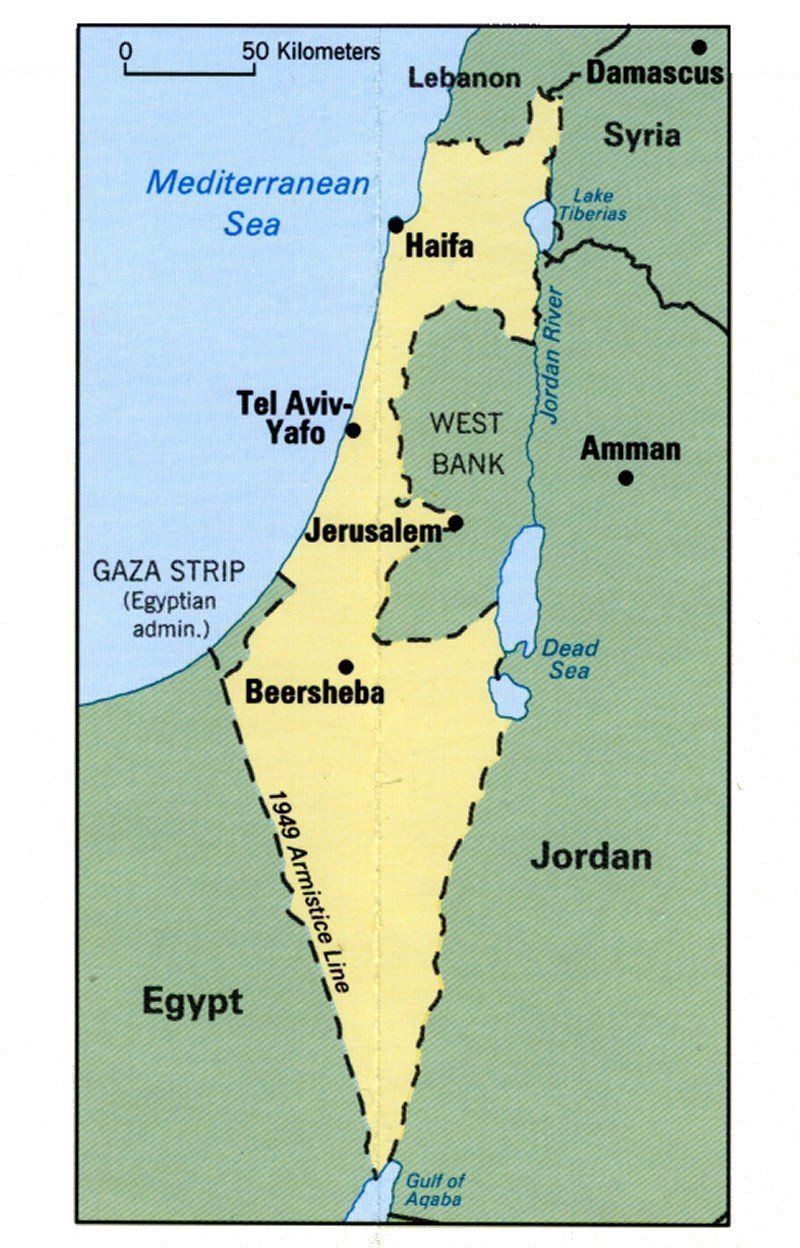
- 1949 Armistice Lines
- Israel After 1949 Armistice Agreements
- Liberal Democrat Friends of Palestine


 |
 EncycloReader
is supported by the
EncycloReader
is supported by the  KSF
KSF