Categories
Southern Democrats
 From Wikipedia - Reading time: 36 min
Southern Democrats are members of the U.S. Democratic Party who reside in the Southern United States.[1]
| This article is part of a series on |
| Conservatism in the United States |
|---|
 |
|


Before the American Civil War, Southern Democrats mostly believed in Jacksonian democracy. In the 19th century, they defended slavery in the United States and promoted its expansion into the Western United States against the Free Soil opposition in the Northern United States. The United States presidential election of 1860 formalized the split in the Democratic Party and brought about the American Civil War.[2] After the Reconstruction Era ended in the late 1870s, so-called redeemers were Southern Democrats who controlled all the southern states and disenfranchised African-Americans.
The monopoly that the Democratic Party held over most of the South showed signs of breaking apart in 1948, when many white Southern Democrats—upset by the policies of desegregation enacted during the administration of Democratic President Harry Truman—created the States Rights Democratic Party. This new party, commonly referred to as the "Dixiecrats", nominated South Carolina Governor Strom Thurmond for president. The new party collapsed after Truman unexpectedly won the 1948 United States presidential election.
Despite being a Southern Democrat himself, President Lyndon B. Johnson signed the Civil Rights Act of 1964 and the Voting Rights Act of 1965.[3] These actions led to heavy opposition from Southern Democrats.[4][5] Many scholars have stated that southern whites shifted to the Republican Party after a civil rights culture change and due to social conservatism.[6][7][8]
Republicans first dominated presidential elections in the South, then won a majority of Southern gubernatorial and congressional elections after the 1994 Republican Revolution.[9][10] By the 21st century, and especially after the 2010 midterm elections, the Republican Party had gained a solid advantage over the Democratic Party in most southern states.[11]
Southern Democrats of the 21st century, such as Jon Ossoff and Raphael Warnock, are considerably more progressive than their predecessors.[12][13] No Democrat has been elected president without winning at least 2 of the 11 former Confederate states, including winning at least one of Georgia or Florida.
History
[edit]1828–1861
[edit]The title of "Democrat" has its beginnings in the South, going back to the founding of the Democratic-Republican Party in 1793 by Thomas Jefferson and James Madison. It held to small government principles and distrusted the national government. Foreign policy was a major issue. After being the dominant party in U.S. politics from 1801 to 1829, the Democratic-Republicans split into two factions by 1828: the federalist National Republicans (who became the Whigs), and the Democrats. The Democrats and Whigs were evenly balanced in the 1830s and 1840s. However, by the 1850s, the Whigs disintegrated. Other opposition parties emerged but the Democrats were dominant. Northern Democrats were in serious opposition to Southern Democrats on the issue of slavery; Northern Democrats, led by Stephen Douglas, believed in Popular Sovereignty—letting the people of the territories vote on slavery. The Southern Democrats, reflecting the views of the late John C. Calhoun, insisted slavery was national.
The Democrats controlled the national government from 1853 until 1861, and presidents Pierce and Buchanan were friendly to Southern interests. In the North, the newly formed anti-slavery Republican Party came to power and dominated the electoral college. In the 1860 presidential election, the Republicans nominated Abraham Lincoln, but the divide among Democrats led to the nomination of two candidates: John C. Breckinridge of Kentucky represented Southern Democrats, and Stephen A. Douglas of Illinois represented Northern Democrats. Nevertheless, the Republicans had a majority of the electoral vote regardless of how the opposition split or joined and Abraham Lincoln was elected.
1861–1933
[edit]
After the election of Abraham Lincoln, Southern Democrats led the charge to secede from the Union and establish the Confederate States. The United States Congress was dominated by Republicans; a notable exception was Democrat Andrew Johnson of Tennessee, the only senator from a state in rebellion to reject secession. The Border States or Border South of Kentucky, Maryland, and Missouri of the Upper South were torn by political turmoil. Kentucky and Missouri were both governed by pro-secessionist Southern Democratic Governors who vehemently rejected Lincoln's call for 75,000 troops. Kentucky and Missouri both held secession conventions, but neither officially declared secession, leading to split Unionist and Confederate state governments in both states. Southern Democrats in Maryland faced a Unionist Governor Thomas Holliday Hicks and the Union army. Armed with the suspension of habeas corpus and Union troops, Governor Hicks was able to stop Maryland's secession movement. Maryland was the only state south of the Mason–Dixon line whose governor affirmed Lincoln's call for 75,000 troops.
After secession, the Democratic vote in the North split between the War Democrats and the Peace Democrats or "Copperheads". The War Democrats voted for Lincoln in the 1864 election, and Lincoln had a War Democrat — Andrew Johnson — on his ticket. In the South, during Reconstruction the White Republican element, called "Scalawags" became smaller and smaller as more and more joined the Democrats. In the North, most War Democrats returned to the Democrats, and when the "Panic of 1873" hit, the Republican Party was blamed and the Democrats gained control of the House of Representatives in 1875. The Democrats emphasized that since Jefferson and Jackson they had been the party of states rights, which added to their appeal in the White South.
At the beginning of the 20th century, the Democrats, led by the dominant Southern wing, had a strong representation in Congress. They won both houses in 1912 and elected Woodrow Wilson, a New Jersey academic with deep Southern roots and a strong base among the Southern middle class. The Republican Party regained Congress in 1919. Southern Democrats held powerful positions in Congress during the Wilson Administration, with one study noting “Though comprising only about half of the Democratic senators and slightly over two-fifths of the Democratic representatives, the southerners made up a large majority of the party’s senior members in the two houses. They exerted great weight in the two Democratic caucuses and headed almost all of the important congressional committees.”[14]
From 1896 to 1912 and 1921 to 1931, the Democrats were relegated to second place status in national politics and didn't control a single branch of the federal government despite universal dominance in most of the "Solid South." In 1928 several Southern states dallied with voting Republican in supporting Herbert Hoover over the Roman Catholic Al Smith, but the behavior was short lived as the Stock Market Crash of 1929 returned Republicans to disfavor throughout the South. Nationally, Republicans lost Congress in January 1931 and the White House in March 1933 by huge margins. By this time, too, the Democratic Party leadership began to change its tone somewhat on racial politics. With the Great Depression gripping the nation, and with the lives of most Americans disrupted, the assisting of African-Americans in American society was seen as necessary by the new government.
1933–1981
[edit]During the 1930s, as the New Deal began to move Democrats as a whole to the left in economic policy, Southern Democrats were mostly supportive, although by the late 1930s there was a growing conservative faction. Both factions supported Roosevelt's foreign policies. By 1948 the protection of segregation led Democrats in the Deep South to reject Truman and run a third party ticket of Dixiecrats in the 1948 United States presidential election. After 1964, Southern Democrats lost major battles during the Civil Rights Movement. Federal laws ended segregation and restrictions on black voters.
During the Civil Rights Movement, Democrats in the South initially still voted loyally with their party. After the signing of the Civil Rights Act of 1964, the old argument that all Whites had to stick together to prevent civil rights legislation lost its force because the legislation had now been passed. More and more Whites began to vote Republican, especially in the suburbs and growing cities. Newcomers from the North were mostly Republican; they were now joined by conservatives and wealthy Southern Whites, while liberal Whites and poor Whites, especially in rural areas, remained with the Democratic Party.[15]
The New Deal program of Franklin Delano Roosevelt (FDR) generally united the party factions for over three decades, since Southerners, like Northern urban populations, were hit particularly hard and generally benefited from the massive governmental relief program. FDR was adept at holding White Southerners in the coalition[16] while simultaneously beginning the erosion of Black voters away from their then-characteristic Republican preferences. The Civil Rights Movement of the 1960s catalyzed the end of this Democratic Party coalition of interests by magnetizing Black voters to the Democratic label and simultaneously ending White supremacist control of the Democratic Party apparatus.[17] A series of court decisions, rendering primary elections as public instead of private events administered by the parties, essentially freed the Southern region to change more toward the two-party behavior of most of the rest of the nation.
In the presidential elections of 1952 and 1956 Republican nominee Dwight D. Eisenhower, a popular World War II general, won several Southern states, thus breaking some White Southerners away from their Democratic Party pattern. The senior position of Southern Congressmen and Senators, and the discipline of many groups such as the Southern Caucus[18] meant that Civil Rights initiatives tended to be blunted despite popular support.
The passage of the Civil Rights Act of 1964 was a significant event in converting the Deep South to the Republican Party; in that year most Senatorial Republicans supported the Act (most of the opposition came from Southern Democrats). Democratic preference. After the passage of this Act, however, their willingness to support Republicans on a national level increased demonstrably. In 1964, Republican presidential nominee Goldwater, who had voted against the Civil Rights Act,[19] won many of the "Solid South" states over Democratic presidential nominee Lyndon B. Johnson, himself a Texan, and with many this Republican support continued and seeped down the ballot to congressional, state, and ultimately local levels. A further significant item of legislation was the Voting Rights Act of 1965, which targeted for preclearance by the U.S. Department of Justice any election-law change in areas where African-American voting participation was lower than the norm (most but not all of these areas were in the South); the effect of the Voting Rights Act on southern elections was profound, including the by-product that some White Southerners perceived it as meddling while Black voters universally appreciated it. Nixon aide Kevin Phillips told The New York Times in 1970 that "Negrophobe" Whites would quit the Democrats if Republicans enforced the Voting Rights Act and blacks registered as Democrats.[20] The trend toward acceptance of Republican identification among Southern White voters was bolstered in the next two elections by Richard Nixon.
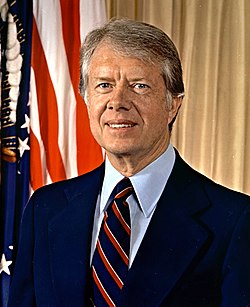
Denouncing the forced busing policy that was used to enforce school desegregation,[21] Richard Nixon courted populist conservative Southern Whites with what is called the Southern Strategy, though his speechwriter Jeffrey Hart claimed that his campaign rhetoric was actually a "Border State Strategy" and accused the press of being "very lazy" when they called it a "Southern Strategy".[22] In the 1971 Swann v. Charlotte-Mecklenburg Board of Education ruling, the power of the federal government to enforce forced busing was strengthened when the Supreme Court ruled that the federal courts had the discretion to include busing as a desegregation tool to achieve racial balance. Some southern Democrats became Republicans at the national level, while remaining with their old party in state and local politics throughout the 1970s and 1980s. Several prominent conservative Democrats switched parties to become Republicans, including Strom Thurmond, John Connally and Mills E. Godwin Jr.[23] In the 1974 Milliken v. Bradley decision, however, the ability to use forced busing as a political tactic was greatly diminished when the U.S. Supreme Court placed an important limitation on Swann and ruled that students could only be bused across district lines if evidence of de jure segregation across multiple school districts existed.
In 1976, former Georgia governor Jimmy Carter won every Southern state except Oklahoma and Virginia in his successful presidential campaign as a Democrat, being the last Democratic presidential candidate to win a majority of the states in the South as of 2024. In 1980 Republican presidential nominee Ronald Reagan won every southern state except for Georgia, although Alabama, Mississippi, South Carolina, Arkansas, North Carolina and Tennessee were all decided by less than 3%.
1981–2008
[edit]In 1980, Republican presidential nominee Ronald Reagan announced that he supported "states' rights."[24] Lee Atwater, who served as Reagan's chief strategist in the Southern states, claimed that by 1968, a vast majority of southern Whites had learned to accept that racial slurs like "nigger" were offensive and that mentioning "states rights" and reasons for its justification, along with fiscal conservatism and opposition to social programs understood by many White southerners to disproportionally benefit Black Americans, had now become the best way to appeal to southern White voters.[25] Following Reagan's success at the national level, the Republican Party moved sharply to the New Right, with the shrinkage of the "Eastern Establishment" Rockefeller Republican element that had emphasized their support for civil rights.[26]
Economic and cultural conservatism (especially regarding abortion and LGBT rights) became more important in the South, with its large religious right element, such as Southern Baptists in the Bible Belt.[27] The South gradually became fertile ground for the Republican Party. Following the Voting Rights Act of 1965, the large Black vote in the South held steady but overwhelmingly favored the Democratic Party. Even as the Democratic party came to increasingly depend on the support of African-American voters in the South, well-established White Democratic incumbents still held sway in most Southern states for decades. Starting in 1964, although the Southern states split their support between parties in most presidential elections, conservative Democrats controlled nearly every Southern state legislature until the mid-1990s. On the eve of the Republican Revolution in 1994, Democrats still held a 2:1 advantage over the Republicans in southern congressional seats. Only in 2011 did the Republicans capture a majority of Southern state legislatures, and have continued to hold power over Southern politics for the most part since.
Many of the Representatives, Senators, and voters who were referred to as Reagan Democrats in the 1980s were conservative Southern Democrats. They often had more conservative views than other Democrats.[28][29] But there were notable remnants of the Solid South into the early 21st century.
- One example was Arkansas, whose state legislature continued to be majority Democrat (having, however, given its electoral votes to the Republicans in the past three presidential elections, except in 1992 and 1996 when "favorite son" Bill Clinton was the candidate and won each time) until 2012, when Arkansas voters selected a 21–14 Republican majority in the Arkansas Senate.
- Another example was North Carolina. Although the state has voted for Republicans in every presidential election since 1980 except for 2008, the State legislature was in Democratic control until 2010. The North Carolina congressional delegation was heavily Democratic until January 2013 when the Republicans could, after the 2010 United States census, adopt a redistricting plan of their choosing.
In 1992, Arkansas Governor Bill Clinton was elected president. Unlike Carter, however, Clinton was only able to win the southern states of Arkansas, Louisiana, Kentucky, Tennessee and Georgia. While running for president, Clinton promised to "end welfare as we have come to know it" while in office.[30] In 1996, Clinton would fulfill his campaign promise and the longtime Republican goal of major welfare reform came into fruition. After two welfare reform bills sponsored by the Republican-controlled Congress were successfully vetoed by the President,[31] a compromise was eventually reached and the Personal Responsibility and Work Opportunity Act was signed into law on August 22, 1996.[30]
During the Clinton administration, the southern strategy shifted towards the so-called "culture war," which saw major political battles between the Religious Right and the secular Left. Chapman notes a split vote among many conservative Southern Democrats in the 1970s and 1980s who supported local and statewide conservative Democrats while simultaneously voting for Republican presidential candidates.[32] This tendency of many Southern Whites to vote for the Republican presidential candidate but Democrats from other offices lasted until the 2010 midterm elections. In the November 2008 elections, Democrats won 3 out of 4 U.S. House seats from Mississippi, 3 out of 4 in Arkansas, 5 out of 9 in Tennessee, and achieved near parity in the Georgia and Alabama delegations.
Republicans first dominated presidential elections in the South, then won a majority of Southern gubernatorial and congressional elections after the 1994 Republican Revolution, and finally came to control a majority of Southern state legislatures by the 2010s.[11]
2009–present
[edit]In 2009, Southern Democrats controlled both branches of the Alabama General Assembly, the Arkansas General Assembly, the Delaware General Assembly, the Louisiana State Legislature, the Maryland General Assembly, the Mississippi Legislature, the North Carolina General Assembly, and the West Virginia Legislature, along with the Council of the District of Columbia, the Kentucky House of Representatives, and the Virginia Senate.[33] Democrats lost control of the North Carolina and Alabama legislatures in 2010, the Louisiana and Mississippi legislatures in 2011 and the Arkansas legislature in 2012. Additionally, in 2014, Democrats lost four U.S. Senate seats in the South (in West Virginia, North Carolina, Arkansas, and Louisiana) that they had previously held. By 2017, Southern Democrats only controlled both branches of the Delaware General Assembly and the Maryland General Assembly, along with the Council of the District of Columbia; they had lost control of both houses of the state legislatures in Alabama, Arkansas, Kentucky, Louisiana, Mississippi, North Carolina, and West Virginia.[34]
Nearly all White Democratic representatives in the South lost reelection in the 2010 midterm elections. That year, Democrats won only one U.S. House seat each in Alabama, Mississippi, Louisiana, South Carolina, and Arkansas, and two out of nine House seats in Tennessee, and they lost their one Arkansas seat in 2012. Following the November 2010 elections, John Barrow of Georgia was left as the only White Democratic U.S. House member in the Deep South, and he lost reelection in 2014. There would no more White Democrats from the Deep South until Joe Cunningham was elected from a South Carolina U.S. House district in 2018, and he lost re-election in 2020.
However, even since January 2015, Democrats have not been completely shut out of power in the South. Democrat John Bel Edwards was elected governor of Louisiana in 2015 and won re-election in 2019, running as an anti-abortion, pro-gun conservative Democrat. In a 2017 special election, moderate Democrat Doug Jones was elected a U.S. Senator from Alabama, though he lost re-election in 2020. Democrat Roy Cooper was elected governor of North Carolina in 2016, won re-election in 2020, and Democrat Josh Stein won in 2024. Andy Beshear was elected governor of Kentucky in 2019 and won re-election in 2023. As of February 2025, Democrats control the governorships of Kentucky, North Carolina, Maryland, and Delaware and the state legislatures of Maryland, Delaware, and Virginia. Joe Manchin would be the last Democrat to win statewide in West Virginia in 2018, later switching to Independent status, before declining to run for re-election in 2024.
Since 2017, most U.S. House or state legislative seats held by Democrats in the South are majority-minority or urban districts. Due to growing urbanization and changing demographics in many Southern states, more liberal Democrats have found success in the South. In the 2018 elections, Democrats nearly succeeded in taking governor's seats in Georgia and Florida and gained 12 national House seats in the South;[35] the trend continued in the 2019 elections, where Democrats took both houses of the Virginia General Assembly, and in 2020 where Joe Biden narrowly won Georgia with Republicans winning down ballot, along with Raphael Warnock and Jon Ossoff narrowly winning both U.S. Senate seats in that state just two months later. However, Democrats would lose the governor races in Florida and Georgia in 2022 by wider margins than in 2018, though Senator Warnock won re-election in Georgia.
Virginia is a notable exception to Republican dominance in the former 11 Confederate states, due to Northern Virginia being part of the Washington metropolitan area, with both major parties continuing to be competitive in the State in the 21st century. Dr. Ralph Northam, a Democrat and the governor of Virginia (2018–22), admitted that he voted for George W. Bush in the 2000 and 2004 presidential elections.[36] Despite this admission, Northam, a former state Senator who has served as Lieutenant Governor of Virginia from 2014 to 2018, easily defeated the more progressive and cosmopolitan candidate, former Representative Tom Perriello, by 55.9 percent to 44.1 percent to win the Democratic gubernatorial nomination in 2017.[37] Both of Virginia's U.S. Senators are Democrats, while the incumbent governor Glenn Youngkin is a Republican.
As of the 2020s, Southern Democrats who consistently vote for the Democratic ticket are mostly urban liberals or African Americans, while most White Southerners of both genders tend to vote for the Republican ticket, although there are sizable numbers of swing voters who sometimes split their tickets or cross party lines.[9]
Election results
[edit]| Won by Biden/Harris |
| States / Commonwealth / Federal district |
United States presidential election | Electoral college |
Democratic | ||
|---|---|---|---|---|---|
| # | % | Change | |||
| Alabama | United States presidential election in Alabama | 9 | 849,624 | 36.57% |  0 0
|
| Arkansas | United States presidential election in Arkansas | 6 | 423,932 | 34.78% | 0
|
| Delaware | United States presidential election in Delaware | 3 | 296,268 | 58.74% | 0
|
| District of Columbia | United States presidential election in the District of Columbia | 3 | 317,323 | 92.15% | 0
|
| Florida | United States presidential election in Florida | 29 | 5,297,045 | 47.86% | 0
|
| Georgia | United States presidential election in Georgia | 16 | 2,473,633 | 49.47% |  1 1
|
| Kentucky | United States presidential election in Kentucky | 8 | 772,474 | 36.15% | 0
|
| Louisiana | United States presidential election in Louisiana | 8 | 856,034 | 39.85% | 0
|
| Maryland | United States presidential election in Maryland | 10 | 1,985,023 | 65.36% | 0
|
| Mississippi | United States presidential election in Mississippi | 6 | 539,398 | 41.06% | 0
|
| North Carolina | United States presidential election in North Carolina | 15 | 2,684,292 | 48.59% | 0
|
| Oklahoma | United States presidential election in Oklahoma | 7 | 503,890 | 32.29% | 0
|
| South Carolina | United States presidential election in South Carolina | 9 | 1,091,541 | 43.43% | 0
|
| Tennessee | United States presidential election in Tennessee | 11 | 1,143,711 | 37.45% | 0
|
| Texas | United States presidential election in Texas | 38 | 5,259,126 | 46.48% | 0
|
| Virginia | United States presidential election in Virginia | 13 | 2,413,568 | 54.11% | 0
|
| West Virginia | United States presidential election in West Virginia | 5 | 235,984 | 29.69% | 0
|
| States / Commonwealth / Federal district |
United States Congress | Total seats |
Democratic | |
|---|---|---|---|---|
| Seats | Change | |||
| Alabama | United States House of Representatives in Alabama | 7 | 1 | 0
|
| United States Senate in Alabama | 1 | 0 |  1 1
| |
| Arkansas | United States House of Representatives in Arkansas | 4 | 0 | 0
|
| United States Senate in Arkansas | 1 | 0 | 0
| |
| Delaware | United States House of Representatives in Delaware | 1 | 1 | 0
|
| United States Senate in Delaware | 1 | 1 | 0
| |
| District of Columbia | United States House Delegate for the District of Columbia | 1 | 1 | 0
|
| Florida | United States House of Representatives in Florida | 27 | 11 | 2
|
| Georgia | United States House of Representatives in Georgia | 14 | 6 | 1
|
| United States Senate in Georgia | 2 | 2 | 2
| |
| Kentucky | United States House of Representatives in Kentucky | 6 | 1 | 0
|
| United States Senate in Kentucky | 1 | 0 | 0
| |
| Louisiana | United States House of Representatives in Louisiana | 6 | 1 | 0
|
| United States Senate in Louisiana | 1 | 0 | 0
| |
| Maryland | United States House of Representatives in Maryland | 8 | 7 | 0
|
| Mississippi | United States House of Representatives in Mississippi | 4 | 1 | 0
|
| United States Senate in Mississippi | 1 | 0 | 0
| |
| North Carolina | United States House of Representatives in North Carolina | 13 | 5 | 2
|
| United States Senate in North Carolina | 1 | 0 | 0
| |
| Oklahoma | United States House of Representatives in Oklahoma | 5 | 0 | 1
|
| United States Senate in Oklahoma | 1 | 0 | 0
| |
| South Carolina | United States House of Representatives in South Carolina | 7 | 1 | 1
|
| United States Senate in South Carolina | 1 | 0 | 0
| |
| Tennessee | United States House of Representatives in Tennessee | 9 | 2 | 0
|
| United States Senate in Tennessee | 1 | 0 | 0
| |
| Texas | United States House of Representatives in Texas | 36 | 13 | 0
|
| United States Senate in Texas | 1 | 0 | 0
| |
| Virginia | United States House of Representatives in Virginia | 11 | 7 | 0
|
| United States Senate in Virginia | 1 | 1 | 0
| |
| West Virginia | United States House of Representatives in West Virginia | 3 | 0 | 0
|
| United States Senate in West Virginia | 1 | 0 | 0
| |
| States / Commonwealth / Federal district |
Governors | Seat | Democratic |
|---|---|---|---|
| Change | |||
| Alabama | Governor of Alabama | 0 | 0
|
| Arkansas | Governor of Arkansas | 0 | 0
|
| Florida | Governor of Florida | 0 | 0
|
| Georgia | Governor of Georgia | 0 | 0
|
| Maryland | Governor of Maryland | 1 | 1
|
| Oklahoma | Governor of Oklahoma | 0 | 0
|
| South Carolina | Governor of South Carolina | 0 | 0
|
| Tennessee | Governor of Tennessee | 0 | 0
|
| Texas | Governor of Texas | 0 | 0
|
| States / Commonwealth / Federal district |
Legislatures | Total seats |
Democratic | |
|---|---|---|---|---|
| Seats | Change | |||
| Alabama | Alabama House of Representatives | 105 | 28 | 4
|
| Alabama Senate | 37 | 8 | 0
| |
| Arkansas | Arkansas House of Representatives | 100 | 23 | 1
|
| Arkansas Senate | 18 | 7 | 2
| |
| Delaware | Delaware House of Representatives | 41 | 26 |
|
| Delaware Senate | 10 | 8 | 2
| |
| District of Columbia | Council of the District of Columbia | 13 | 11 | 0
|
| Florida | Florida House of Representatives | 120 | 42 | 4
|
| Florida Senate | 20 | 9 | 1
| |
| Georgia | Georgia House of Representatives | 180 | 77 | 2
|
| Georgia Senate | 56 | 22 | 1
| |
| Kentucky | Kentucky House of Representatives | 100 | 25 | 14
|
| Kentucky Senate | 19 | 5 | 2
| |
| Louisiana | Louisiana House of Representatives | 105 | 35 | 4
|
| Louisiana Senate | 39 | 12 | 2
| |
| Maryland | Maryland House of Delegates | 141 | 99 | 7
|
| Maryland Senate | 47 | 32 | 1
| |
| Mississippi | Mississippi House of Representatives | 122 | 46 | 2
|
| Mississippi State Senate | 52 | 16 | 3
| |
| North Carolina | North Carolina House of Representatives | 120 | 51 | 4
|
| North Carolina Senate | 50 | 22 | 1
| |
| Oklahoma | Oklahoma House of Representatives | 101 | 19 | 5
|
| Oklahoma Senate | 24 | 2 | 0
| |
| South Carolina | South Carolina House of Representatives | 123 | 42 | 1
|
| South Carolina Senate | 46 | 16 | 3
| |
| Tennessee | Tennessee House of Representatives | 99 | 26 |
|
| Tennessee Senate | 16 | 2 | 1
| |
| Texas | Texas House of Representatives | 150 | 67 | 0
|
| Texas Senate | 16 | 8 | 1
| |
| Virginia | Virginia House of Delegates | 100 | 48 | 5
|
| Virginia Senate | 40 | 21 | 2
| |
| West Virginia | West Virginia House of Delegates | 100 | 24 | 17
|
| West Virginia Senate | 34 | 11 | 3
| |
| Cities | Mayors | Seat | Democratic |
|---|---|---|---|
| Change | |||
| Austin, Texas | Mayor of Austin | 1 | 0
|
| Chesapeake, Virginia | Mayor of Chesapeake | 0 | 0
|
| Corpus Christi, Texas | Mayor of Corpus Christi | 0 | 0
|
| District of Columbia | Mayor of the District of Columbia | 1 | 0
|
| Lexington, Kentucky | Mayor of Lexington | 0 | 1
|
| Louisville, Kentucky | Mayor of Louisville | 1 | 0
|
| Lubbock, Texas | Mayor of Lubbock | 0 | 0
|
| Nashville, Tennessee | Mayor of Nashville | 1 | 0
|
| Oklahoma City, Oklahoma | Mayor of Oklahoma City | 0 | 0
|
| Virginia Beach, Virginia | Mayor of Virginia Beach | 0 | 0
|
Noted Southern Democrats
[edit]Individuals are organized in sections by chronological (century they died or are still alive) order and then alphabetical order (last name then first name) within sections. Current or former U.S. Presidents or Vice presidents have their own section that begins first, but not former Confederate States Presidents or Vice presidents. Also, incumbent federal or statewide officeholders begin second.
Southern Democratic U.S. Presidents and Vice Presidents
[edit]- Andrew Jackson, 7th President of the United States, U.S. Senator from Tennessee
- Alben Barkley, Representative, U.S. Senator from Kentucky and U.S. Vice President[38]
- John C. Breckinridge, 14th Vice President of the United States, 5th Confederate States Secretary of War, U.S. Senator from Kentucky
- Joseph R. Biden Jr., 46th President of the United States (2021–2025), 47th Vice President of the United States, U.S. Senator from Delaware
- John C. Calhoun, 7th Vice President of the United States, U.S. Senator from South Carolina
- John Tyler, 10th President of the United States, 10th Vice President of the United States, U.S. Senator from Virginia
- James K. Polk, 11th President of the United States, 9th Governor of Tennessee
- Jimmy Carter, Governor of Georgia and President of the United States (1977–1981)[39]
- Bill Clinton, Governor of Arkansas and President of the United States (1993–2001)[40][41]
- John Nance Garner, 32nd Vice President of the United States (1933–1941) and U.S. Representative from Texas
- Al Gore, Representative and U.S. Senator from Tennessee, Vice President of the United States (1993–2001) and 2000 Democratic nominee for President[42][43]
- Lyndon B. Johnson, U.S. Representative and senator from Texas, Vice President of the United States (1961–1963), and President of the United States (1963–1969)[44]
- Andrew Johnson, 17th President of the United States, 16th Vice President of the United States, U.S. Senator from Tennessee
Incumbent Southern Democratic elected officeholders
[edit]- Andy Beshear, incumbent governor of Kentucky[45]
- Jim Clyburn, current member of the U.S. House of Representatives from South Carolina's 6th district and former House Majority Whip[46]
- Josh Stein, Governor of North Carolina (2025–present)
- Tim Kaine, Governor of Virginia, Chairman of the DNC, incumbent U.S. Senator from Virginia, also the 2016 Democratic Vice Presidential nominee[47][48][49]
- Jon Ossoff, current U.S. Senator from Georgia[50]
- Bennie Thompson, current member of the U.S. House of Representatives from Mississippi's 2nd district
- Raphael Warnock, current U.S. Senator from Georgia[51]
19th-century Southern Democrats
[edit]- Andrew Jackson, 7th President of the United States, U.S. Senator from Tennessee
- Andrew Johnson, 17th President of the United States, 16th Vice President of the United States, U.S. Senator from Tennessee
- Alexander H. Stephens, Vice President of the Confederate States, 50th Governor of Georgia
- James K. Polk, 11th President of the United States, 9th Governor of Tennessee
- Jefferson Davis, President of the Confederate States,[52] U.S. Senator from Mississippi
- John C. Breckinridge, 14th Vice President of the United States, 5th Confederate States Secretary of War, U.S. Senator from Kentucky
- John C. Calhoun, 7th Vice President of the United States, U.S. Senator from South Carolina
- John Tyler, 10th President of the United States, 10th Vice President of the United States, U.S. Senator from Virginia
- Judah P. Benjamin, 3rd Confederate States Secretary of State, 2nd Confederate States Secretary of War, 1st Confederate States Attorney General, U.S. Senator from Louisiana
20th-century Southern Democrats
[edit]- Ross Barnett, governor of Mississippi[53]
- James F. Byrnes, U.S. Secretary of State, Associate Justice of the U.S. Supreme Court, Representative, U.S. Senator, Governor of South Carolina[54][55]
- A.B. "Happy" Chandler, governor and senator from Kentucky[56][57]
- Lawton Chiles, U.S. Senator from Florida and Governor of Florida[58][59]
- James O. Eastland, U.S. Senator from Mississippi[60]
- Sam Ervin, U.S. Senator from North Carolina from 1954 to 1974[61]
- J. William Fulbright, Representative from Arkansas, U.S. Senator from Arkansas and longest-served chairman of the Senate Foreign Relations Committee[62][63]
- Howell Heflin, senator from Alabama[64]
- Spessard Holland, U.S. Senator from Florida and Governor of Florida[65][66]
- Olin D. Johnston, U.S. Senator from South Carolina and Governor of South Carolina[67][68]
- Estes Kefauver, Representative, U.S. Senator from Tennessee and 1956 Democratic vice presidential nominee[69]
- Earl Long, three-term Louisiana governor[70]
- Huey P. Long, Louisiana governor and U.S. Senator[71][72]
- John McClellan, Representative and U.S. Senator from Arkansas[73]
- Lawrence Patton McDonald, Former Representative from Georgia[74]
- Sam Rayburn, Congressman from Texas and longest-served Speaker of the U.S. House of Representatives-longest served in the House's history[75][76]
- Ann Richards, second female governor of Texas [77]
- Terry Sanford, U.S. Senator and governor from North Carolina[78][79]
- John Stennis, U.S. Senator from Mississippi[80]
- Benjamin Tillman, governor and senator of South Carolina[81]
- George C. Wallace, governor of Alabama, American Independent Party candidate for president in 1968, ran for the Democratic presidential nomination in 1972 and 1976[82]
- Ralph Yarborough, U.S. Senator from Texas[83]
21st-century Southern Democrats (deceased)
[edit]- Reubin Askew, Governor of Florida and 1984 U.S. presidential candidate[84]
- Lloyd Bentsen, Representative and U.S. Senator from Texas, Secretary of the Treasury, and Democratic candidate for vice president in 1988[85]
- Kathleen Blanco, Governor of Louisiana[86]
- Dale Bumpers, U.S. Senator from Arkansas and Governor of Arkansas[87][88]
- Robert Byrd, Representative, U.S. Senator from West Virginia,[89] presidential candidate, 1976[90][91]
- Max Cleland, U.S. Senator from Georgia[92]
- Edwin Edwards, Representative and Governor of Louisiana[93][94]
- Wendell Ford, governor and senator from Kentucky[95][96]
- D. Robert Graham, U.S. Senator from Florida and Governor of Florida[97][98]
- Kay Hagan, U.S. Senator from North Carolina[99]
- Fritz Hollings, U.S. Senator from South Carolina, Governor of South Carolina, 1984 U.S. presidential candidate[100][101]
- John Lewis, U.S. Representative from Georgia and civil rights leader[102]
- Lester Maddox, governor of Georgia[103]
- Zell B. Miller, U.S. Senator from Georgia and Georgia governor[104][105]
- J. Strom Thurmond, U.S. Senator from South Carolina and Governor of South Carolina (Democrat until 1964, then Republican until death), States' Right candidate (Dixiecrat) for president in 1948[106][107][108]
- David Pryor, Representative, U.S. Senator from Arkansas and Governor of Arkansas[109][110]
21st-century Southern Democrats (living)
[edit]- Roy Barnes, Governor of Georgia[111]
- John Barrow, U.S. Representative from Georgia[112]
- Mike Beebe, Governor of Arkansas[113]
- Steve Beshear, Governor of Kentucky[114]
- John Breaux, Representative and U.S. Senator from Louisiana[115]
- Phil Bredesen, Governor of Tennessee[116]
- Ben Chandler, Attorney General of Kentucky and Congressman from Kentucky[117]
- Travis Childers, U.S. representative from Mississippi[118]
- Martha Layne Collins, Governor of Kentucky and chair of the 1984 Democratic National Convention[119]
- Roy Cooper, Governor of North Carolina (2017-2025)[120]
- John Bel Edwards, Governor of Louisiana[121]
- John R. Edwards, U.S. Senator from North Carolina, 2004 Democratic vice presidential nominee, Democratic presidential candidate in 2004 and 2008.[122][123]
- Gwen Graham, U.S. representative for Florida's 2nd congressional district from 2015 to 2017 and candidate for Governor of Florida[124]
- James Hovis Hodges, Governor of South Carolina[125]
- J. Bennett Johnston, U.S. Senator from Louisiana[126]
- Doug Jones, former U.S. Senator from Alabama[127]
- Mary Landrieu, former U.S. Senator from Louisiana[128]
- Al Lawson, U.S. representative for Florida's 5th congressional district from 2017 to 2023[129]
- Blanche Lincoln, Representative and U.S. Senator from Arkansas[130]
- Martin O'Malley, Governor of Maryland[131]
- Joseph Manchin III, governor of West Virginia, U.S. Senator from West Virginia (2010-2025), became an Independent in 2024[132][133][134]
- Bill Nelson, Representative, U.S. Senator from Florida[135]
- Ralph Northam, Governor of Virginia[136]
- Sam Nunn, U.S. Senator from Georgia[137]
- Paul Patton, Governor of Kentucky[138]
- Bev Perdue, 73rd Governor of North Carolina
- Sonny Perdue, Governor of Georgia (was once a Democrat, now Republican)[139][140]
- Mark Pryor, U.S. Senator from Arkansas[141]
- Jim Webb, U.S. Senator from Virginia and Secretary of the Navy, 2016 Democratic presidential candidate (once a Republican)
- Douglas Wilder, Virginia governor, first African-American ever elected governor in the U.S., tried to go for the Democratic presidential nomination in 1991, but eventually withdrew in 1992[142]
Southern Democratic presidential tickets
[edit]At various times, registered Democrats from the South broke with the national party to nominate their own presidential and vice presidential candidates, generally in opposition to civil rights measures supported by the national nominees. There was at least one Southern Democratic effort in every presidential election from 1944 until 1968, besides 1952. On some occasions, such as in 1948 with Strom Thurmond, these candidates have been listed on the ballot in some states as the nominee of the Democratic Party. George Wallace of Alabama was in presidential politics as a conservative Democrat except 1968, when he left the party and ran as an independent. Running as the nominees of the American Independent Party, the Wallace ticket won 5 states. Its best result was in Alabama, where it received 65.9% of the vote. Wallace was the official Democratic nominee in Alabama and Hubert Humphrey was listed as the "National Democratic" candidate.[143]
| Year | Presidential nominee | Home state | Previous positions | Vice presidential nominee | Home state | Previous positions | Votes | Notes |
|---|---|---|---|---|---|---|---|---|
| 1860 |  John C. Breckinridge |
 Kentucky Kentucky
|
Member of the U.S. House of Representatives from Kentucky's 8th congressional district (1851–1855) Vice President of the United States (1857–1861) |
 Joseph Lane |
 Oregon Oregon
|
Governor of Oregon (1849–1850; 1853) Member of the U.S. House of Representatives from Oregon Territory's at-large congressional district (1851–1859) United States Senator from Oregon (1859–1861) |
848,019 (18.1%) 72 EV |
[144] |
| 1944 | Unpledged electors | 143,238 (0.3%) 0 EV |
[145] | |||||
| 1948 |  Strom Thurmond |
 South Carolina South Carolina
|
Member of the South Carolina Senate (1933–1938) Governor of South Carolina (1947–1951) |
 Fielding L. Wright |
 Mississippi Mississippi
|
Lieutenant Governor of Mississippi (1944–1946) Governor of Mississippi (1946–1952) |
1,175,930 (2.4%) 39 EV |
[146] |
| 1956 | Unpledged electors | 196,145 (0.3%) 0 EV |
[147] | |||||
 T. Coleman Andrews |
 Virginia Virginia
|
Commissioner of Internal Revenue (1953–1955) |
 Thomas H. Werdel |
 California California
|
Member of the California State Assembly from the 39th district (1943–1947) Member of the U.S. House of Representatives from California's 10th congressional district (1949–1953) |
107,929 (0.2%) 0 EV |
[148] | |
| Walter Burgwyn Jones |  Alabama Alabama
|
Judge Member of the Alabama House of Representatives (1919–1921) |
 Herman Talmadge |
 Georgia Georgia
|
Governor of Georgia (1947; 1948–1955) |
0 (0.0%) 1 EV |
[149] | |
| 1960 | Unpledged electors | 610,409 (0.4%) 15 EV |
[150] | |||||
 Orval Faubus |
 Arkansas Arkansas
|
Governor of Arkansas (1955–1967) |
 John G. Crommelin |
Alabama
|
United States Navy Rear Admiral Candidate for United States Senator from Alabama (1950, 1954, 1956) |
44,984 (0.1%) 0 EV |
[151] | |
| 1964 | Unpledged electors | 210,732 (0.3%) 0 EV |
[152] | |||||
See also
[edit]- Blue Dog Democrats
- Boll weevil (politics)
- Bourbon Democrat
- Conservative Democrat
- Democrat in Name Only
- Democratic Party history
- Jeffersonian democracy
- Democratic Leadership Council
- Democratic Party
- Ku Klux Klan
- National Democratic Party
- New Democrats
- Rockefeller Republican
- Yellow dog Democrats
- Solid South
- Straight-Out Democratic Party
Notes
[edit]b South of the Mason–Dixon line Carter won just 34 electoral votes – his own Georgia, plus Delaware, Maryland, and District of Columbia.
References
[edit]- ^ "Texas Politics – Yellow Dogs and Blue Dogs".
- ^ "Southern Democratic Party – Ohio History Central". Archived from the original on September 3, 2022. Retrieved June 21, 2020.
- ^ Kaiser, Charles (January 23, 2023). "'We may have lost the south': what LBJ really said about Democrats in 1964". The Guardian. Retrieved February 20, 2023.
- ^ "PolitiFact – Group of Southern Democrats, not all Democrats, held up 1964 Civil Rights Act".
- ^ "Democrat/GOP Vote Tally on 1964 Civil Rights Act". Wall Street Journal. December 31, 2002.
- ^ Carmines, Edward; Stimson, James (1990). Issue Evolution: Race and the Transformation of American Politics. Princeton University Press. ISBN 9780691023311. Archived from the original on May 16, 2018. Retrieved June 9, 2018.
- ^ Valentino, Nicholas A.; Sears, David O. (2005). "Old Times There Are Not Forgotten: Race and Partisan Realignment in the Contemporary South". American Journal of Political Science. 49 (3): 672–88. doi:10.1111/j.1540-5907.2005.00136.x. ISSN 0092-5853.
- ^ Ilyana, Kuziemko; Ebonya, Washington (2018). "Why Did the Democrats Lose the South? Bringing New Data to an Old Debate". American Economic Review. 108 (10): 2830–2867. doi:10.1257/aer.20161413. ISSN 0002-8282.
- ^ a b Junn, Jane; Masuoka, Natalie (2020). "The Gender Gap Is a Race Gap: Women Voters in US Presidential Elections". Perspectives on Politics. 18 (4): 1135–1145. doi:10.1017/S1537592719003876. ISSN 1537-5927.
- ^ "Can the Republican Party Keep Trump Democrats?". National Review. November 21, 2016.
- ^ a b "The long goodbye". The Economist. November 11, 2010. Retrieved February 20, 2023.
In 1981 Republicans took control of the Senate for the first time since 1953, but most Southern elected officials remained white Democrats. When Republicans took control of the House in 1995, white Democrats still comprised one-third of the South's tally. ... white Southern Democrats have met their Appomattox: they will account for just 24 of the South's 155 senators and congressmen in the 112th United States Congress.
- ^ "The Return of the Southern Democrat". U.S. News & World Report. October 5, 2018.
- ^ Yglesias, Matthew (June 13, 2017). "That Jon Ossoff's message seems moderate is a sign of how far Democrats have shifted". Vox. Retrieved July 12, 2025.
- ^ The South in Modern America A Region at Odds By Dewey W. Grantham, 2001, P.66
- ^ Byron E. Shafer and Richard Johnston, The End of Southern Exceptionalism: Class, Race, and Partisan Change in the Postwar South (2009) pp. 173–74
- ^ As in declining to invite African-American Jesse Owens, hero of the 1936 Olympics, to the White House.
- ^ Until the 1960s the Democratic Party primaries were tantamount to election in most of the South and, being restricted largely to caucasians, were openly called White primaries.
- ^ "National Affairs: Go West, Lyndon". February 23, 1959.
- ^ "Goldwater, Barry M". April 26, 2017.
- ^ "Nixon's Southern strategy 'It's All In the Charts'" (PDF). The New York Times. Archived from the original (PDF) on June 16, 2006.
- ^ Lawrence J McAndrews (Summer 1998). "The Politics of Principle: Richard Nixon". The Journal of Negro History. 83 (3): 187–200. doi:10.2307/2649015. JSTOR 2649015. S2CID 141142915.
- ^ Hart, Jeffrey (February 9, 2006). The Making of the American Conservative Mind (television). Hanover, New Hampshire: C-SPAN.
- ^ Joseph A. Aistrup (2015). The Southern Strategy Revisited: Republican Top-Down Advancement in the South. University Press of Kentucky. p. 135. ISBN 9780813147925.
- ^ Greenberg, David (November 20, 2007). "Dog-Whistling Dixie: When Reagan said "states rights," he was talking about race". Slate. Archived from the original on January 12, 2012.
- ^ Branch, Taylor (1999). Pillar of Fire: America in the King Years 1963–65. New York: Simon & Schuster. p. 242. ISBN 978-0-684-80819-2. OCLC 37909869.
- ^ Nicol C. Rae, The Decline and Fall of the Liberal Republicans: From 1952 to the Present (1989).
- ^ Nicole Mellow (2008). The State of Disunion: Regional Sources of Modern American Partisanship. Johns Hopkins UP. p. 110. ISBN 9780801896460.
- ^ See Matthew Yglesias, "Why did the South turn Republican?", The Atlantic August 24, 2007.
- ^ Sach, Maddie (December 16, 2019). "Why The Democrats Have Shifted Left Over The Last 30 Years". FiveThirtyEight.
- ^ a b Vobejda, Barbara (August 22, 1996). "Clinton Signs Welfare Bill Amid Division". Washington Post. Retrieved November 21, 2013.
- ^ Why blacks love Bill Clinton – interview with DeWayne Wickham, Salon.com, Suzy Hansen, published February 22, 2002, accessed October 21, 2013.
- ^ Roger Chapman, Culture Wars: An Encyclopedia (2010) vol 1, p. 136
- ^ "2009 State and Legislative Partisan Composition" (PDF). www.ncsl.org. National Conference of State Legislatures. January 26, 2009. Archived from the original (PDF) on May 22, 2022. Retrieved February 14, 2021.
- ^ "2017 State & Legislative Partisan Composition" (PDF). www.ncsl.org. National Conference of State Legislatures. August 4, 2017. Archived from the original (PDF) on January 2, 2022. Retrieved February 14, 2021.
- ^ Kilgore, Ed (November 9, 2018). "A Different Kind of Democratic Party Is Rising in the South". New York Magazine. Retrieved November 9, 2018.
- ^ Grim, Ryan (February 28, 2017). "Democratic Candidate For Virginia Governor Says He Voted For George W. Bush. Twice". HuffPost.
- ^ Times-Dispatch, GRAHAM MOOMAW AND PATRICK WILSON Richmond (June 14, 2017). "Northam defeats Perriello for Democratic nomination for governor; Gillespie edges Stewart in GOP contest".
- ^ "BARKLEY, Alben William, (1877–1956)". bioguide.congress.gov. Biographical Directory of the United States Congress. October 9, 2011.
- ^ "Georgia Governor Jimmy Earl Carter Jr". nga.org. National Governors Association. October 9, 2011.
- ^ "Arkansas Governor William Jefferson Clinton". nga.org. National Governors Association. October 9, 2011.
- ^ "William J. Clinton". White House. The White House. October 9, 2011.
- ^ "GORE, Albert Arnold, Jr., (1948 – )". bioguide.congress.gov. Biographical Directory of the United States Congress. October 9, 2011.
- ^ "Albert A. Gore, Jr., 45th Vice President (1993–2001)". senate.gov. U.S. Senate. October 9, 2011.
- ^ "JOHNSON, Lyndon Baines, (1908–1973)". bioguide.congress.gov. Biographical Directory of the United States Congress. October 9, 2011.
- ^ "Andy Beshear", Wikipedia, August 17, 2023, retrieved August 17, 2023
- ^ Marilyn Thompson (May 5, 2023). "How Rep. James Clyburn Protected His District at a Cost to Black Democrats". ProPublica.
- ^ EVERETT, BURGESS (July 27, 2016). "Is Tim Kaine liberal enough?". Politico.
- ^ "Virginia Governor Tim Kaine". nga.org. National Governors Association. October 9, 2011.
- ^ Errin Haines (December 6, 2012). "Va. Sen.-elect Tim Kaine reaches out, across aisle to fellow freshman Ted Cruz of Texas". washingtonpost.com. Retrieved December 29, 2012.
- ^ Alex Rogers (January 6, 2021). "Democrats to take Senate as Ossoff wins runoff, CNN projects". CNN. Retrieved January 6, 2021.
- ^ Alex Rogers (January 5, 2021). "Raphael Warnock wins Georgia runoff, CNN projects, as control of US Senate down to Perdue-Ossoff race". CNN. Retrieved January 6, 2021.
- ^ "DAVIS, Jefferson, (1808–1889)". bioguide.congress.gov. Biographical Directory of the United States Congress. October 9, 2011.
- ^ "Ross Barnett, Segregationist, Dies; Governor of Mississippi in 1960s". The New York Times. November 7, 1987". The New York Times. November 7, 1987.
- ^ "South Carolina Governor James Francis Byrnes". nga.org. National Governors Association. October 8, 2011.
- ^ "BYRNES, James Francis, (1882–1972)". bioguide.congress.gov. Biographical Directory of the United States Congress. October 8, 2011.
- ^ "Kentucky Governor Albert Benjamin Chandler". nga.org. National Governors Association. October 9, 2011.
- ^ "CHANDLER, Albert Benjamin (Happy), (1898–1991)". bioguide.congress.gov. U.S. Congress. October 9, 2011.
- ^ "Florida Governor Lawton Chiles". nga.org. National Governors Association. October 9, 2011.
- ^ "CHILES, Lawton Mainor, Jr., (1930–1998)". bioguide.congress.gov. Biographical Directory of the United States Congress. October 9, 2011.
- ^ "EASTLAND, James Oliver, (1904–1986)". bioguide.congress.gov. Biographical Directory of the United States Congress. October 8, 2011.
- ^ Campbell, Karl E. (2001). "Preserving the Constitution, Guarding the Status Quo: Senator Sam Ervin and Civil Liberties". The North Carolina Historical Review. 78 (4): 457–482. ISSN 0029-2494. JSTOR 23522438.
- ^ "FULBRIGHT, James William, (1905–1995)". bioguide.congress.gov. Biographical Directory of the United States Congress. October 9, 2011.
- ^ "Carl M. Marcy". senate.gov. U.S. Senate. October 9, 2011.
- ^ "HEFLIN, Howell Thomas, (1921–2005)". bioguide.congress.gov. U.S. Congress. October 9, 2011.
- ^ "HOLLAND, Spessard Lindsey, (1892–1971)". bioguide.congress.gov. Biographical Directory of the United States Congress. October 8, 2011.
- ^ "Florida Governor Spessard Lindsey Holland". nga.org. National Governors Association. October 8, 2011.
- ^ "South Carolina Governor Olin De Witt Talmadge Johnston". nga.org. National Governors Association. October 8, 2011.
- ^ "JOHNSTON, Olin DeWitt Talmadge, (1896–1965)". bioguide.congress.gov. Biographical Directory of the United States Congress. October 8, 2011.
- ^ "KEFAUVER, Carey Estes, (1903–1963)". bioguide.congress.gov. Biographical Directory of the United States Congress. October 9, 2011.
- ^ "Louisiana Governor Earl Kemp Long". nga.org. National Governors Association. October 7, 2011.
- ^ "Louisiana Governor Huey Pierce Long". nga.org. National Governors Association. October 7, 2011.
- ^ "LONG, Huey Pierce, (1893–1935)". bioguide.congress.gov. Biographical Directory of the United States Congress. October 8, 2011.
- ^ "McCLELLAN, John Little, (1896–1977)". bioguide.congress.gov. Biographical Directory of the United States Congress. October 8, 2011.
- ^ "McDONALD, Lawrence Patton, (1935–1983)". bioguide.congress.gov. U.S. Congress. October 9, 2011.
- ^ "RAYBURN, Samuel Taliaferro, (1882–1961)". bioguide.congress.gov. Biographical Directory of the United States Congress. October 9, 2011.
- ^ "Speaker of the House Sam Rayburn of Texas". house.gov. U.S. House of Representatives. October 9, 2011. Archived from the original on June 2, 2011. Retrieved October 9, 2011.
- ^ "Governors of Texas, 1846-present". lrl.texas.gov/. Legislative Reference Library of Texas. March 22, 2024.
- ^ "SANFORD, (James) Terry, (1917–1998)". bioguide.congress.gov. Biographical Directory of the United States Congress. October 9, 2011.
- ^ "North Carolina Governor James Terry Sanford". nga.org. National Governors Association. October 9, 2011.
- ^ "STENNIS, John Cornelius, (1901–1995)". bioguide.congress.gov. Biographical Directory of the United States Congress. October 8, 2011.
- ^ Simkins, Francis (1944). Pitchfork Ben Tillman, South Carolinian. Louisiana State University Press.
- ^ "Alabama Governor George Corley Wallace". nga.org. National Governors Association. October 9, 2011.
- ^ "YARBOROUGH, Ralph Webster, (1903–1996)". bioguide.congress.gov. U.S. Congress. October 9, 2011.
- ^ "Florida Governor Reubin O'Donovan Askew". nga.org. National Governors Association. October 8, 2011.
- ^ "BENTSEN, Lloyd Millard, Jr., (1921–2006)". bioguide.congress.gov. Biographical Directory of the United States Congress. October 8, 2011.
- ^ "Louisiana Governor Kathleen Babineaux Blanco". nga.org. National Governors Association. October 8, 2011.
- ^ "BUMPERS, Dale, (1925 – )". bioguide.congress.gov. Biographical Directory of the United States Congress. October 9, 2011.
- ^ "Arkansas Governor Dale Bumpers". nga.org. National Governors Association. October 9, 2011.
- ^ "A Senator's Shame". washingtonpost.com.
- ^ "BYRD, Robert Carlyle, (1917–2010)". bioguide.congress.gov. U.S. Congress. October 9, 2011.
- ^ "1976 Presidential Campaign". 4president.org. 4President Corporation. October 9, 2011. Archived from the original on October 23, 2011. Retrieved October 10, 2011.
- ^ "CLELAND, Joseph Maxwell (Max), (1942 – )". bioguide.congress.gov. Biographical Directory of the United States Congress. October 9, 2011.
- ^ "EDWARDS, Edwin Washington, (1927 – )". bioguide.congress.gov. Biographical Directory of the United States Congress. October 9, 2011.
- ^ "Louisiana Governor Edwin Washington Edwards". nga.org. National Governors Association. October 9, 2011.
- ^ "Kentucky Governor Wendell Hampton Ford". nga.org. National Governors Association. October 9, 2011.
- ^ "FORD, Wendell Hampton, (1924 – )". bioguide.congress.gov. U.S. Congress. October 9, 2011.
- ^ "Florida Governor Daniel Robert Graham". nga.org. National Governors Association. October 8, 2011.
- ^ "GRAHAM, Daniel Robert (Bob), (1936 – )". bioguide.congress.gov. Biographical Directory of the United States Congress. October 8, 2011.
- ^ "HAGAN, Kay, (1953 – )". bioguide.congress.gov. Biographical Directory of the United States Congress. October 9, 2011.
- ^ "South Carolina Governor Ernest Frederick Hollings". nga.org. National Governors Association. October 8, 2011.
- ^ "HOLLINGS, Ernest Frederick, (1922 – )". bioguide.congress.gov. Biographical Directory of the United States Congress. October 8, 2011.
- ^ "LEWIS, John R., (1940–2020)". bioguide.congress.gov. Biographical Directory of the United States Congress. February 2, 2023.
- ^ "Georgia Governor Lester Garfield Maddox". nga.org. National Governors Association. October 9, 2011.
- ^ "MILLER, Zell Bryan, (1932 – )". bioguide.congress.gov. Biographical Directory of the United States Congress. October 9, 2011.
- ^ "Georgia Governor Zell Miller". nga.org. National Governors Association. October 9, 2011.
- ^ "THURMOND, James Strom, (1902–2003)". bioguide.congress.gov. Biographical Directory of the United States Congress. October 9, 2011.
- ^ "South Carolina Governor James Strom Thurmond". nga.org. National Governors Association. October 9, 2011.
- ^ "Meet the Dixiecrats". pbs.org. PBS. October 9, 2011. Archived from the original on April 15, 2013.
- ^ "PRYOR, David Hampton, (1934 – )". bioguide.congress.gov. Biographical Directory of the United States Congress. October 8, 2011.
- ^ "Arkansas Governor David Hampton Pryor". nga.org. National Governors Association. October 8, 2011.
- ^ "Georgia Governor Roy E. Barnes". nga.org. National Governors Association. October 8, 2011.
- ^ "Barrow, John, (1955 – )". bioguide.congress.gov. Biographical Directory of the United States Congress. October 9, 2011.
- ^ "Arkansas Governor Mike Beebe". nga.org. National Governors Association. October 9, 2011.
- ^ "Kentucky Governor Steven L. Beshear". nga.org. National Governors Association. October 9, 2011.
- ^ "BREAUX, John Berlinger, (1944 – )". bioguide.congress.gov. Biographical Directory of the United States Congress. October 9, 2011.
- ^ "Tennessee Governor Phil Bredesen". nga.org. National Governors Association. October 8, 2011.
- ^ "CHANDLER, A. B. (Ben), (1959 – )". bioguide.congress.gov. U.S. Congress. October 9, 2011.
- ^ "CHILDERS, Travis W., (1958 – )". bioguide.congress.gov. Biographical Directory of the United States Congress. October 9, 2011.
- ^ "Kentucky Governor Martha Layne Collins". nga.org. National Governors Association. October 9, 2011.
- ^ "North Carolina Governor Results: Roy Cooper Wins". The New York Times. August 2017.
- ^ "Louisiana Governor John Bel Edwards". nga.org. National Governors Association. September 10, 2016.
- ^ "EDWARDS, John, (1953 – )". bioguide.congress.gov. Biographical Directory of the United States Congress. October 8, 2011.
- ^ "John Edwards (D-N.C.)". boston.com. Boston Globe. October 8, 2011.
- ^ "Former Congresswoman Gwen Graham Announces Run For Florida Governor". WFSU News. May 2, 2017. Retrieved January 20, 2025.
- ^ "South Carolina Governor Jim Hodges". nga.org. National Governors Association. October 8, 2011.
- ^ "JOHNSTON, John Bennett, Jr., (1932 – )". bioguide.congress.gov. Biographical Directory of the United States Congress. October 9, 2011.
- ^ "Who is Alabama Senate victor Doug Jones?". BBC News. December 13, 2017. Retrieved December 14, 2017.
- ^ "LANDRIEU, Mary L., (1955 – )". bioguide.congress.gov. Biographical Directory of the United States Congress. October 9, 2011.
- ^ Jr, Al Lawson. "'It has been my great honor and privilege to serve' | Congressman Al Lawson". Tallahassee Democrat. Retrieved January 20, 2025.
- ^ "LINCOLN, Blanche Lambert, (1960 – )". bioguide.congress.gov. Biographical Directory of the United States Congress. October 8, 2011.
- ^ "MD-Martin O'Malley". Southern Governors Association.
- ^ "West Virginia Governor Joe Manchin III". nga.org. National Governors Association. October 9, 2011.
- ^ "MANCHIN, Joe, III, (1947 – )". bioguide.congress.gov. U.S. Congress. October 9, 2011.
- ^ Wong, Scott; Santaliz, Kate (May 31, 2024). "Sen. Joe Manchin leaves the Democratic Party and registers as an independent". NBC News. Retrieved November 23, 2024.
- ^ "NELSON, Clarence William (Bill), (1942 – )". bioguide.congress.gov. U.S. Congress. October 9, 2011.
- ^ "Sources: Ed Gillespie Has Called Ralph Northam to Concede". NBC News. Retrieved December 14, 2017.
- ^ "NUNN, Samuel Augustus, (1938 – )". bioguide.congress.gov. Biographical Directory of the United States Congress. October 9, 2011.
- ^ "Kentucky Governor Paul E. Patton". nga.org. National Governors Association. October 9, 2011.
- ^ "Georgia Governor Sonny Perdue". nga.org. National Governors Association. October 9, 2011.
- ^ "Georgia goes Republican The rain fell". Economist. November 7, 2002. Retrieved October 9, 2011.
- ^ "PRYOR, Mark, (1963 – )". bioguide.congress.gov. Biographical Directory of the United States Congress. October 8, 2011.
- ^ "Virginia Governor L. Douglas Wilder". nga.org. National Governors Association. October 9, 2011.
- ^ Earl Black, and Merle Black, "The Wallace vote in Alabama: A multiple regression analysis." Journal of Politics 35.3 (1973): 730–736.
- ^ The ticket won 11 states; its best result was in Texas where it received 75.5%.
- ^ Electors not pledged to any candidate were on the ballot in South Carolina and Texas, where they received 7.5% and 11.8%, respectively.
- ^ Running as the nominees of the States' Rights Democratic Party, the ticket won 4 states, and received one additional vote from a Tennessee faithless elector pledged to Harry S. Truman. Its best result was in South Carolina, where it received 87.2% of the vote. In Alabama and Mississippi, Thurmond was listed as the Democratic nominee; Truman was the "National Democratic" candidate in Mississippi and was not on the ballot in Alabama.
- ^ Electors not pledged to any candidate were on the ballot in several states.
- ^ Running as the nominees of the States' Rights Party and Constitution Party, the ticket's best result was in Virginia, where it received 6.2% of the vote.
- ^ Jones and Talmadge received one electoral vote from an Alabama faithless elector pledged to Adlai Stevenson.
- ^ Electors not pledged to any candidate were on the ballot in several states. In Mississippi, the slate of unpledged electors won the state. In Alabama, eleven Democratic electors were chosen, six unpledged and five for nominee John F. Kennedy. The Mississippi and Alabama unpledged electors voted for Harry F. Byrd for President and Strom Thurmond for Vice President; in addition, one faithless elector from Oklahoma pledged to Richard Nixon voted for Byrd for President, but for Barry Goldwater for Vice President.
- ^ Running as the nominees of the National States' Rights Party, the ticket's best result was in Arkansas, where it received 6.8% of the vote.
- ^ Electors not pledged to any candidate were on the ballot in Alabama, where they replaced national nominee Lyndon B. Johnson and received 30.6% of the vote.
Further reading
[edit]- Barone, Michael, and others. The Almanac of American Politics 1976: The Senators, the Representatives and the Governors: Their Records and Election Results, Their States and Districts (1975–2017); new edition every 2 years; detailed political profile of every governor and member of Congress, as well as state and district politics
- Bateman, David, Ira Katznelson and John S. Lapinski. (2020). Southern Nation: Congress and white supremacy after reconstruction. Princeton University Press.
- Black, Earl and Merle Black. Politics and Society in the South (1989)
- Bullock III, Charles S. and Mark J. Rozell, eds. The Oxford Handbook of Southern Politics (2012)
- Bullock, Charles S.; MacManus, Susan A.; Mayer, Jeremy D.; Rozell, Mark J. (2019). The South and the Transformation of U.S. Politics. Oxford University Press.
- Glaser, James M. The Hand of the Past in Contemporary Southern Politics (2013)
- Key, V. O. Southern Politics in State and Nation (1951), famous classic
- Kuziemko, Ilyana, and Ebonya Washington. "Why did the Democrats lose the south? Bringing new data to an old debate" ( No. w21703. National Bureau of Economic Research, 2015.) online
- Rae, Nicol C. Southern Democrats (Oxford University Press, 1994)
- Richter, William L. Historical Dictionary of the Old South (2005)
- Shafer, Byron E. The End of Southern Exceptionalism: Class, Race, and Partisan Change in the Postwar South (2006) excerpt and text search
- Twyman, Robert W. and David C. Roller, eds. Encyclopedia of Southern History LSU Press (1979).
- Woodard, J. David. The New Southern Politics (2006)
Original source: https://en.wikipedia.org/wiki/Southern Democrats
Status: article is cached
 EncycloReader
is supported by the
EncycloReader
is supported by the  KSF
KSF