California Proposition 67, Plastic Bag Ban Veto Referendum (2016)
 From Ballotpedia
 | California Proposition 67 | |
|---|---|
 | |
| Election date November 8, 2016 | |
| Topic Business regulation and Environment | |
Status Approved Approved | |
| Type Referendum | Origin Citizens |


| A "yes" vote supported upholding the contested legislation banning certain plastic bags that was enacted by the California State Legislature as Senate Bill 270. |
| A "no" vote opposed banning certain plastic bags and enacting Senate Bill 270. |
The American Progressive Bag Alliance, an opponent of the measure, led the "No" campaign to repeal SB 270.[1] Yes on 67, a coalition of environmental groups, grocers, and others, led the "Yes" campaign to uphold SB 270.
Contents
- 1 Election results
- 2 Overview
- 3 Text of measure
- 4 Competing measures
- 5 Background
- 6 Support for "yes" vote
- 7 Opposition to "yes" vote
- 8 Campaign finance
- 9 Media editorials
- 10 Polls
- 11 Noteworthy events
- 12 Path to the ballot
- 13 State profile
- 14 Recent news
- 15 See also
- 16 External links
- 17 Additional reading
- 18 Footnotes
Election results[edit]
| Proposition 67 | ||||
|---|---|---|---|---|
| Result | Votes | Percentage | ||
| Yes | 7,228,900 | 53.27% | ||
| No | 6,340,322 | 46.73% | ||
- Election results from California Secretary of State
Overview[edit]
Status of plastic bags in California and the U.S.[edit]
California became the first state to ban the sale of plastic single-use bags. In 2015, Hawaii entered into a de facto ban on non-biodegradable bags because all of its counties banned the bags. Washington, D.C., prohibited non-recyclable plastic carryout bags in 2009.[2]
In 2007, San Francisco became the first jurisdiction in California to ban single-use plastic bags. As of October 2016, 122 ordinances banning single-use plastic bags have been approved in the state, covering 151 county or local jurisdictions. Los Angeles, the largest city in California and second largest in the United States, banned single-use plastic bags and placed a 10-cent charge on paper bags.
Initiative design[edit]
Proposition 67 ratified Senate Bill 270. The measure was designed to prohibit large grocery stores and pharmacies from providing plastic single-use carryout bags and ban small grocery stores, convenience stores, and liquor stores from doing so the following year. It allowed single-use plastic bags for meat, bread, produce, bulk food, and perishable items. The measure required stores to charge 10 cents for recycled, compostable, and reusable grocery bags. Revenue from the charge was intended to cover the costs of non-plastic bags and educate consumers. Proposition 67 exempted consumers using a payment card or voucher issued by the California Special Supplemental Food Program from being charged for bags. The measure provided $2 million to state plastic bag manufacturers for the purpose of helping them retain jobs and transition to making thicker, multi-use, recycled plastic bags.[3][4]
State of the ballot measure campaigns[edit]
The American Progressive Bag Alliance, the group that led the veto campaign, raised nearly twice as much as Yes on 67. Supporters raised $3.69 million, while opponents received $6.15 million. Most of the opposition’s funds came from plastic bag companies. A poll from mid-October 2016 indicated that around 45 percent of residents supported the bag ban prior to the election. Gov. Brown (D) and the California Democratic Party supported Proposition 67.
Text of measure[edit]
Ballot summary[edit]
The long-form ballot summary was as follows:[5]
| “ |
A 'Yes' vote approves, and a 'No' vote rejects, a statute that:
|
” |
The shorter ballot label summary was as follows:[5]
| “ |
A 'Yes' vote approves, and a 'No' vote rejects, a statute that prohibits grocery and other stores from providing customers single-use plastic or paper carryout bags but permits sale of recycled paper bags and reusable bags. Fiscal Impact: Relatively small fiscal effects on state and local governments, including a minor increase in state administrative costs and possible minor local government savings from reduced litter and waste management costs.[6] |
” |
Petition summary[edit]
The long-form, official ballot summary for Proposition 67 was changed from the initial summary provided to initiative proponents for the purpose of circulating the initiative for signature collection. The original summary provided for inclusion on signature petition sheets was:[7]
| “ |
If signed by the required number of registered voters and timely filed with the Secretary of State, this petition will place on the statewide ballot a challenge to a state law previously approved by the Legislature and the Governor. The challenged law must then be approved by a majority of voters at the next statewide election to go into effect. The law prohibits grocery and certain other retail stores from providing single-use bags but permits sale of recycled paper bags and reusable bags.[6] |
” |
Fiscal impact[edit]
- Note: The fiscal impact statement for a California ballot initiative authorized for circulation is jointly prepared by the state's legislative analyst and its director of finance.
The fiscal impact statement for this initiative was:[5]
| “ | Relatively small fiscal effects on state and local governments. Minor increase of less than a million dollars annually for state administrative costs, offset by fees. Possible minor savings to local governments from reduced litter and waste management costs.[6] | ” |
Full text[edit]
The full text of the initiative measure is available here.
Competing measures[edit]
Competing revenue provisions[edit]
Proposition 67 and Proposition 65 contained conflicting provisions regarding how revenue from the state-mandated sale of carryout bags would be distributed. Proposition 65 was defeated, however, while Proposition 67 was approved. Proposition 67 allocated revenue from the sales to the stores themselves, permitting them to use the revenue in three ways:[5]
- (1) To cover costs associated with complying with Proposition 67.
- (2) To cover the costs of providing the recycled paper or reusable bags.
- (3) To provide educational materials encouraging the use of reusable bags.
Proposition 65 would have allocated the revenue into a new state fund, the Environmental Protection and Enhancement Fund, which could be expended to support drought mitigation, clean drinking water supplies, recycling, litter removal, wildlife habitat restoration, beach cleanup, and state, regional, and local parks. Stores would not have kept the revenue from a state-mandated sale of carryout bags.

As Proposition 67 passed and Proposition 65 was defeated, revenue from the state-mandated sale of carryout bags goes to stores to be used for covering costs and education.
If Proposition 67 was defeated and Proposition 65 approved, then there would have been no single-use bag ban. Furthermore, should California legislature a future bag ban, all revenue from that ban would have been allocated to an environmental fund.
If both propositions passed, but Proposition 67 by a larger margin, then revenue would have gone to stores.
If both propositions passed, but Proposition 65 by a larger margin, then a statewide single-use bag ban would have gone into effect and the revenue would have gone into an environmental fund. The Legislative Analyst's Office also noted that Proposition 65 might have prevented Proposition 67's bag ban depending on how court's interpret the propositions.
If both propositions were defeated, then there would have been no single-use bag ban, nor a requirement for how revenue be distributed in the case of a future bag ban.
Competing statutes[edit]
In a joint hearing, the Senate Environmental Quality Committee and the Assembly Natural Resources Committee speculated that Proposition 65, if approved by a greater margin than Proposition 67, could have actually superseded the bag ban in its entirety, rather than just the revenue allocation provision. The reason for speculation was due to Section 6(a) of Proposition 65, which read, "In the event that this measure receives a greater number of affirmative votes, the provisions of this measure shall prevail in their entirety, and the provisions of the other measure or measures shall be null and void." The committees surmised:[8]
| “ | Although Mr. Johnson and [American Progressive Bag Alliance] both express their preferences that carryout bag charges go towards environmental purposes and not to stores, proposed §6(a) seems inconsistent with such intent. If §6(a) is valid, causing the initiative to prevail in its entirety, then SB 270 is repealed and the state bag ban on single-use carryout bags and mandated bag fee will no longer exist, even if voters pass the referendum. Such an outcome creates a significant loss in funding for the initiative’s proposed Act and EPEF, and potentially for both the initiative and the referendum, is §6(a) another strategy to repeal SB 270?[6] | ” |
The joint hearing concluded that the judicial system would have needed to sort out "how to combine the two measures," if at all, if both were approved.
Explanation for competing initiatives[edit]
The American Progressive Bag Alliance (APBA), which funded the petition drive to place Proposition 67 on the ballot, was also behind Proposition 65.
Supporters of the plastic bag ban, including a number of newspapers, argued that the alliance was backing Proposition 65 in an attempt to turn stores against the bag ban.[9][10]
Pam Villarreal of the free-market think tank National Center for Policy Analysis disagreed, contending, "The debate over California's statewide plastic bag ban has shaped up to be a battle over the involuntary transfer of wealth from customers' wallets to big grocers. Ultimately California voters will decide what they do with their money and how it should be spent."[11] Likewise, Lee Califf, executive director of APBA, said, "The APBA opposes bag bans, taxes and charges… And while we are confident California voters will reject the statewide bag ban scam at the ballot in 2016, we know that 84% of people believe that bag charges in general should go to a public purpose, instead of increasing profit margins for grocers. So we want to make sure votes have the power to actually put bag charges to work for the environment and their communities, should SB 270 become law."[8]
Grocers backing the bag ban claimed the initiative would not be a source of profits, as revenue must be spent on covering costs and education. For example, the Sacramento Natural Foods Co-op noted paper bags cost "14 to 15 cents each. It’s inaccurate to suggest it’s a revenue stream when it is still a major expense."[12]
Background[edit]
Local ordinances[edit]
In 2007, San Francisco became the first jurisdiction in California to ban single-use plastic bags. As of September 2016, 122 ordinances banning single-use plastic bags had been approved in the state, covering 151 county or local jurisdictions. Los Angeles, the largest city in California and second largest in the United States, banned single-use plastic bags and placed a 10-cent charge on paper bags. The city's ordinance went into effect on January 1, 2014, for large businesses and on July 1, 2014, for small businesses.[13]
There were referendum attempts to overturn local single-use plastic bag bans in Walnut Creek, Huntington Creek, and Campbell, California. All were unsuccessful in their signature drives.[14] In January 2015, however, Huntington Beach's city council voted to repeal the city's bag ban. Councilman Mike Posey, who proposed the repeal, said repealing the ban was about "personal freedom and personal responsibility."[15]
Support for "yes" vote[edit]

Yes on 67 - Protect California's Plastic Bag Ban led the campaign in support of the statute.[16]
Supporters of the plastic bag ban argued that the campaign fighting the ban was funded by out-of-state plastic companies who aren’t invested in protecting California’s environment. They said the ban would help protect the environment without hurting low-income consumers or decreasing job creation.
Supporters[edit]
Officials[edit]
- Gov. Jerry Brown (D)[1]
- Lt. Gov. Gavin Newsom (D)[17]
- Secretary of State Alex Padilla (D)[18]
- Treasurer John Chiang (D)
- Controller Betty Yee (D)
- Insurance Commissioner Dave Jones (D)
- Sen. Ben Allen (D-26)
- Sen. Kevin de León (D-24)
- Sen. Loni Hancock (D-9)
- Sen. Jerry Hill (D-13)
- Sen. Hannah-Beth Jackson (D-19)
- Sen. Ricardo Lara (D-33)
- Sen. Bill Monning (D-17)
- Sen. Bob Wieckowski (D-10)
- Sen. Lois Wolk (D-3)
- Asm. Toni Atkins (D-78)
- Asm. Richard Bloom (D-50)
- Asm. Rob Bonta (D-18)
- Asm. Kansen Chu (D-25)
- Asm. Jimmy Gomez (D-51)
- Asm. Marc Levine (D-10)[19]
- Asm. Patty Lopez (D-39)
- Asm. Kevin McCarty (D-9)
- Asm. Jose Medina (D-61)
Former officials[edit]
- Former Treasurer Phil Angelides (D)[17]
- Former Sen. Dean Florez (D-16)
- Former Asm. Roger Dickinson (D-7)
- Former Asm. Nathan Fletcher (D-75)
- Former Asm. Paul Fong (D-28)
- Former Asm. Stan Statham (R-2)[20]
- Former Asm. Mariko Yamada (D-3)
Parties[edit]
- California Democratic Party[21]
- Green Party of California[22]
- California Peace and Freedom Party[23]
- Harvey Milk LGBT Democratic Club[24]
- East Area Progressive Democrats
- Los Angeles County Democratic Party
- Redlands Area Democratic Club
- Santa Monica Democratic Club[25]
- Sacramento County Young Democrats
- San Diego County Green Party[17]
Individuals[edit]
| A song promoting Proposition 67 posted by the Northern California Recycling Association. |
- Thomas Steyer[26]
- Kevin Drum, political blogger for Mother Jones[27]
Municipalities[edit]
The following county governments supported Proposition 67:[17]
The following city governments supported Proposition 67:[17]
Organizations[edit]
Some of the prominent organizations supporting Proposition 67 included the California Fish & Game Commission, California League of Conservation Voters, California State Association of Counties, CalPIRG, League of Women Voters of California, NAACP California Conference, Natural Resources Defense Council, The Nature Conservancy, Our Revolution, Sierra Club California, Trout Unlimited, and The Trust for Public Land.[17] A full list of organizations supporting the initiative was as follows:
|
Unions[edit]
- California Labor Federation[17]
- United Food & Commercial Workers, Western States Council
- California Nurses Association[32]
Businesses[edit]
| The Monterey Bay Aquarium's advertisement in support of Proposition 67. |
- The Monterey Bay Aquarium[5]
- Clif Bar[17]
- ChicoEco, Inc.[28]
- Command Packaging
- Earthwise Bag Company, Inc.
- Green Bag Company
- GreenWaste Recovery
- Kokatat, Inc.
- Mountain Hardwear
- Patagonia
- Republic Services
Arguments[edit]
Supporters made the following arguments in support of Proposition 67:[5]
- The proposition would help the environment by reducing litter, protecting oceans and wildlife, and reducing clean-up costs.
- The proposition would continue California's success in phasing out plastic bags. Nearly half the state has already banned plastic bags.
- The proposition is opposed by four large out-of-state plastic bag companies.
- Recycling plastic bags isn’t enough in California. Less than 5 percent get recycled.[33]
Official arguments[edit]
The following argument in support of Proposition 67 was provided in the official voters guide:[5]
YES on 67 to REDUCE LITTER, PROTECT OUR OCEAN and WILDLIFE, and REDUCE CLEAN-UP COSTS. Single-use plastic shopping bags create some of the most visible litter that blows into our parks, trees and neighborhoods, and washes into our rivers, lakes and ocean. A YES vote will help keep discarded plastic bags out of our mountains, valleys, beaches and communities, and keep them beautiful. The law also will save our state and local communities tens of millions of dollars in litter clean-up costs. PLASTIC BAGS ARE A DEADLY THREAT TO WILDLIFE. "Plastic bags harm wildlife every day. Sea turtles, sea otters, seals, fish and birds are tangled by plastic bags; some mistake bags for food, fill their stomachs with plastics and die of starvation. YES on 67 is a common-sense solution to reduce plastic in our ocean, lakes and streams, and protect wildlife." YES on 67 CONTINUES CALIFORNIA'S SUCCESS IN PHASING OUT PLASTIC BAGS A YES vote will keep in place a law passed by the Legislature and signed by the Governor that will stop the distribution of wasteful single-use plastic shopping bags. This law has strong support from organizations that are committed to protecting the ocean, wildlife, consumers, and small businesses. It will be fully implemented statewide once voters approve Prop 67. Many local communities are already phasing out plastic bags. in fact, nearly 150 local cities and counties have banned single-use plastic bags. These laws have already been a success; some communities have seen a nearly 90 percent reduction in single-use bags, as well as strong support from consumers. OUT-OF-STATE PLASTIC BAG COMPANIES ARE OPPOSING CALIFORNIA'S PROGRESS Opposition to this law is funded by four large out-of-state state plastic bag companies. They don't want California to take leadership on plastic bag waste, and are trying to defeat this measure to protect their profits. Don't believe their false claims. We should give California's plastic bag law a chance to work, especially with so much success already at the local level. YES on 67 to PROTECT CALIFORNIA'S PLASTIC BAG LITTER REDUCTION LAW. |
Opposition to "yes" vote[edit]

The campaign attempting to overturn the measure through a "no" vote was led by the American Progressive Bag Alliance.[1]
Jon Berrier, a spokesperson for the American Progressive Bag Alliance, summarized the organization's arguments against the bag ban, saying, "The [plastic bag] industry obviously is opposed to this particular piece of legislation because it seeks to ban a 100 percent recyclable product and also put fees on consumers for other bag alternatives. It’s all orchestrated as a cash grab by members of the California Grocers Association to scam California consumers out of billions of dollars in bag fees, none of which goes to a public purpose."[34]
Opponents[edit]
Officials[edit]
Parties[edit]
Municipalities[edit]
- City of Laguna Niguel[28]
Organizations[edit]
- American Forest & Paper Association[28]
- American Progressive Bag Alliance, A Project Of The Society Of The Plastics Industry (Non-profit 501 (C) (6)), Yes On 65 And No On 67
- Association of California Cities - Orange County
- California Manufacturer's and Technology Association
- Familias Latinas de California
- Forest Products Industry National Labor Management Committee
- Howard Jarvis Taxpayers Association
- Teamsters District Council 2
- Stop the Bag Ban
Businesses[edit]
| An American Progressive Bag Alliance advertisement, titled "Say No to the Sacramento Scam" |
The following businesses donated to the campaign against the plastic bag ban:[37]
- Hilex Poly Co. LLC
- Formosa Plastics Corporation U.S.A.
- Superbag Corp.
- Advanced Polybag, Inc.
- Heritage Plastics Inc.
- Durabag Co., Inc.
- Prince Rubber and Plastics Co., Inc.
- Crown Poly, Inc.
- The Dow Chemical Company
Other businesses which voiced opposition to the bag ban, but did not donate to the campaign, included:
- Elkay Plastics[28]
- International Paper
Arguments[edit]
Opponents made the following arguments against Proposition 67:[5]
- The proposition would cost consumers more money, as they would be required to pay 10 cents per bag for paper or thicker plastic reusable bags at checkout.
- The proposition would not allocate revenue generated from reusable bag fees for helping the environment, the revenue would go to grocers as extra profit.
- Not washing reusable bags increases the risk of E. coli, whereas single-use plastic bags are used just once.[38]
Official arguments[edit]
The following argument in opposition to Proposition 67 was provided in the official voters guide:[5]
DON'T BE FOOLED BY PROP 67.
It is a $300 million per year HIDDEN TAX INCREASE on California consumers who will be forced to pay a minimum 10 cents for every paper and thick plastic grocery bag they are given at the checkout. And not one penny goes to the environment. Instead, the Legislature gave all $300 million in new tax revenue to grocers as extra profit. Stop the sweetheart special interest deal... VOTE NO ON PROP 67. STOP THE BAG TAX Prop 67 bans the use of plastic retail bags and REQUIRES grocers to charge and keep a minimum 10 cent tax on every paper or thicker plastic reusable bag provided at checkout. Consumers will pay $300 million more every year just to use shopping bags grocery stores used to provide for free. TAX REVENUE GOES TO GROCERS, SPECIAL INTERESTS Proposition 67 will grow profits for grocery stores by up to $300 million a year. Big grocery store chains get to keep all of the tax revenue. Grocers will grow $300 million richer on the backs of consumers. NOT ONE PENNY OF THE BAG TAX GOES TO HELP THE ENVIRONMENT The Legislature could have dedicated the new tax revenue to protect the environment, but it did not. Instead, it REQUIRED grocery stores to keep the new bag tax revenue. STOP THE SPECIAL INTEREST BAG TAX DEAL Prop 67 is a deal cooked up by special interest lobbyists in Sacramento to grow profits for grocery stores. The Legislature passed SB 270 and hidden in the fine print is a NEW BAG TAX on consumers a minimum 10 cents on every paper and thick plastic reusable bag provided to shoppers — all dedicated to grocer profits. STOP THE SWEETHEART DEAL AND HIDDEN BAG TAX VOTE NO ON PROP 67. |
Campaign finance[edit]
| Total campaign contributions: | |
| Support: | $3,690,669.10 |
| Opposition: | $6,146,383.26[39] |
As of February 1, 2017, the majority of the $6.15 million in contributions for the opposition campaign for Proposition 67 came from out-of-state committees, while the majority of the support campaign's $3.69 million in contributions came from committees that were in California.
Support for "yes" vote[edit]
Six ballot measure campaign committees registered in support of Proposition 67 as of February 1, 2017. The contributions and expenditures totals below were current as of February 1, 2017.[40][41]
- Note: The aggregate total for supporting committees is not equivalent to the amount each raised and expended. Some supporting committees contributed to other supporting committees. Such contributions are excluded from the total. Counting money twice would be redundant. See the methodology section for more information.
| Committee | Amount raised | Amount spent |
|---|---|---|
| YES ON 67 - PROTECT THE PLASTIC BAG BAN, SPONSORED BY ENVIRONMENTAL AND OCEAN PROTECTION ORGANIZATIONS, BUSINESSES INCLUDING GROCERS AND REUSABLE BAG MAKERS, AND OTHER NONPROFIT ORGANIZATIONS For more details click here | $1,039,598.51 | $1,093,115.33 |
| SAVE THE BAG BAN, YES ON 67, SPONSORED BY ENVIRONMENT CALIFORNIA | $1,439,236.09 | $1,779,395.37 |
| YES ON 67 - CALIFORNIANS AGAINST WASTE - PROTECT THE PLASTIC BAN (NON-PROFIT 501 (C) (4)) | $85,120.52 | $85,120.52 |
| COMMITTEE TO PROTECT THE PLASTIC BAG BAN, SPONSORED BY THE CALIFORNIA GROCERS ASSOCIATION (NON-PROFIT 501(C) 6): NO ON PROPOSITION 67 | $419,850.00 | $445,665.14 |
| SAVE THE BAY ACTION FUND PAC - YES ON PROP 67 | $670,397.44 | $910,524.49 |
| SAVE THE BAY ACTION FUND COMMITTEE TO SUPPORT PROPOSITION 67 | $99,375.00 | $95,974.95 |
| Total | $3,690,669.10 | $4,346,887.34 |
The following were the top five donors who contributed to supporters as of February 1, 2017:[41]
| Donor | Amount |
|---|---|
| Albertsons Safeway | $150,000 |
| Julie Packard | $105,000 |
| California Grocers Association | $100,000 |
| Claire Perry | $100,000 |
| Ralphs/Food 4 Less | $80,000 |
Opposition to "yes" vote[edit]
One ballot measure campaign committee registered in opposition to the measure as of February 1, 2017. The committee was also registered to support Proposition 65, and received the following total contributions as of February 1, 2017. Thus, the campaign funds listed here were shared between the support campaign for Prop. 65 and the opposition campaign for Prop. 67. The expenditures listed were current as of February 1, 2017.[40][37]
| Committee | Amount raised | Amount spent |
|---|---|---|
| American Progressive Bag Alliance, A Project of the Society of the Plastics Industry (nonprofit 501(c)(6)), Yes on 65 and No on 67 For details click here | $6,146,383.26 | $6,323,413.75 |
| Total | $6,146,383.26 | $6,323,413.75 |
The following were the top five donors who contributed to the American Progressive Bag Alliance as of February 1, 2017:[37][42][43]
| Donor | Amount |
|---|---|
| Hilex Poly Co. LLC | $2,783,739.00 |
| Formosa Plastics Corporation U.S.A. | $1,148,442.00 |
| Superbag Corp. | $1,109,370.00 |
| Advance Polybag, Inc. | $946,833.00 |
| Durabag Co., Inc. | $50,000.00 |
Methodology[edit]
To read Ballotpedia's methodology for covering ballot measure campaign finance information, click here.
Media editorials[edit]
Support for "yes" vote[edit]
- The Bakersfield Californian: "In 2014, such a ban became the law of the land in California. But out-of-state plastic bag manufacturers weren’t happy about that. So they cooked up the confusing package of propositions we now see on the November ballot that is intended to overturn the ban, one way or another. If you are concerned about the proliferation of single-use plastic bags, such as the ones we get at the grocery store, clogging up our waterways, littering our streets and yards, and endangering our wildlife, here’s what you need to do: Vote yes on Prop. 67 and no on Prop. 65."[44]
- Chico Enterprise-Record: "With so many communities having adopted bans, this isn’t a big deal to most California consumers.”[45]
- The Daily Californian: "Those who care at all about the environment ought to vote yes on Proposition 67 and uphold the state’s ban on plastic bags."[46]
- East Bay Express: "A yes vote on Prop. 67 upholds the state law banning plastic bags. (The awful plastic-bag industry put this referendum on the ballot.), [sic] So, vote yes on 67."[47]
- East Bay Times: "Vote yes on Proposition 67 upholding the ban on plastic bags. ... Bag bans work. San Jose conducted a study before and after it enacted a citywide plastic bag ban, and it showed that trash had been reduced by an eye-popping 59 percent on city streets, 89 percent in storm drains and 60 percent in creeks."[48]
- The Hanford Sentinel: "Those flimsy plastic bags are ugly, tend to blow and float around everywhere, can harm or kill wildlife, are difficult to recycle. Because they don’t clean themselves up, we all pay for that service through our local government agencies."[49]
- The Highlander: “The Highlander Editorial Board finds that this proposition has the potential to reap significant environmental benefits, by eliminating a product that, once in the environment, will essentially tarnish it forever. Furthermore, the production of plastic bags is not environmentally sustainable, given that they are derived from petroleum.”[50]
- Los Angeles Times: "If the plastics industry was really as progressive as the name of its alliance suggests, manufacturers would be investing their money in more sustainable products. But instead they keep fighting the same fight. Californians need to send a strong message: The bag ban should stand."[51] In a second editorial, the paper said: "The plastic bag industry’s arguments against a statewide plastic ban are weak, starting with the incredible claim — based on a few out-of-context findings in a British study — that single use-bags are actually good for the environment. They are not. The industry also says that disposable bags are more sanitary, and that the solution to the litter problem is recycling. It is not. Despite years of efforts, the recycling rate of plastic bags in California is about 3%."[52]
- The Mercury News said: "The referendum is yet another example of an out-of-state business abusing the state's initiative process. There is nothing grass-roots about it. The plastics industry paid the signature gatherers, and 98 percent of the money came from out of state."[53] In an additional editorial, the paper said: "Vote yes on Proposition 67 to uphold the statewide ban similar to those that already cover 149 cities and counties, where they dramatically reduce plastic bag pollution and its resulting public costs."[54]
- The McClatchy Company, owner of the Merced Sun-Star, The Fresno Bee, The Modesto Bee, The Sacramento Bee, and The San Luis Obispo Tribune: "We don’t expect a single-use plastic bag ban in California to stop the flow of plastic trash into the oceans. That would be too easy. Opponents of bag bans rightly point out that plastic bags are just one of the many sources of trash. But every difficult journey begins somewhere. Stopping the flow of one significant source of plastic stuff is a great way to begin."[55]
- Monterey Herald: "So, rather than engage in the shell game put out by the industry, here’s an alternative: Vote 'no' on Proposition 65 and 'yes' on Proposition 67."[56]
- The Record: “Vote no on Proposition 65 and yes on Proposition 67.”[57]
- The Sacramento Bee: “No matter what happens with this misbegotten referendum, it won’t resonate as deeply as the news about the ban itself. It was widely covered across the state and national media and, trust us, most people have already made the mental adjustment. Someone should tell plastic bag makers to let go and head for the light. It’s over.”[58] In a second editorial, the paper, along with The Fresno Bee, said: “It shouldn't be this hard to stop polluting a state. But voters who care about the environment and don't like to be manipulated should send a message.”[59][60]
- San Diego City Beat: “The City of San Diego, and other cities around the state, have already implemented single-use plastic bag bans on their own, so the measure will have relatively no impact on us. But, eliminating plastic bags in the state will impact California’s environment as a whole. Just don’t listen to the plastics industry, which is trying to tell you otherwise.”[61]
- San Diego Free Press and OB Rag endorsed Proposition 67.[62]
- The San Diego Union-Tribune: “So whose argument will Californians buy? Their legislative leaders who passed and signed a statewide ban into effect two years ago? Or the plastic bag manufacturers who poured mostly out-of-state money into a campaign to have voters bag the ban?”[63]
- San Francisco Chronicle: "It's a relatively pain-free system that's changed customer habits and cleared the landscape of plastic detritus spawned by a throwaway society. California has shown it can learn a benign habit that safeguards the environment."[64]
- San Francisco Examiner: “Plastic bags are the scourge of the environment. They are convenient, sure, but no one really needs them. Let’s get rid of as many of them as we can for the sake of a better future.”[65]
- San Mateo Daily Journal recommended a "Yes" vote on Proposition 67.[66]
- Santa Cruz Sentinel: "And while we still don’t know how long it will take (if it ever happens) for all the plastic litter in our oceans to break down, the ban at the very least has stopped the blizzard of plastic from further polluting the ocean, killing sea life and littering landfills."[67]
- Santa Rosa Press Democrat: "More than 230 million disposable shopping bags were distributed annually in Sonoma County before the 'paper or plastic' era ended in 2014. It was a bit of a hassle at first, but complaints died down as people got used to carrying bags in the car or keeping a few at work. Studies in other communities that banned disposable bags found a reduction in litter and even a reduction in the use of paper grocery bags. These benefits would increase exponentially with a statewide ban, and only the plastic bag industry would benefit from reversing course."[68]
- Ventura County Star: "Over the past five years, 151 cities and counties in California have passed bans on those single-use plastic bags. The issue is basic. The bags are an environmental disaster."[69]
Opposition to "yes" vote[edit]
- Los Angeles Daily News: "The heavier plastic and paper bags are more costly to manufacture and transport than single-use plastic bags. They’re bulkier in landfills when discarded. Taking into account the energy and water used in manufacturing, the diesel fuel in trucking, and greenhouse gas emissions, the environmental impact of the bag ban is, at best, a mixed bag."[70]
- Orange County Register, in opposition to SB 405: "Plastic-bag bans are an unscientific, political solution to a dubious problem. SB405 should not make it out of the Senate."[71]
Polls[edit]
- See also: Polls, 2016 ballot measures
- In October 2014, a USC Dornsife/Los Angeles Times poll found nearly 60 percent of Californians in favor of the bag ban. Approximately 43 percent of those surveyed said their biggest concern with the ban was that it was "just more government regulation and overreach."[72]
- In mid October 2016, CALSPEAKS surveyed 622 likely voters on Proposition 67. Support among respondents was 45 percent.[73]
| California Proposition 67 (2016) | |||||||||||||||||||
|---|---|---|---|---|---|---|---|---|---|---|---|---|---|---|---|---|---|---|---|
| Poll | Support | Oppose | Undecided | Margin of error | Sample size | ||||||||||||||
| CALSPEAKS 10/7/2016 - 10/13/2016 | 45.0% | 39.0% | 16.0% | +/-7.0 | 622 | ||||||||||||||
| USC Dornsife/Los Angeles Times 10/22/2014 - 10/29/2014 | 59.0% | 34.0% | 7.0% | +/-2.9 | 1,537 | ||||||||||||||
| AVERAGES | 52% | 36.5% | 11.5% | +/-4.95 | 1,079.5 | ||||||||||||||
| Note: The polls above may not reflect all polls that have been conducted in this race. Those displayed are a random sampling chosen by Ballotpedia staff. If you would like to nominate another poll for inclusion in the table, send an email to editor@ballotpedia.org. | |||||||||||||||||||
Noteworthy events[edit]
| Voting on Business Regulation | |||||
|---|---|---|---|---|---|

| |||||
| Ballot Measures | |||||
| By state | |||||
| By year | |||||
| Not on ballot | |||||
|
Petition drive[edit]
Supporters of the plastic bag ban filed a complaint with the California secretary of state's office on December 15, 2014. Led by California vs. Big Plastic, ban supporters contended that referendum proponents were misleading citizens in attempts to get them to sign their petitions. Examples of alleged misleading included telling citizens that signing a petition would support the ban or even create a nationwide ban, while in reality the petition would only give voters the opportunity to overturn the law. Others claimed they were told that the petition drive was to overturn the charge of 10 cents for grocery bags but not the entire law. About 50 people came forward claiming they were misled by signature collectors. Mark Murray of Californians Against Waste contended, "It's become clear that signature gatherers are saying and doing anything to trick voters into signing these petitions. Given the overwhelming strong support for the law, it's not surprising that this turkey of a referendum attempt is such a hard sell."[74] Lance Olson, an attorney for California vs. Big Plastic, said, "To ensure the integrity of the state referendum process is not tarnished by criminal behavior, we request an immediate investigation into these disturbing reports of voter fraud during circulation of the 'Referendum to Overturn Ban on Single-Use Plastic Bags' petition."
Path to the ballot[edit]
- Senate Bill 270 was signed by the California governor on September 30, 2014.
- Doyle L. Johnson submitted a letter requesting a title and summary for a veto referendum on September 30, 2014.
- A title and summary were issued by the attorney general of California's office on October 10, 2014.
- 504,760 valid signatures were required for qualification purposes.
- The 90-day circulation deadline for #14-0011 was December 29, 2014.[75]
- On December 29, 2014, over 800,000 unverified signatures were submitted for Proposition 67.[76]
- On February 24, 2015, the initiative passed a random sample with an estimated 555,000 signatures, thereby qualifying it for the ballot.[77]
Cost of signature collection:
Sponsors of the measure hired National Petition Management, Inc. to collect signatures for the petition to qualify this measure for the ballot. A total of $2,911,945.89 was spent to collect the 504,760 valid signatures required to put this measure before voters, resulting in a total cost per required signature (CPRS) of $5.77.
State profile[edit]
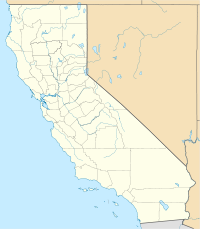
| Demographic data for California | ||
|---|---|---|
| California | U.S. | |
| Total population: | 38,993,940 | 316,515,021 |
| Land area (sq mi): | 155,779 | 3,531,905 |
| Race and ethnicity** | ||
| White: | 61.8% | 73.6% |
| Black/African American: | 5.9% | 12.6% |
| Asian: | 13.7% | 5.1% |
| Native American: | 0.7% | 0.8% |
| Pacific Islander: | 0.4% | 0.2% |
| Two or more: | 4.5% | 3% |
| Hispanic/Latino: | 38.4% | 17.1% |
| Education | ||
| High school graduation rate: | 81.8% | 86.7% |
| College graduation rate: | 31.4% | 29.8% |
| Income | ||
| Median household income: | $61,818 | $53,889 |
| Persons below poverty level: | 18.2% | 11.3% |
| Source: U.S. Census Bureau, "American Community Survey" (5-year estimates 2010-2015) Click here for more information on the 2020 census and here for more on its impact on the redistricting process in California. **Note: Percentages for race and ethnicity may add up to more than 100 percent because respondents may report more than one race and the Hispanic/Latino ethnicity may be selected in conjunction with any race. Read more about race and ethnicity in the census here. | ||
Presidential voting pattern[edit]
- See also: Presidential voting trends in California
California voted for the Democratic candidate in all five presidential elections between 2000 and 2016.
More California coverage on Ballotpedia
- Elections in California
- United States congressional delegations from California
- Public policy in California
- Influencers in California
- California fact checks
- More...
Recent news[edit]
The link below is to the most recent stories in a Google news search for the terms California Proposition 67 Plastic Bag. These results are automatically generated from Google. Ballotpedia does not curate or endorse these articles.
See also[edit]


External links[edit]
Basic information[edit]
Other resources[edit]
Additional reading[edit]
- US News, "Trade group qualifies November 2016 referendum on pending California plastic-bag ban," February 24, 2015
- Washington Post, "Signatures submitted to fight California bag ban," December 29, 2014
- CNN, "California bans plastic grocery bags," October 1, 2014
Footnotes[edit]
- ↑ 1.0 1.1 1.2 Chicago Tribune, "California governor signs phase-out of plastic bags," September 30, 2014
- ↑ NCSL, “State Plastic and Paper Bag Legislation,” June 29, 2016
- ↑ California Legislature, "SB 270," accessed October 6, 2014
- ↑ U-T San Diego, "California poised for 1st state bag ban," September 5, 2014
- ↑ 5.0 5.1 5.2 5.3 5.4 5.5 5.6 5.7 5.8 California Secretary of State, "California General Election November 8, 2016, Official Voter Information Guide," accessed August 18, 2016
- ↑ 6.0 6.1 6.2 6.3 6.4 Note: This text is quoted verbatim from the original source. Any inconsistencies are attributable to the original source.
- ↑ California Secretary of State, "Proposed Referendum Enters Circulation," October 10, 2014
- ↑ 8.0 8.1 California Senate, "Joint Informational Hearing," accessed September 13, 2016
- ↑ San Jose Mercury News, "Mercury News editorial: Make California bag ban permanent," July 21, 2016
- ↑ San Francisco Chronicle, "Chronicle recommends: Yes on Prop. 67, No on Prop. 65," August 26, 2016
- ↑ PRWeb, "California's Proposed Bag Ban Puts Grocers before Consumers: New NCPA Analysis," September 9, 2016
- ↑ Sonoma Index-Tribune, "California Focus: Big Plastics trying to ‘pop’ bag ban," September 9, 2016
- ↑ Californians Against Waste, "Plastic Bags: Local Ordinances," accessed September 9, 2016
- ↑ Stop the Bag Ban, "City-Specific Status, Efforts, and Victories!" accessed January 5, 2015
- ↑ Huntington Beach Independent, "Plastic bag ban repeal process starts in Huntington," January 21, 2015
- ↑ Yes on 67, "Homepage," accessed September 11, 2016
- ↑ 17.0 17.1 17.2 17.3 17.4 17.5 17.6 17.7 17.8 Yes on 67, "Supporter List," September 9, 2016
- ↑ California Senate, "Governor Jerry Brown Signs Landmark Plastic Bag Ban," September 30, 2014
- ↑ Assemblyman Marc Levine, "Assemblymember Levine Comments on Approval of Plastic Bag Ban Legislation," September 30, 2014
- ↑ Red Bluff Daily News, "Stan Statham: Would you like paper or plastic?" March 12, 2015
- ↑ The California Majority Report, "California Democrats Back Plastic Bag Ban," accessed February 27, 2016
- ↑ Green Party of California, “Green Party positions on Statewide Propositions - November 2016 General Election,” October 3, 2016
- ↑ Peace and Freedom Party, "Peace and Freedom Party recommends," accessed September 17, 2016
- ↑ Harvey Milk Democratic Club, “Official Endorsements for the November 8, 2016 Election,” August 17, 2016
- ↑ Santa Monica Daily Press, “Endorsements surge as campaigns heat up,” September 17, 2016
- ↑ Los Angeles Times, "Billionaire political activist Tom Steyer backs upholding the state’s plastic bag ban," August 22, 2016
- ↑ Mother Jones, “California Voters Were Hit With a Blizzard of Ballot Propositions. Here’s Your Cheat Sheet,” October 18, 2016
- ↑ 28.0 28.1 28.2 28.3 28.4 SB 270, "Office of Senate Floor Analyses," accessed January 5, 2014
- ↑ California vs. Big Plastic, "About Us," accessed November 28, 2014
- ↑ California Environmental Justice Alliance Action, “2016 Environmental Justice Voter Guide,” accessed October 5, 2016
- ↑ Our Revolution, "Ballot Initiatives," accessed October 4, 2016
- ↑ National Nurses United, “California Endorsements,” accessed October 3, 2016
- ↑ The Mercury News, "Lewis: Prop 67 bag ban stakes are global," August 18, 2016
- ↑ San Francisco Chronicle, "Makers of plastic bags gather signatures to overturn ban," December 29, 2014
- ↑ Sierra Sun Times, “Congressman Tom McClintock Comments on California Ballot Propositions,” October 14, 2016
- ↑ Libertarian Party of California, "Measures," August 21, 2016
- ↑ 37.0 37.1 37.2 California Secretary of State Campaign Finance, "AMERICAN PROGRESSIVE BAG ALLIANCE, A PROJECT OF THE SOCIETY OF THE PLASTICS INDUSTRY (NON-PROFIT 501 (C) (6)), YES ON 65 AND NO ON 67," accessed February 1, 2017
- ↑ The American Spectator, "Tell Sacramento to Bag It: No On Proposition 67," September 12, 2016
- ↑ Note: This was the total contributions raised for both the support for "yes" vote campaign for Prop. 65 and the opposition to "yes" vote campaign for Prop. 67. Since the committee running those campaign was the same, Ballotpedia was unable to separate out the campaign finance for each proposition.
- ↑ 40.0 40.1 California Secretary of State Campaign Finance, "PROPOSITION 067- REFERENDUM TO OVERTURN BAN ON SINGLE-USE PLASTIC BAGS.," accessed February 1, 2017
- ↑ 41.0 41.1 Cal-Access, "YES ON 67 - PROTECT THE PLASTIC BAG BAN, SPONSORED BY ENVIRONMENTAL AND OCEAN PROTECTION ORGANIZATIONS, BUSINESSES INCLUDING GROCERS AND REUSABLE BAG MAKERS, AND OTHER NONPROFIT ORGANIZATIONS," accessed February 1, 2017
- ↑ The California Majority Report, "Out-of-State Plastic Companies Gave Nearly $1 Million in January to Fight Plastic Bag Ban," accessed February 26, 2016
- ↑ Fair Political Practices Commission, "November 2016 General Election," accessed February 1, 2017
- ↑ The Bakersfield Californian, "Plastic bag ban: Vote yes on Prop. 67; no on 65," September 17, 2016
- ↑ Chico Enterprise-Record, “Editorial: Uphold state’s plastic bag ban with Prop. 67,” October 5, 2016
- ↑ The Daily Californian, "No on 65, yes on 67: Uphold plastic bag ban," October 21, 2016
- ↑ East Bay Express, "Vote With Us! The East Bay Express' Endorsements for Election Day 2016," October 11, 2016
- ↑ East Bay Times, "East Bay Times editorial: Make California bag ban permanent," July 19, 2016
- ↑ The Hanford Sentinel, "It's all about the bags," September 30, 2016
- ↑ The Highlander, "Proposition Endorsements," October 3, 2016
- ↑ Los Angeles Times, "Let California's plastic bag ban stand," December 5, 2014
- ↑ Los Angeles Times, "Editorial Prop 67: A vote to stop profiteering from polluting the Golden State," September 12, 2016
- ↑ San Jose Mercury News, "Mercury News editorial: Trash the initiative to overturn plastic bag ban," December 31, 2014
- ↑ San Jose Mercury News, "Mercury News editorial: Make California bag ban permanent," July 21, 2016
- ↑ Merced Sun-Star, "A sea of plastic bags upon an ocean of trash," December 11, 2014
- ↑ Monterey Herald, "Editorial, Oct. 13, 2016: Plastic bags: Vote yes on Prop. 67, no on Prop. 65," October 12, 2016
- ↑ The Record, “Record endorsements: Voters faced with 17 state ballot measures,” October 15, 2016
- ↑ The Sacramento Bee, "Plastic bag makers in denial about California’s ban," October 10, 2014
- ↑ The Sacramento Bee, "'No' on Proposition 65, 'yes' on Proposition 67 to ban plastic bags," September 29, 2016
- ↑ The Fresno Bee, "‘No’ on 65, ‘yes' on 67 to limit plastic bags," October 2, 2016
- ↑ San Diego City Beat, “2016 Voter Guide: State measures,” October 12, 2016
- ↑ San Diego Free Press, "San Diego 2016 Progressive Voter Guide," October 13, 2016
- ↑ The San Diego Union-Tribune, “Time to ban plastic bags: No on Proposition 65, yes on Prop. 67,” October 14, 2016
- ↑ San Francisco Chronicle, "California lawmakers put an end to plastic-bag litter," August 29, 2014
- ↑ San Francisco Examiner, "Examiner Endorsements: Statewide ballot measures," October 23, 2016
- ↑ San Mateo Daily Journal, "Editorial: Daily Journal proposition endorsements," October 28, 2016
- ↑ Santa Cruz Sentinel, "Editorial, Oct. 13, 2016: Plastic bags: Vote yes on Prop. 67, no on Prop. 65," October 13, 2016
- ↑ Santa Rosa Press Democrat, "PD Editorial: Don’t bury the plastic bag ban: No on Prop 65, Yes on Prop 67," September 21, 2016
- ↑ Ventura County Star, "Editorial: Don't be fooled by plastic bag initiatives," October 4, 2016
- ↑ Los Angeles Daily News, "No on Prop. 67 and California’s plastic-bag ban: Endorsement," October 11, 2016
- ↑ The Orange County Register, "Editorial: Plastic bag-ban bill misguided," August 21, 2013
- ↑ University of Southern California News, "USC Dornsife/LA Times poll: Californians back plastic grocery bag ban," November 1, 2014
- ↑ CALSPEAKS, "General Election October 2016 Survey of Californians," October 20, 2016
- ↑ Los Angeles Times, "Plastic bag-ban supporters complain referendum drive is misleading," December 15, 2014
- ↑ San Jose Mercury News, "Group seeks signatures for referendum to repeal California's plastic bag ban," October 22, 2014
- ↑ The Sacramento Bee, "California plastic bag ban referendum has enough signatures, backers say," December 29, 2014
- ↑ US News, "Trade group qualifies November 2016 referendum on pending California plastic-bag ban," February 24, 2015
| |||||||||||
 |
State of California Sacramento (capital) |
|---|---|
| Elections |
What's on my ballot? | Elections in 2021 | How to vote | How to run for office | Ballot measures |
| Government |
Who represents me? | U.S. President | U.S. Congress | Federal courts | State executives | State legislature | State and local courts | Counties | Cities | School districts | Public policy |
Categories: [Ballot measure article with polls]
↧ Download as ZWI file | Last modified: 12/24/2021 03:03:22 | 14 views
☰ Source: https://ballotpedia.org/California_Proposition_67,_Plastic_Bag_Ban_Veto_Referendum_(2016) | License: CC BY-SA 3.0
 ZWI signed:
 KSF
KSF