Internal Revenue Service

From Ballotpedia

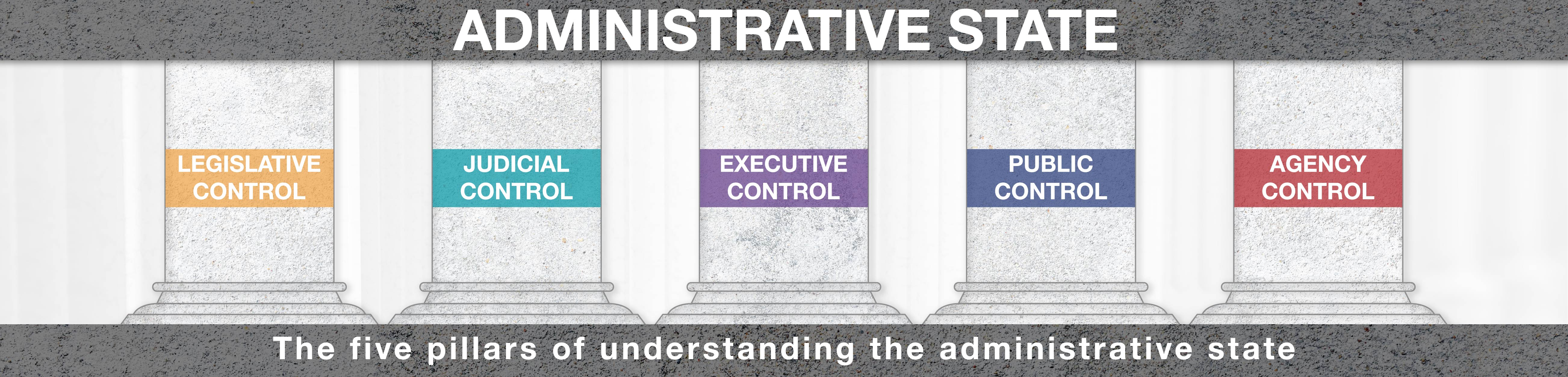
New Administrative State Banner.png
  • The Administrative State
    • Administrative State Index
    • Ballotpedia's Five Pillars
      • Agency control
      • Executive control
      • Judicial control
      • Legislative control
      • Public control
    • Educational opportunities related to the administrative state
    • The Checks and Balances Newsletter
      • July 2025
      • June 2025
      • May 2025
      • April 2025
      • March 2025
      • February 2025
      • January 2025
      • December 2024
      • November 2024
      • October 2024
      • September 2024
      • August 2024
      • July 2024
      • June 2024
      • May 2024
      • April 2024
      • March 2024
      • February 2024
      • January 2024
      • December 2023
      • November 2023
      • October 2023
      • September 2023
      • August 2023
      • July 2023
      • June 2023
      • May 2023
      • April 2023
      • March 2023
      • February 2023
      • January 2023
      • December 2022
      • November 2022
      • October 2022
      • September 2022
      • August 2022
      • July 2022
      • June 2022
      • May 2022
      • April 2022
      • March 2022
      • February 2022
      • January 2022
      • December 2021
      • November 2021
      • October 2021
      • September 2021
      • August 2021
      • July 2021
      • June 2021
      • May 2021
      • April 2021
      • March 2021
      • February 2021
      • January 2021
      • December 2020
      • November 2020
      • October 2020
      • September 2020
      • August 2020
      • July 2020
      • June 2020
      • May 2020
      • April 2020
      • March 2020
      • February 2020
      • January 2020
      • December 2019
      • November 2019
      • October 2019
      • September 2019
      • August 2019
      • July 2019
      • June 2019
      • May 2019
      • April 2019
      • March 2019
      • February 2019
      • January 2019
      • December 2018
      • November 2018
      • October 2018
      • September 2018
      • August 2018
      • July 2018
      • June 2018
      • May 2018
      • April 2018
  • Tracking
    • Administrative state legislation tracker
    • Changes to the Federal Register
    • Historical additions to the Federal Register
    • Completed OIRA review of federal administrative agency rules
    • Federal agency rules repealed under the Congressional Review Act
  • Terms and definitions
    • Glossary of administrative state terms
    • Deference
      • Judicial deference
      • Skidmore deference
      • Auer deference
      • Chevron deference
    • Rulemaking
      • Formal rulemaking
      • Informal rulemaking
      • Hybrid rulemaking
      • Proposed rule
      • Final rule
      • Comment period
      • Ex parte communications
    • Judicial review
    • Nondelegation doctrine
    • Adjudication
    • Administrative law judge
    • Due process
    • Federalism
    • Guidance
    • Executive agency
    • Independent federal agency
    • More terms and definitions
  • Laws and statutes
    • Administrative Procedure Act
    • Civil Service Reform Act
    • Congressional Review Act
    • Regulatory Flexibility Act
    • REINS Act
    • Securities Act of 1933
    • Truth in Regulating Act
    • Unfunded Mandates Reform Act
    • More laws and statutes
  • Executive orders
    • Jimmy Carter
      • Presidential Executive Order 12044 (Jimmy Carter, 1978)
    • Ronald Reagan
      • Presidential Executive Order 12291 (Ronald Reagan, 1981)
      • Presidential Executive Order 12498 (Ronald Reagan, 1985)
    • Bill Clinton
      • Presidential Executive Order 12866 (Bill Clinton, 1993)
      • Presidential Executive Order 13132 (Bill Clinton, 1999)
    • George W. Bush
      • Presidential Executive Order 13258 (George W. Bush, 2002)
      • Presidential Executive Order 13422 (George W. Bush, 2007)
    • Barack Obama
      • Presidential Executive Order 13497 (Barack Obama, 2009)
      • Presidential Executive Order 13563 (Barack Obama, 2011)
      • Presidential Executive Order 13610 (Barack Obama, 2012)
    • Donald Trump (first term)
      • Presidential Executive Order 13765 (Donald Trump, 2017)
      • Presidential Executive Order 13771 (Donald Trump, 2017)
      • Presidential Executive Order 13772 (Donald Trump, 2017)
      • Presidential Executive Order 13777 (Donald Trump, 2017)
      • Presidential Executive Order 13781 (Donald Trump, 2017)
      • Presidential Executive Order 13783 (Donald Trump, 2017)
      • Presidential Executive Order 13789 (Donald Trump, 2017)
      • Presidential Executive Order 13836 (Donald Trump, 2018)
      • Presidential Executive Order 13837 (Donald Trump, 2018)
      • Presidential Executive Order 13839 (Donald Trump, 2018)
      • Presidential Executive Order 13843 (Donald Trump, 2018)
    • Joseph Biden
      • Presidential Executive Order 13990 (Joe Biden, 2021)
      • Presidential Executive Order 13992 (Joe Biden, 2021)
      • Presidential Executive Order 14003 (Joe Biden, 2021)
      • Presidential Executive Order 14018 (Joe Biden, 2021)
      • Presidential Executive Order 14025 (Joe Biden, 2021)
    • Donald Trump (second term)
      • Executive Order: Exclusions From Federal Labor-Management Relations Programs (Donald Trump, 2025)
      • Executive Order: Stopping Waste, Fraud, and Abuse by Eliminating Information Silos (Donald Trump, 2025)
      • Executive Order: Eliminating Waste and Saving Taxpayer Dollars by Consolidating Procurement (Donald Trump, 2025)
      • Executive Order: Continuing the Reduction of the Federal Bureaucracy (Donald Trump, 2025)
      • Executive Order: Implementing the President's "Department of Government Efficiency" Cost Efficiency Initiative (Donald Trump, 2025)
      • Executive Order: Ensuring Lawful Governance and Implementing the President's "Department of Government Efficiency" Deregulatory Initiative (Donald Trump, 2025)
      • Executive Order: Commencing the Reduction of the Federal Bureaucracy (Donald Trump, 2025)
      • Executive Order: Ensuring Accountability for All Agencies (Donald Trump, 2025)
      • Executive Order: Implementing The President’s “Department of Government Efficiency” Workforce Optimization Initiative (Donald Trump, 2025)
      • Executive Order: Unleashing Prosperity Through Deregulation (Donald Trump, 2025)
      • Executive Order: Eliminating the Federal Executive Institute (Donald Trump, 2025)
      • Executive Order: Council To Assess The Federal Emergency Management Agency (Donald Trump, 2025)
      • Executive Order: Ending Radical And Wasteful Government DEI Programs And Preferencing (Donald Trump, 2025)
      • Executive Order: Reforming The Federal Hiring Process And Restoring Merit To Government Service (Donald Trump, 2025)
      • Executive Order: Establishing And Implementing The President’s “Department Of Government Efficiency” (Donald Trump, 2025)
      • Executive Order: Restoring Accountability to Policy-Influencing Positions Within the Federal Workforce (Donald Trump, 2025)
    • More executive orders
  • Agencies
    • Executive departments
      • Dept. of State
      • Dept. of Defense
      • Dept. of Justice
      • Dept. of the Treasury
      • Dept. of Homeland Security
      • Dept. of Education
      • Dept. of Health and Human Services
      • Dept. of Labor
      • Dept. of Veterans Affairs
      • Dept. of Transportation
      • Dept. of Energy
      • Dept. of Housing and Urban Development
      • Dept. of the Interior
      • Dept. of Agriculture
      • Dept. of Commerce
    • Executive agencies
      • Office of Management and Budget
      • U.S. Office of Information and Regulatory Affairs
      • U.S. Civil Service Commission
    • Independent agencies
      • Environmental Protection Agency
      • Small Business Administration
      • Administrative Conference of the United States
      • Federal Communications Commission
      • Federal Trade Commission
  • Court cases
    • Auer v. Robbins
    • Chevron v. Natural Resources Defense Council
    • Skidmore v. Swift & Co.
    • Humphrey's Executor v. United States
    • Citizens to Preserve Overton Park v. Volpe
    • More court cases
  • Administrative state legislation tracker
Internal Revenue Service
Commissioner:Billy Long
Total employed:90,516 (2024)
Year created:1862
Official website:Office website

The Internal Revenue Service (IRS) is an agency in the U.S. Department of the Treasury responsible for administering the United States tax code.[1] The current IRS commissioner is Billy Long.[2]

The Internal Revenue Service employed 90,516 people in the U.S. in 2024.[3]

History[edit]

The commissioner of Internal Revenue was formed by Abraham Lincoln in 1862 to collect the newly passed income tax intended to fund the Civil War. The income tax was repealed ten years later, but it was revived in 1894. The Supreme Court then ruled the income tax unconstitutional in 1895. With the ratification of the 16th Amendment in 1913, the ability to collect income taxes was authorized.[4]

The first 1040 income tax form in 1913

The first income tax rates were 1 percent on incomes above $3,000 and a 6 percent surtax on incomes over $500,000. The rates and types of taxes changed depending on circumstances, reaching as high as 77 percent in the highest bracket during World War I. Payroll withholding tax and quarterly tax payments were implemented during World War II.[4] During Prohibition, the commissioner of Internal Revenue was charged with enforcing the ban on alcohol. In 1931, the IRS Intelligence Unit arrested noted gangster Al Capone on charges of tax evasion for which he was sentenced to 11 years in prison.[5]

In 1952, President Harry Truman reorganized the IRS to replace the patronage system with a career civil service system with the commissioner and chief counsel appointed by the president and confirmed by the United States Senate. President Dwight D. Eisenhower changed the name of the organization from the Bureau of Internal Revenue to the Internal Revenue Service in 1953. In 1954, the income tax filing date was changed from March 15 to April 15 of each year.[5]

The Tax Reform Act was passed during the Ronald Reagan administration, changing 300 provisions in the tax code. The IRS was reorganized in 1998 with the passage of the IRS Restructuring and Reform Act. The reorganization was completed in 2000 with the formation of four main divisions: Wage and Investment, Small Business/Self-Employed, Large and Mid-Size Business, and Tax Exempt and Government Entities.[5]

Structure[edit]

Administrative State
Administrative State Icon Gold.png

Read more about the administrative state on Ballotpedia.

Mission[edit]

The official mission statement of the IRS is as follows:

Provide America's taxpayers top quality service by helping them understand and meet their tax responsibilities and enforce the law with integrity and fairness to all.[6]
—IRS[1]

Leadership[edit]

The current commissioner of the IRS is Billy Long.

Note: Votes marked "N/A" represent voice votes or unrecorded votes.


Organizational chart[edit]

Click here to view the IRS' organizational chart.

Noteworthy events[edit]

See also: Federal policy on taxes, 2017-2018 and Significant regulatory action

The U.S. Office of Management and Budget (OMB) and the U.S. Department of the Treasury released a memorandum of understanding on April 12, 2018, granting the Office of Information and Regulatory Affairs (OIRA)—an office within OMB responsible for reviewing and coordinating what it deems all significant regulatory actions made by federal agencies—the authority to review proposed major tax regulations issued by the IRS.[7][8]

The memorandum of understanding ended an IRS exemption from OIRA's regulatory review process that had been in place since 1983. The Trump administration had sought to bring major IRS regulations under OIRA's regulatory review process since the passage of the administration's tax legislation, the Tax Cuts and Jobs Act, in December 2017.[7]

The memorandum of understanding subjected the following types of IRS regulations to OIRA's regulatory review process:[8]

A tax regulatory action will be subject to review by OIRA under section 6 of Executive Order 12866 if it is likely to result in a rule that may:
(a) create a serious inconsistency or otherwise interfere with an action taken or planned by another agency;
(b) raise novel legal or policy issues, such as by prescribing a rule of conduct backed by an assessable payment; or
(c) have an annual non-revenue effect on the economy of $100 million or more, measured against a no-action baseline.[8][6]

See also[edit]

  • Federal policy on taxes, 2017-2018
  • IRS Form 990
  • IRS code, section 501

External links[edit]

  • Official Internal Revenue Service website
  • Search Google News for this topic

Footnotes[edit]

  1. 1.0 1.1 IRS, "The Agency, its Mission and Statutory Authority," accessed April 14, 2014
  2. Roll Call, "Ex-Rep. Long confirmed as Trump’s IRS commissioner," June 12, 2025
  3. IRS, "IRS Budget and Workforce," accessed June 12, 2025
  4. 4.0 4.1 IRS, "Brief History of IRS," accessed April 15, 2014
  5. 5.0 5.1 5.2 IRS, "Historical Highlights of the IRS," April 17, 2014
  6. 6.0 6.1 Note: This text is quoted verbatim from the original source. Any inconsistencies are attributable to the original source.
  7. 7.0 7.1 Politico, "Mulvaney prevails in turf battle over tax regs," April 12, 2018
  8. 8.0 8.1 8.2 U.S. Department of the Treasury, "Memorandum of Agreement," accessed August 7, 2018

Categories: [Federal agencies of the United States] [Finance policy agencies] [Agencies of the administrative state]


Download as ZWI file | Last modified: 08/11/2025 10:03:47 | 2 views
☰ Source: https://ballotpedia.org/Internal_Revenue_Service | License: CC BY-SA 3.0

ZWI is not signed. [what is this?]