Michigan Gubernatorial And Lieutenant Gubernatorial Election, 2018
 From Ballotpedia
- General election: Nov. 6
- Voter registration deadline: Oct. 9
- Early voting: N/A
- Absentee voting deadline: Nov. 6
- Online registration: No
- Same-day registration: No
- Voter ID: Photo ID requested
- Poll times: 7:00 a.m. to 8:00 p.m.
|
← 2014
|
| Governor and Lieutenant Governor of Michigan |
|---|
 |
| Democratic primary Republican primary General election |
| Election details |
| Filing deadline: April 24, 2018 |
| Primary: August 7, 2018 General: November 6, 2018 Pre-election incumbent(s): Gov. Rick Snyder (Republican) Lt. Gov. Brian Calley (Republican) |
| How to vote |
| Poll times: 7 a.m. to 8 p.m. Voting in Michigan |
| Race ratings |
Sabato's Crystal Ball: Likely Democratic Inside Elections: Lean Democratic |
| Ballotpedia analysis |
| Federal and state primary competitiveness State executive elections in 2018 Impact of term limits in 2018 State government trifectas and triplexes Ballotpedia's Election Analysis Hub, 2018 |
| Michigan executive elections |
| Governor Lieutenant governor |
Former state Senate Minority Leader Gretchen Whitmer (D) defeated Michigan Attorney General Bill Schuette (R) and four other candidates in the general election on November 6, 2018, for Michigan's governorship. Activist Garlin Gilchrist II (D) was Whitmer's running mate, while state Rep. Lisa Posthumus Lyons (R) was Schuette's running mate.
Michigan came under divided government in the 2018 elections as Democrats won the governor's office and Republicans held the state legislature. Heading into the election, Michigan had been a Republican trifecta since 2010 when Republicans took control of the Michigan House of Representatives and the governorship and maintained control of the Michigan State Senate.
The winner of this election stood to influence the state's redistricting process following the 2020 census. Under Michigan state law, the state Legislature is responsible for drawing new maps for U.S. House and state legislative seats following the completion of the census. The governor has the power to veto these district map proposals.[1] Click here for more information on redistricting procedures.
Incumbent Gov. Rick Snyder (R), who was term-limited, was first elected in 2010 by 18.2 percentage points and re-elected in 2014 by 4.0 percentage points. Snyder was the only Republican to win a gubernatorial or U.S. Senate election in Michigan from 2000 to 2017. Donald Trump (R) won Michigan in the 2016 presidential election by 0.2 percentage points. He was the first Republican to win Michigan since George H.W. Bush in 1988.[2] Of the past ten gubernatorial elections in Michigan, four have resulted in the seat changing hands. The last time a Michigan gubernatorial election was won by a candidate who shares a party with the outgoing incumbent was in 1968 when William Milliken (R) was elected to succeed George Romney (R).
Michigan was one of 36 states that held an election for governor in 2018. Democrats gained seven previously Republican-held seats, and Republicans gained one previously independent-held seat. Heading into the 2018 elections, there were 16 Democratic governors, 33 Republican governors, and one independent governor. In 2018, 26 of the 33 states with a Republican governor held a gubernatorial election, while nine out of the 16 states with a Democratic governor held a gubernatorial election. Seventeen of the 36 seats up for election were open seats (four Democratic, 12 Republican, and one independent), meaning that the sitting governor was not seeking re-election. Click here for more information on other 2018 gubernatorial elections.
Third party candidates who ran included Jennifer Kurland (G), Bill Gelineau (L), Keith Butkovich (Natural Law), and Todd Schleiger (U.S. Taxpayers).
 For more information about the Democratic primary, click here.
 For more information about the Republican primary, click here.
Contents
- 1 Candidates and election results
- 2 Candidate profiles
- 3 Polls
- 4 Campaign finance
- 5 Satellite spending
- 6 Race rating
- 7 Noteworthy endorsements
- 8 Timeline
- 9 Campaign ads
- 10 Campaign strategies and tactics
- 11 Noteworthy events
- 12 Debates and forums
- 13 Campaign themes
- 14 Social media
- 15 Other 2018 statewide elections
- 16 Pivot Counties
- 17 Election history
- 18 Wave election analysis
- 19 State overview
- 20 State election history
- 21 Recent news
- 22 See also
- 23 External links
- 24 Footnotes
Candidates and election results[edit]
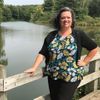
General election for Governor of Michigan
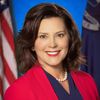
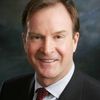
The following candidates ran in the general election for Governor of Michigan on November 6, 2018.
Candidate |
% |
Votes |
||
| ✔ |
|
Gretchen Whitmer (D) |
53.3
|
2,266,193 |
|
|
Bill Schuette (R) 
|
43.7
|
1,859,534 | |
|
|
Bill Gelineau (L) |
1.3
|
56,606 | |
|
|
Todd Schleiger (U.S. Taxpayers Party) |
0.7
|
29,219 | |
|
|
Jennifer Kurland (G) |
0.7
|
28,799 | |
|
|
Keith Butkovich (Natural Law Party) |
0.2
|
10,202 | |
| Other/Write-in votes |
0.0
|
32 | ||

|
Total votes: 4,250,585 (100.00% precincts reporting) |
|||
| = candidate completed the Ballotpedia Candidate Connection survey. | ||||
Do you want a spreadsheet of this type of data? Contact our sales team. |
||||
Democratic primary for Governor of Michigan
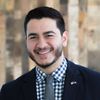
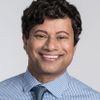
Gretchen Whitmer defeated Abdul El-Sayed and Shri Thanedar in the Democratic primary for Governor of Michigan on August 7, 2018.
Candidate |
% |
Votes |
||
| ✔ |
|
Gretchen Whitmer |
52.0
|
588,436 |
|
|
Abdul El-Sayed |
30.2
|
342,179 | |
|
|
Shri Thanedar |
17.7
|
200,645 | |
|
Total votes: 1,131,260 | |||
Do you want a spreadsheet of this type of data? Contact our sales team. |
||||
Republican primary for Governor of Michigan
Bill Schuette defeated Brian Calley, Patrick Colbeck, and Jim Hines in the Republican primary for Governor of Michigan on August 7, 2018.
Candidate |
% |
Votes |
||
| ✔ |
|
Bill Schuette
|
50.7
|
501,959 |
|
|
Brian Calley |
25.2
|
249,185 | |
|
|
Patrick Colbeck |
13.1
|
129,646 | |
|
|
Jim Hines |
11.0
|
108,735 | |
|
Total votes: 989,525 | |||
| = candidate completed the Ballotpedia Candidate Connection survey. | ||||
Do you want a spreadsheet of this type of data? Contact our sales team. |
||||
Green primary for Governor of Michigan
Jennifer Kurland advanced from the Green primary for Governor of Michigan on August 7, 2018.
Candidate |
||
| ✔ |
|
Jennifer Kurland |
|
||||
Do you want a spreadsheet of this type of data? Contact our sales team. |
||||
Libertarian primary for Governor of Michigan
Bill Gelineau defeated John Tatar in the Libertarian primary for Governor of Michigan on August 7, 2018.
Candidate |
% |
Votes |
||
| ✔ |
|
Bill Gelineau |
57.8
|
4,034 |
|
|
John Tatar |
42.2
|
2,941 | |

|
Total votes: 6,975 | |||
Do you want a spreadsheet of this type of data? Contact our sales team. |
||||
Withdrawn or disqualified candidates
- Dwain Reynolds (G)
- Kentiel White (D)
- Justin Giroux (D)
- Evan Space (R)
- Richard Sills (Independent)
- Ryan Henry Cox (Independent)
- Bill Cobbs (D)
Write-in candidates
- Evan Space
- Angelo Brown
- Larry Hutchinson
- Robin Sanders
- William Cobbs
- Patrick O’Neal Burney
- Raymond Hall
- Lance Herman
- Henry Lester
- Clyde Lynch
- Chaneika Ranell Penny
- Francis Rowley
- John Arthur Williams
Lieutenant gubernatorial election[edit]
General election candidates
- Garlin Gilchrist II (Democratic Party) ✔
- Lisa Posthumus Lyons (Republican Party)
- Charin Davenport (Green Party)
- Angelique Chaiser Thomas (Libertarian Party)
- Raymond Warner (Natural Law Party)
- Earl Lackie (U.S. Taxpayers Party)
Candidate profiles[edit]


Party: Democratic
Incumbent: No
Political office: Michigan State Senate (2006-2015), Michigan House of Representatives (2001-2006)
Biography: Whitmer was raised in Grand Rapids and East Lansing, Michigan. She earned her bachelor's degree and J.D. from Michigan State University in 1993 and 1998, respectively. Her professional experience includes working as a prosecutor for Ingham County and a corporate litigator for the law firm of Dickinson Wright.[3]
- Whitmer said she loved Michigan and wanted to improve conditions for the middle class so that it more resembled the Michigan in which she grew up.[4]
- Whitmer said she wanted to increase funding for public schools, skills training institutions, infrastructure, and water quality. She said this would create opportunities for middle-class families.[4]
- Whitmer highlighted her record as state Senate minority leader, specifically pointing to her work on Medicaid expansion. She said she wanted to pursue similar initiatives as governor to make a practical difference in people's lives.[4]


Party: Republican
Incumbent: No
Political office: Michigan Attorney General (assumed office: 2011), Michigan Fourth District Court of Appeals (2002-2009), Michigan State Senate (1994-2002), Michigan Director of Agriculture (1991-1994), U.S. Representative from Michigan's 10th Congressional District (1985-1991)
Biography: Schuette was born in Midland, Michigan. He received his bachelor's degree from Georgetown University and his J.D. from the University of San Francisco. He practiced law before entering political office in 1985. After leaving the Michigan Court of Appeals in 2009, he worked as an attorney for Warner, Norcross & Judd.[5]
- Schuette said he would be the "jobs governor" and pursue economic policies like decreasing taxes and cutting auto insurance rates to boost paychecks for Michiganders. His website said his "one goal and singular ambition is to make Michigan a growth state, a paycheck state, a jobs state."[6]
- Schuette emphasized his record as attorney general, saying he took on the Obama administration, sex traffickers, and corruption in Detroit Public Schools to protect the state's residents.[6]
- Schuette said Gretchen Whitmer was too liberal for the state. He compared her to former Gov. Jennifer Granholm (D), who he blamed for high taxes and economic stagnation in the early and mid-2000s.[7]
Polls[edit]
- See also: Ballotpedia's approach to covering polls
| Michigan Governor 2018 | |||||||||||||||||||
|---|---|---|---|---|---|---|---|---|---|---|---|---|---|---|---|---|---|---|---|
| Poll | Poll sponsor | Gretchen Whitmer |
Bill Schuette | Undecided/Other | Margin of error | Sample size | |||||||||||||
| Mitchell Research & Communications (Nov. 4, 2018) | N/A | 54% | 40% | 6% | +/-3.7 | 701 | |||||||||||||
| Target Insyght (Oct. 22-24, 2018) | N/A | 48% | 44% | 8% | +/-3.0 | 800 | |||||||||||||
| Glengariff Group Inc. (Oct. 25-27, 2018) | The Detroit News and WDIV | 50% | 38% | 12% | +/-4.0 | 600 | |||||||||||||
| Mitchell Research and Communications (Oct. 25, 2018) | N/A | 48% | 43% | 9% | +/-5.0 | 400 | |||||||||||||
| EPIC-MRA (Oct. 18-23, 2018) | Detroit Free Press, WLNS-TV 6, WOOD-TV 8, WJRT-TV 12 | 46% | 41% | 13% | +/-4.0 | 600 | |||||||||||||
| ALG Research (Oct. 15-21, 2018) | Whitmer campaign | 47% | 36% | 17% | +/-3.3 | 906 | |||||||||||||
| Marketing Resource Group (Oct. 14-18, 2018) | N/A | 50% | 36% | 14% | +/-4.0 | 600 | |||||||||||||
| Mitchell Research & Communications (September 30-Oct. 7, 2018) | The Michigan Chamber of Commerce | 46% | 38% | 16% | +/-3.8 | 654 | |||||||||||||
| Glengariff Group Inc. (September 20-Oct. 2, 2018) | The Detroit News and WDIV | 47% | 35% | 18% | +/-4.0 | 600 | |||||||||||||
| EPIC-MRA (September 21-25, 2018) | The Detroit Free Press, WLNS TV 6, WOOD TV, and WJRT TV 12 | 45% | 37% | 18% | +/-4.0 | 600 | |||||||||||||
| Ipsos Public Affairs (September 14-21, 2018) | Thomson Reuters/University of Virginia | 52% | 31% | 26% | +/-3.3 | 1,150 | |||||||||||||
| Mitchell Research and Communications (September 12-13, 2018) | MIRS | 48% | 38% | 14% | +/-3.0 | 1,009 | |||||||||||||
| Target-Insyght (September 10-14, 2018) | MIRS | 50% | 41% | 9% | +/-3.0 | 800 | |||||||||||||
| Strategic National (September 8-9, 2018) | WJML | 49% | 39% | 12% | +/-3.1 | 1,000 | |||||||||||||
| AVERAGES | 48.57% | 38.36% | 13.71% | +/-3.66 | 744.29 | ||||||||||||||
| Note: The polls above may not reflect all polls that have been conducted in this race. Those displayed are a random sampling chosen by Ballotpedia staff. If you would like to nominate another poll for inclusion in the table, send an email to editor@ballotpedia.org. | |||||||||||||||||||
| Click [show] to view older polls | ||||||||||||||||||||||||||||||||||||||||||||||||||||||||||||||||||||||||||
|---|---|---|---|---|---|---|---|---|---|---|---|---|---|---|---|---|---|---|---|---|---|---|---|---|---|---|---|---|---|---|---|---|---|---|---|---|---|---|---|---|---|---|---|---|---|---|---|---|---|---|---|---|---|---|---|---|---|---|---|---|---|---|---|---|---|---|---|---|---|---|---|---|---|---|
| ||||||||||||||||||||||||||||||||||||||||||||||||||||||||||||||||||||||||||
PredictIt Prices[edit]
This section provides the PredictIt market prices for this race during the three months leading up to the election. PredictIt is a site where people make and trade predictions on political and financial events. Market prices reflect the probability, based on PredictIt users' predictions, that a candidate will win a race. For example, a market price of $0.60 for Candidate A is equivalent to a 60 percent probability that Candidate A will win.
Campaign finance[edit]
Satellite spending[edit]
Satellite spending, commonly referred to as outside spending, describes political spending not controlled by candidates or their campaigns; that is, any political expenditures made by groups or individuals that are not directly affiliated with a candidate. This includes spending by political party committees, super PACs, trade associations, and 501(c)(4) nonprofit groups.[9][10][11]
This section lists satellite spending in this race reported by news outlets in alphabetical order. If you are aware of spending that should be included, please email us.
- Americans for Prosperity (AFP)
- On September 5, AFP announced a $1.6 million television and digital ad campaign opposing Whitmer.[12]
- On June 13, 2018, AFP launched a $1.7 million ad campaign in opposition to the candidacy of Gretchen Whitmer (D). The ad compared Whitmer's policies to those of former Gov. Jennifer Granholm (D), citing Whitmer's votes on budget and taxation proposals.[13]
- Democratic Governors Association (DGA)
- On March 15, 2018, the DGA announced that it had reserved $20 million worth of advertisements in four states on behalf of Democratic candidates for governor, including Michigan. In a press release announcing the ad buy, Executive Director Elisabeth Pearson said that "electing more Democratic governors is the best way to fight Republican gerrymandering and take back control of the House. Democrats are on offense this year, and the DGA is fully committed to winning these key redistricting races."[14]
- Everytown for Gun Safety said it would spend $8 million to $10 million in four gubernatorial races, including Michigan.[15]
- The Republican Governors Association (RGA)
- On October 24, the RGA and the Republican Party of Michigan announced they would spend $1.2 million on pro-Schuette ads before the election.[16]
- On September 4, the RGA announced that it was decreasing its ad buy in Michigan from $7.1 million to $5.6 million, specifically by pulling television advertisements from the metro Detroit and Grand Rapids markets.[17]
- The RGA affiliate State Solutions launched an ad supporting Bill Schuette on August 31.[18] As of early September it had invested more than $1 million in the race.[17]
Race rating[edit]
Ballotpedia provides race ratings from three outlets: The Cook Political Report, Inside Elections, and Sabato's Crystal Ball. Each race rating indicates if one party is perceived to have an advantage in the race and, if so, the degree of advantage:
- Safe and Solid ratings indicate that one party has a clear edge and the race is not competitive.
- Likely ratings indicate that one party has a clear edge, but an upset is possible.
- Lean ratings indicate that one party has a small edge, but the race is competitive.[19]
- Tossup ratings indicate that neither party has an advantage.
Race ratings are informed by a number of factors, including polling, candidate quality, and election result history in the race's district or state.[20][21][22]
| Race ratings: Michigan gubernatorial election, 2018 | |||||||||
|---|---|---|---|---|---|---|---|---|---|
| Race tracker | Race ratings | ||||||||
| November 5, 2018 | October 30, 2018 | October 23, 2018 | October 16, 2018 | ||||||
| The Cook Political Report | Lean Democratic | Lean Democratic | Lean Democratic | Lean Democratic | |||||
| Inside Elections with Nathan L. Gonzales | Lean Democratic | Lean Democratic | Lean Democratic | Lean Democratic | |||||
| Larry J. Sabato's Crystal Ball | Likely Democratic | Likely Democratic | Likely Democratic | Likely Democratic | |||||
| Note: Ballotpedia updates external race ratings every two weeks throughout the election season. | |||||||||
Noteworthy endorsements[edit]
This section lists noteworthy endorsements issued in this election, including those made by high-profile individuals and organizations, cross-party endorsements, and endorsements made by newspaper editorial boards. It also includes links to endorsement lists published on campaign websites, if available. Please note that this list is not exhaustive. If you are aware of endorsements that should be included, please email us.
| Noteworthy general election endorsements | ||||||
|---|---|---|---|---|---|---|
| Endorsement | Whitmer (D) | Schuette (R) | ||||
| Elected officials | ||||||
| President Donald Trump (R)[23] | ✔ | |||||
| Former President Barack Obama (D)[24] | ✔ | |||||
| Vice President Mike Pence (R)[25] | ✔ | |||||
| Former Vice President Joe Biden (D)[26] | ✔ | |||||
| Former U.S. Attorney General Eric Holder (D)[27] | ✔ | |||||
| U.S. Sen. Bernie Sanders (I-Vt.)[28] | ✔ | |||||
| Hillary Clinton (D)[29] | ✔ | |||||
| Organizations | ||||||
| National Rifle Association[30] | ✔ | |||||
| Grand Rapids Area Chamber of Commerce[31] | ✔ | |||||
| Detroit Regional Chamber of Commerce[32] | ✔ | |||||
| Newspapers | ||||||
| The Detroit Free Press[33] | ✔ | |||||
| Click here to see a list of endorsements before the August 7 Democratic primary | |
|---|---|
| Click here to see a list of endorsements before the August 7 Republican primary | |||||||||||||||||||||||||||||||||||||||||||||||||||||||||||||||||||||||||||||||||||||||||||||||||||
|---|---|---|---|---|---|---|---|---|---|---|---|---|---|---|---|---|---|---|---|---|---|---|---|---|---|---|---|---|---|---|---|---|---|---|---|---|---|---|---|---|---|---|---|---|---|---|---|---|---|---|---|---|---|---|---|---|---|---|---|---|---|---|---|---|---|---|---|---|---|---|---|---|---|---|---|---|---|---|---|---|---|---|---|---|---|---|---|---|---|---|---|---|---|---|---|---|---|---|---|
| |||||||||||||||||||||||||||||||||||||||||||||||||||||||||||||||||||||||||||||||||||||||||||||||||||
Rick Snyder does not endorse either candidate[edit]
On September 6, 2018, incumbent Gov. Rick Snyder (R) announced that he would not issue an endorsement for any candidates on the general election ballot. Snyder had endorsed Lt. Gov. Brian Calley (R) in the Republican primary.
Snyder said, "I have always viewed myself as a traditional politician and there are a lot of things I want to get done before I am finished. So I want to stay focused on getting more and more and better results for our citizens.”[63]
Timeline[edit]
- October 30, 2018: A Glengariff Group Inc. poll commissioned by The Detroit News and WDIV showed Whitmer with 50 percent and Schuette with 38 percent. The margin of error was 4.0 percentage points.
- October 30, 2018: The Associated Press reported that Schuette would cancel all scheduled television ads except those in the Detroit market.[64]
- October 29, 2018: Hillary Clinton (D) endorsed Whitmer.
- October 29, 2018: Vice President Mike Pence (R) held a rally with Schuette.[16]
- October 26, 2018: A poll by Mitchell Research and Communications found Whitmer with 48 percent and Schuette with 43 percent. The margin of error was 4.0 percentage points.
- October 26, 2018: The Center for Michigan reported that Whitmer had raised $12.2 million throughout her campaign and had about $886,000 in cash on hand. Schuette had raised $8.5 million throughout his campaign and had about $104,000 in cash on hand.[65]
- October 26, 2018: Former President Barack Obama (D) held a rally with Whitmer.[66]
- October 25, 2018: An EPIC-MRA poll commissioned by multiple media outlets showed Whitmer with 46 percent and Schuette with 41 percent. The margin of error was 4.0 percentage points.
- October 24, 2018: The candidates met in a debate on WDIV-TV. Read more below.
- October 24, 2018: The Republican Party of Michigan and the Republican Governors Association announced they would spend $1.2 million on pro-Schuette ads before the election.
- October 22, 2018: A Marketing Resource Group showed Whitmer with 50 percent and Schuette with 36 percent. The margin of error was 4.0 percentage points.
- October 12, 2018: The candidates met in a debate hosted by WOOD-TV. Read more below.
- October 11, 2018: U.S. Sen. Bernie Sanders (I-Vt.) endorsed Whitmer.
- October 10, 2018: A Mitchell Research & Communications poll commissioned by the Michigan Chamber of Commerce showed Whitmer leading Schuette 46-38. The margin of error was 3.8 percentage points.
- October 4, 2018: A Glengariff Group Inc. poll commissioned by The Detroit News and WDIV showed Whitmer leading Schuette 47-35. The margin of error was 4 percentage points.
- October 1, 2018: Former President Barack Obama (D) endorsed Gretchen Whitmer.
- September 27, 2018: An EPIC-MRA poll commissioned by four news agencies found Whitmer leading Schuette 45-37. The margin of error was 4 percentage points.
- September 26, 2018: An Ipsos poll commissioned by Thomson Reuters and the University of Virginia found Whitmer leading Schuette 52-39. The margin of error was 3.3 percentage points.
- September 18, 2018: A Mitchell Research and Communications poll commissioned by MIRS found Whitmer leading Schuette 48-38. The margin of error was 3 percentage points.
- September 10, 2018: Glengariff Group Inc. conducted a survey for The Detroit News and WDIV-TV that found Whitmer leading Schuette 50-36. The margin of error was 4 percentage points.
- September 7, 2018: The Whitmer campaign revealed it raised $5 million between January 1, 2018, and August 27 and had about $1.5 million in cash on hand. The Schuette campaign said it raised about $3.5 million during the same period and also had $1.5 million in cash on hand.
- September 5, 2018: Americans for Prosperity launched a $1.6 million negative ad campaign against Gretchen Whitmer.
- August 15, 2018: Former Vice President Joe Biden (D) endorsed Gretchen Whitmer.
- August 13-14, 2018: Strategic National conducted a poll of 700 likely voters on behalf of WJML. The poll found that 45 percent would vote for Gretchen Whitmer (D), 36 percent would vote for Bill Schuette (R), and 19 percent were undecided.
Campaign ads[edit]
This section shows advertisements released in this race. Ads released by campaigns and, if applicable, satellite groups are embedded or linked below. If you are aware of advertisements that should be included, please email us.
Gretchen Whitmer[edit]
Support[edit]
|
|
|
|
|
|
|
|
Oppose[edit]
|
|
|
|
|
|
|
Bill Schuette[edit]
Support[edit]
|
|
|
|
|
|
|
Oppose[edit]
|
|
|
|
Campaign strategies and tactics[edit]
Larry Nassar sexual abuse case[edit]
On September 19, Bill Schuette began to air ads featuring parents of one of the gymnasts who was sexually abused by Michigan State University physician Larry Nassar. In the ads, Lee and Mark Weick praise Schuette for his involvement in prosecuting Nassar, who allegedly abused more than 250 young girls from 1992 to 2015.[67]
On September 21, the Michigan Republican Party released an ad claiming that Gretchen Whitmer declined to prosecute Nassar when she served as the interim Ingham County prosecutor in 2016. Schuette said Whitmer “failed to prosecute” and “chose not to prosecute this case.”
Whitmer denied the claims and said Schuette and Republicans were politicizing the Nassar case in a way that was "hurting the women who bravely came forward and their families."[68]
On September 24, Schuette said that Whitmer did not tell the truth about the Nassar investigation and said this disqualified her from serving as governor. In response, Whitmer said, “My record is supported by both all publicly available evidence and the prosecuting attorneys I served with, and it’s a shame that Bill Schuette and the Republican Party would distort that record in order to try to turn around his failing campaign. As a rape survivor, a prosecutor and an ally, I stand with the survivors who have asked him to stop weaponizing this case.”[69]
Noteworthy events[edit]
First-ever Libertarian primary[edit]
In 2018, the Libertarian Party of Michigan held its first ever gubernatorial primary election. The party received recognition as a major party in the state following the 2016 presidential election, in which Libertarian candidate Gary Johnson (L) received 171,136 votes. Under state law, a party is considered a major party if their presidential candidate receives an amount of votes greater than five percent of the votes cast in the preceding election for Michigan Secretary of State, which meant that a 2016 presidential candidate needed to receive at least 154,040 votes in order to earn recognition.
This was the first time that a party other than the Democratic and Republican parties met the threshold required for primary placement since 1996, when Ross Perot's performance in the presidential election earned the Reform Party the right to hold a gubernatorial primary in 1998.[70]
Debates and forums[edit]
The candidates agreed to the following debates.
Oct. 12 WOOD- TV debate[edit]
Schuette and Whitmer debated on WOOD-TV in Grand Rapids.
See roundups of the debate here:
|
Oct. 24 WDIV-TV debate[edit]
The candidates debated on WDIV-TV in Detroit.[71]
See roundups of the debate here:
|
Campaign themes[edit]
Gretchen Whitmer[edit]
Whitmer’s campaign website stated the following:
| “ |
Fix the Damn Roads While politicians in Lansing vote down road funding solutions for political gain, the dire state of our highways is endangering our people and getting in the way of our economic prosperity. Michigan deserves a governor who will fix the problem and knows how to bring people together to get it done. More than 70 communities have drinking water systems with higher lead levels than Flint and billions of gallons of sewage currently contaminate our water ways. It’s time to fix it, and fix it right. To grow our economy and make Michigan a state that businesses move to and can grow in, we must invest in our roads, bridges, water systems, broadband, and electrical grid. Good roads are good for Michigan families and businesses and infrastructure investment is economic development. We can attract the jobs of the future and help businesses grow right here in Michigan. Now let’s get to work. My plan would: Fix it and fix it right. Upgrade Michigan’s roads, bridges, and water systems. Invest in good infrastructure because it’s good for business. Make a bold investment in the Rebuild Michigan Bank, a state infrastructure bank that will pay for high quality upgrades and create thousands of good jobs. A strategic plan to dig less and build smarter. Make commutes safer and faster Ensure clean safe water Build a new Soo Lock Connect more Michiganders to high-speed broadband Internet Make Health Care More Affordable Expanding Medicaid. As Senate Democratic Leader, I led negotiations to expand access to healthcare to more than 680,000 Michiganders through the state’s Medicaid expansion. Healthy Michigan added 30,000 jobs per year to our state and $2.3 billion to our economy. Protecting our care. We fought too hard to let Washington raise costs on seniors, families, and hardworking Michiganders. As Governor, I will defend our health care from these attacks, but we must keep fighting to address the cost of health care and lower the cost of prescription drugs until everyone in Michigan has access to an affordable health plan and can afford their treatment. Restoring funding to Planned Parenthood so that women and men in low income and rural areas have access to preventative care like screenings and checkups, contraception, and maternity care. Access to care in rural Michigan by enlisting technology, bringing people together, and harnessing the incredible talent of our state to find solutions to the challenges faced by rural hospitals and care providers. I’m ready to bring people together to find solutions so that every Michigander, no matter where they live, gets the care they need. Clean Up Our Drinking Water For the sake of our health, our economy, and the nearly 1,000,000 jobs in fishing, farming, and tourism that are anchored on the Great Lakes, we must act now. As Governor, I am committed to: Clean up our drinking water. As governor, I will fight to clean up Michigan’s drinking water, unlike the Snyder administration’s failures. My infrastructure plan will speed up the replacement of lead service lines across the state so every parent can turn on their tap, bathe their kids, and give them a glass at the dinner table. Protect the Great Lakes Not just for our rich heritage, their pristine beauty, or the nearly one million jobs they help generate for our state, but because it is our responsibility as the stewards of over 20% of earth’s freshwater and the groundwater that goes with it. Some of my favorite memories include swimming in the Thornapple River, fishing off the dock in Onekama with my brother and sister, and climbing the dunes on Lake Michigan. Climate change has impacted our lakes by lowering water tables and stimulating massive algae blooms. We must also do more to prevent a more aggressive spread of invasive species like Asian carp and lampreys. We in Michigan are defined by our water, and it’s up to us to protect it. Enter Michigan into the US Climate Alliance When the federal government withdrew the United States from the Climate Agreement, I called on Governor Snyder to join hundreds of mayors and a dozen governors across the nation in committing to lowering carbon emissions. He refused, but I won’t. I am committed to fighting for our air and water. To lead the world in water policy We have research universities, we have midwestern grit, and we have water. As Governor, I will bring people together to make Michigan a world leader in water policy. Relying on science, facts and truly independent studies to guide how we address the challenges of balancing our environmental impact, jobs, and the sanctity of our waterways. An oil spill in the Great Lakes would be absolutely devastating to our environment and our economy. We can’t afford to sit around and wait for disaster to strike, we need Governor Snyder and Bill Schuette to stop making excuses and announce an immediate plan to shut down Line 5. Enough is enough. If they don’t have the guts to do their jobs and take action, we’ll get it done when I’m governor. On the day I take office, I will immediately file to enjoin the easement and begin the legal process for shutting down Line 5 to protect the Great Lakes, protect our drinking water and protect Michigan jobs. Hiring impartial experts To oversee and regulate our emissions standards will ensure that scientists, and not corporate interests, are making the decisions that impact our water and air. Holding Government Accountable The problem is that Governor Snyder and Republicans in Lansing have spent the past eight years rigging the rules of Michigan’s economy to favor wealthy campaign donors like Education Secretary Betsy DeVos over regular Michigan families. Since 2011, Republicans in Lansing have: passed the Emergency Manager law, which created the Flint Water Crisis; put the lives of Michigan veterans at risk by privatizing jobs at the Grand Rapids Home for Veterans; doubled campaign contribution limits infusing even more money into state politics; and refused to extend the Freedom of Information Act to the governor’s office and the legislature. As a result, Michigan’s lack of transparency and accountability earned us an F on a 2015 Center for Public Integrity’s survey. Michigan is now dead last in the nation for state ethics and transparency laws. My Michigan Sunshine Plan will rewrite the rules in Lansing to work for regular families by making state government more open, transparent, and accountable to Michigan taxpayers. It’s time to get it done, so we can build a better Michigan for everyone to infuse integrity in Governance and earn back public confidence. My Michigan Sunshine Plan Includes: Tough new lobbying rules including real-time expenditure reporting, and a 5-year “cooling off” period for former legislators, which will be the longest in the nation. Greater transparency requirements for the MEDC including stronger accountability measures for job creation. Repealing the 2012 Emergency Manager law restoring local elected government. Reversing the Citizens United on steroids legislation that allows unlimited campaign spending. Expanding the Freedom of Information Act to include the governor’s office and legislature. Strengthening the Open Meetings Act to provide for the live streaming of all state board and commission meetings. Ending partisan gerrymandering and creating an Independent Redistricting Commission. Vetoing all legislation that is designed to circumvent the public’s right to referendum and pursuing legislative change to prohibit future abuses. Passing personal financial disclosure and conflict of interest laws for political candidates and senior appointees. Requiring accountability for campaign robocalls. Better Skills, Better Jobs
Michigan’s “economic comeback” eludes a lot of small business owners, the working class, women, and people of color. At the same time, we are short on the skilled workforce that was once our hallmark. We must get more Michiganders on the path to high-wage skills, because a concentration of talent benefits us all. Michigan must target, grow, and recruit the strongest, fastest growing industries of the future and offer the talent, place, education and infrastructure necessary to compete with the world. That’s why this jobs plan focuses on raising household incomes by expanding education and skills training, investing in our infrastructure, aggressively pursuing economic development and supporting small business growth so that everyone has a path to a good job and a secure future. It’s not a real comeback until everyone feels it. Every Michigander deserves a path to a high-wage skill, economic opportunity and an income that supports their family. My plan for improving Michigan’s economy and creating high-paying jobs focuses on: High-Wage Skills Closing the Economic Inequity Gap Unleashing Michigan’s Economic Development Potential Helping Small Businesses Compete Improve Education & Skills Training But over the past eight years, Republicans in Lansing have sided with Betsy DeVos to push an education agenda that included slashing school funding, expanding unaccountable for-profit managed charter schools, over-emphasizing standardized tests, attacking hard-working educators and adopting a one-size fits all approach to education that has left our kids behind. This agenda has resulted in Michigan being near the bottom of the country on almost every meaningful metric from student literacy to college preparedness. Our educational crisis affects urban, rural and suburban school systems alike, and it disproportionately affects kids who are at-risk or have special needs. It doesn’t have to be like this. Michigan needs a governor who knows how to get things done to fix our schools, so every student has the support, tools and skills they need to compete for high-wage jobs and have full and productive lives. Students are preparing for jobs that don’t even exist today, which means we must teach them how to think critically, to problem solve complex issues and to work as a team. That’s what this agenda is all about. My plan focuses on the first 1,000 days of a child’s life. We will prioritize early childhood education funding and get Michigan on a path to universal preschool to ensure that when kids enter kindergarten, they are ready to learn. When children enter school, they need safe classrooms with high quality teachers to meet them where they are and help them succeed. Michigan will respect our educators and treat them as professionals, instead of attacking them for Lansing’s policy failures. We will expand offerings that give every child – regardless of their zip code – exposure to a full curriculum of classes and opportunities to find the right path for their future. Lastly, when a child reaches high school, we need to help them develop a plan so they leave prepared for further education – be it with a certificate in the skilled trades, technical apprenticeship or to pursue a college track career. We must provide pathways of equal rigor for all these options. We will expose students to a wider variety of jobs earlier, so they have time to pursue classes that prepare them for life in the workforce. If their path is college, we will help them select the best one for their needs and provide a two-year debt-free talent investment if they work hard. Making these changes won’t be easy, but I’m ready to roll up my sleeves and work with anyone who is serious about finding solutions to improve our schools and help every student build a good life right here in Michigan. My plan for improving public education focuses on: Quality Education from Cradle to Career Paths to Prosperity with a Highly Educated Workforce Respect for Educators Stabilizing School Funding and Improving Accountability Fighting Urban Poverty This was the place where automaking jobs provided a ladder up into the middle class for thousands of Michigan families, where you could earn enough to raise a family and buy the car you built at the factory. Michigan built the middle-class and created pathways to opportunity for people of all ethnicities who couldn’t find them elsewhere. But today Michigan cities are struggling. Municipalities across the state have suffered from drastic population loss, severe cuts in state funding for essential services, economic development that fails to reach residential neighborhoods, and a state government that values profits over people – particularly in communities of color. Many families living in Michigan cities today are struggling just to get by, much less get ahead. In 2017, Wayne County Executive Warren Evans and I joined leaders from urban communities across the state in an Urban Listening Tour. Too many candidates talk about issues they don’t understand without taking the time to have meaningful conversations with real people. After touring the state and hearing directly from people who face these challenges every day, I have a deeper understanding of the policies our state needs to revitalize our cities, embrace our diversity as a strength and get things done that will help fight urban poverty. Solving these problems will require a strong partnership with state, local and community leaders. As governor, I am committed to bringing people together to build strong, vibrant and healthy communities across the state, so we can build a better Michigan for everyone. To accomplish this goal, my administration will pursue policies in the following areas: Pathways to Employment Closing the Economic Inequity Gap Safe Communities and Affordable Housing Ending Racial Disparities Repeal the Retirement Tax As governor, I will protect our seniors and retirees by: Getting rid of the Snyder Retirement Tax, which will put more money in the pockets of Michigan seniors to spend on things like gas, groceries, and prescription drugs – which will help our small businesses grow and create jobs. Supporting options for independence at home, which should be a reality for more seniors who deserve financial and medical peace of mind. I will stand up to attacks on senior care, and will fight to improve coordinated medical benefits so that seniors can receive the healthcare they need in the comfort of their own homes for as long as they wish. Working to end elder abuse. As Senate Democratic Leader, I championed laws to create serious legal consequences for elder abuse, and attempts to exploit, neglect, intimidate, harm, or steal from our seniors. As Governor, I will continue to honor, defend, and respect our seniors and their rights. Women's Rights As Governor I will continue to fiercely defend the rights of every Michigan woman, including for women’s access to all forms of reproductive care, contraception, and maternity care, paid family leave, and equal pay. The day after the inauguration, I rallied more than 9,000 people at the Capitol to fight back against Donald Trump’s attacks on women and families. As Senate Democratic Leader I led the fight against Republican efforts to erect more barriers for women in their health care. On the floor of the state legislature, I shared my own story of surviving sexual assault to speak out for all the women they silenced by refusing to hold a single public hearing. As Ingham County Prosecutor I implemented a new domestic violence unit, and am committed to bringing together university officials, law enforcement, students, and legislators to end sexual assaults on college campuses.. Our Freedoms We will build justice in Michigan by: Expanding the Elliot-Larsen Civil Rights Act. Year after year, in the Senate and as a private citizen, I pushed to expand our civil rights laws to include people of all genders, identities, and sexual orientations. We drew the line when lawmakers tried to exclude transgender people from our civil rights laws. And I fought for same-sex adoptions and domestic partner benefits. Promoting universal voter access, because it is too hard to register and to vote in Michigan, and as a result, fewer people do it. Everyone who applies for a driver’s license or state ID should be automatically registered to vote, and any registered voters should be able to vote absentee or by mail. As a legislator, I fought to ensure valid ballots from our service members overseas were counted, to prevent voters from being turned away at the polls, and to allow same-day voter registration. Level the playing field in our criminal justice system so that the amount of money in your bank account does not determine the level of justice you receive. As Ingham County Prosecutor, I prioritized rehabilitation programs for nonviolent, first-time offenders to save resources, reduce overcrowding in prisons, and most importantly, to give people a second chance. Ban the box so that fair hiring practices prevent disparities in our criminal justice system from keeping people out of the labor pool. Ending this discriminatory practice will put thousands of women and men back into stable, good-paying jobs. Refuse to allow bullying on the grounds of religion. It’s a false choice to say that we can’t have religious freedom while still respecting one another. I’m proud of the work I did to protect our kids in schools with Matt’s Safe Schools law, but we have much more work to do. Making government smarter and more effective by empowering a diverse set of voices in the cabinet, appointments, and throughout state government. That means creating an Equity Officer in the Governor’s office and empowering the Department of Civil Rights and the Civil Rights Commission. Serving Our Veterans As governor, I will honor our men and women who served in uniform by: Engaging Valuable Veteran Experience. We must capitalize on the dedicated talent that our veterans have to offer and close the skills gap by working with the US Department of Labor to increase the number of occupations with eligible apprenticeships and leverage federal funding to do this through the GI Bill. We will work with the National Guard to coordinate training to align with occupational skills and require every state agency to be a veteran friendly employer. We will help build careers for veterans and match qualified vets to many of Michigan’s need-to-fill positions. Putting training to work because the men and women who bravely defend our country have every right to serve their families and communities with honor and earn a good living. We owe our veterans every opportunity, and must connect them to the paths that lead to good-paying jobs when they return home. Let’s get veterans back into the workforce, help them find jobs, fast-track certification programs, and reduce barriers to opening a business. Improving care by putting our veterans ahead of politics to make sure they get the benefits and medical care they deserve, including mental health services, addiction care, and counseling. One veteran suicide is too many, and we must do better for our servicemen and women who face the difficult transition of returning home. Michigan has let our veterans down in Grand Rapids, where trained nurses were replaced by a private contractor, leading to the neglect and abuse of our veterans. As Governor, I’ll work across party lines to get more medical staff in veterans homes, increase oversight for service providers, and end the privatization of services for our veterans that led to tragedy. Returning home should not mean housing uncertainty for our nation’s heroes. I will work with our state housing agency and Michigan banks to help veterans take maximum advantage of VA home mortgage loans, especially in our urban communities. The Opioid Crisis In Michigan, we must take action immediately to: Expand treatment and recovery services. that help our family members and neighbors who are suffering from addiction. I will bring together community partners, medical professionals, state leaders, the federal government, and health providers to increase inpatient treatment services. Partner with law enforcement and pharmacies to continue building on and expanding permanent drug take-back programs to dispose of unneeded controlled substances. Invest in treatment courts to ensure access to the resources we need to treat addiction, including diversion and alternative sentencing. As Ingham County Prosecutor, I established policies to make sure that people with addictions could get connected to treatment, instead of going to jail. As Governor, I will continue to fund and support treatment courts. Hold physicians and drug companies accountable because Michigan has more annual opioid prescriptions than people, and we cannot allow pharmaceutical companies to continue perpetuating the crisis with immunity. |
” |
| —Gretchen Whitmer’s campaign website (2018)[73] | ||
Bill Schuette[edit]
Schuette’s campaign website stated the following:
| “ |
Make Michigan the Jobs State: Roll Back the Granholm Income Tax Hike: Cut Auto Insurance Rates: Provide Our Kids with World-Class Schools: End the Opioid Crisis: Protecting Women and Children: Hold Lansing Accountable: Defending Your Rights: |
” |
| —Bill Schuette’s campaign website (2018)[74] | ||
Social media[edit]
Twitter accounts[edit]
Tweets by Gretchen Whitmer Tweets by Bill Schuette Tweets by Jennifer Kurland Tweets by Bill Gelineau
Facebook accounts[edit]
Click the icons below to visit the candidates' Facebook pages.
Gretchen Whitmer 
Bill Schuette 

Other 2018 statewide elections[edit]
This race took place in one of twenty-two states that held elections for both governor and U.S. Senate in 2018.
A table of where these elections occurred, the names of incumbents prior to the 2018 elections, and links to our coverage of these races can be viewed by clicking "[show]" on the banner below:
| States holding both Gubernatorial and Senate elections in 2018 | ||||
|---|---|---|---|---|
| State | Incumbent Governor | Open Seat? | Incumbent Senator | Open Seat? |
| Arizona | Doug Ducey |
No | Jeff Flake |
Yes |
| California | Jerry Brown |
Yes | Dianne Feinstein |
No |
| Connecticut | Dan Malloy |
Yes | Chris Murphy |
No |
| Florida | Rick Scott |
Yes | Bill Nelson |
No |
| Hawaii | David Ige |
No | Mazie Hirono |
No |
| Maine | Paul LePage |
Yes |  Angus King Angus King |
No |
| Maryland | Larry Hogan |
No | Ben Cardin |
No |
| Massachusetts | Charlie Baker |
No | Elizabeth Warren |
No |
| Michigan | Rick Snyder |
Yes | Debbie Stabenow |
No |
| Minnesota | Mark Dayton |
Yes | Amy Klobuchar |
No |
| Nebraska | Pete Ricketts |
No | Deb Fischer |
No |
| Nevada | Brian Sandoval |
Yes | Dean Heller |
No |
| New Mexico | Susana Martinez |
Yes | Martin Heinrich |
No |
| New York | Andrew Cuomo |
No | Kirsten Gillibrand |
No |
| Ohio | John Kasich |
Yes | Sherrod Brown |
No |
| Pennsylvania | Tom Wolf |
No | Bob Casey, Jr. |
No |
| Rhode Island | Gina Raimondo |
No | Sheldon Whitehouse |
No |
| Tennessee | Bill Haslam |
Yes | Bob Corker |
Yes |
| Texas | Greg Abbott |
No | Ted Cruz |
No |
| Vermont | Phil Scott |
No | Bernie Sanders |
No |
| Wisconsin | Scott Walker |
No | Tammy Baldwin |
No |
| Wyoming | Matt Mead |
Yes | John Barrasso |
No |
Pivot Counties[edit]
- See also: Pivot Counties by state
Twelve of 83 Michigan counties—14 percent—are Pivot Counties. Pivot Counties are counties that voted for Barack Obama (D) in 2008 and 2012 and for Donald Trump (R) in 2016. Altogether, the nation had 206 Pivot Counties, with most being concentrated in upper midwestern and northeastern states.
| Counties won by Trump in 2016 and Obama in 2012 and 2008 | |||||||
|---|---|---|---|---|---|---|---|
| County | Trump margin of victory in 2016 | Obama margin of victory in 2012 | Obama margin of victory in 2008 | ||||
| Bay County, Michigan | 12.55% | 5.56% | 15.31% | ||||
| Calhoun County, Michigan | 12.46% | 1.60% | 9.36% | ||||
| Eaton County, Michigan | 4.72% | 3.13% | 8.40% | ||||
| Gogebic County, Michigan | 14.80% | 8.10% | 17.27% | ||||
| Isabella County, Michigan | 3.66% | 9.28% | 19.26% | ||||
| Lake County, Michigan | 22.77% | 5.01% | 12.28% | ||||
| Macomb County, Michigan | 11.53% | 3.99% | 8.62% | ||||
| Manistee County, Michigan | 15.29% | 5.93% | 13.26% | ||||
| Monroe County, Michigan | 21.97% | 0.98% | 4.35% | ||||
| Saginaw County, Michigan | 1.13% | 11.89% | 17.34% | ||||
| Shiawassee County, Michigan | 19.59% | 3.67% | 8.59% | ||||
| Van Buren County, Michigan | 13.92% | 0.45% | 8.78% | ||||
In the 2016 presidential election, Donald Trump (R) won Michigan with 47.5 percent of the vote. Hillary Clinton (D) received 47.3 percent. In presidential elections between 1836 and 2016, Michigan voted Republican 60.8 percent of the time and Democratic 34.7 percent of the time. In the five presidential elections between 2000 and 2016, Michigan voted Democratic four out of the five elections.[75]
Presidential results by legislative district[edit]
The following table details results of the 2012 and 2016 presidential elections by state House districts in Michigan. Click [show] to expand the table. The "Obama," "Romney," "Clinton," and "Trump" columns describe the percent of the vote each presidential candidate received in the district. The "2012 Margin" and "2016 Margin" columns describe the margin of victory between the two presidential candidates in those years. The "Party Control" column notes which party held that seat heading into the 2018 general election. Data on the results of the 2012 and 2016 presidential elections broken down by state legislative districts was compiled by Daily Kos.[76][77]
| In 2012, Barack Obama (D) won 53 out of 110 state House districts in Michigan with an average margin of victory of 37.1 points. In 2016, Hillary Clinton (D) won 43 out of 110 state House districts in Michigan with an average margin of victory of 39.3 points. Clinton won four districts controlled by Republicans heading into the 2018 elections. |
| In 2012, Mitt Romney (R) won 57 out of 110 state House districts in Michigan with an average margin of victory of 12.4 points. In 2016, Donald Trump (R) won 67 out of 110 state House districts in Michigan with an average margin of victory of 21.2 points. Trump won eight districts controlled by Democrats heading into the 2018 elections. |
| 2016 presidential results by state House district | |||||||
|---|---|---|---|---|---|---|---|
| District | Obama | Romney | 2012 Margin | Clinton | Trump | 2016 Margin | Party Control |
| 1 | 76.12% | 23.52% | D+52.6 | 74.49% | 22.85% | D+51.6 | D |
| 2 | 75.84% | 23.76% | D+52.1 | 74.45% | 22.64% | D+51.8 | D |
| 3 | 98.21% | 1.58% | D+96.6 | 96.30% | 2.42% | D+93.9 | D |
| 4 | 96.04% | 3.37% | D+92.7 | 92.77% | 5.06% | D+87.7 | D |
| 5 | 96.95% | 2.71% | D+94.2 | 93.33% | 4.83% | D+88.5 | D |
| 6 | 94.15% | 5.34% | D+88.8 | 90.29% | 7.44% | D+82.9 | D |
| 7 | 98.97% | 0.86% | D+98.1 | 96.95% | 1.74% | D+95.2 | D |
| 8 | 97.77% | 1.98% | D+95.8 | 95.72% | 2.90% | D+92.8 | D |
| 9 | 96.42% | 3.28% | D+93.1 | 93.92% | 4.34% | D+89.6 | D |
| 10 | 83.03% | 16.36% | D+66.7 | 80.28% | 16.66% | D+63.6 | D |
| 11 | 69.83% | 29.28% | D+40.6 | 60.65% | 34.79% | D+25.9 | D |
| 12 | 69.66% | 29.46% | D+40.2 | 56.96% | 38.90% | D+18.1 | D |
| 13 | 58.70% | 40.26% | D+18.4 | 47.99% | 46.73% | D+1.3 | D |
| 14 | 63.97% | 34.90% | D+29.1 | 50.54% | 44.29% | D+6.2 | D |
| 15 | 65.45% | 33.49% | D+32 | 62.76% | 31.92% | D+30.8 | D |
| 16 | 65.88% | 33.26% | D+32.6 | 56.06% | 38.69% | D+17.4 | D |
| 17 | 53.64% | 45.27% | D+8.4 | 38.41% | 56.34% | R+17.9 | R |
| 18 | 58.28% | 40.69% | D+17.6 | 50.48% | 44.92% | D+5.6 | D |
| 19 | 47.24% | 51.98% | R+4.7 | 43.64% | 51.18% | R+7.5 | R |
| 20 | 47.63% | 51.76% | R+4.1 | 49.30% | 45.76% | D+3.5 | R |
| 21 | 55.97% | 43.27% | D+12.7 | 54.96% | 40.68% | D+14.3 | D |
| 22 | 62.75% | 36.16% | D+26.6 | 50.97% | 44.23% | D+6.7 | D |
| 23 | 51.61% | 47.53% | D+4.1 | 41.73% | 53.84% | R+12.1 | D |
| 24 | 48.16% | 51.15% | R+3 | 40.03% | 55.91% | R+15.9 | R |
| 25 | 51.35% | 47.82% | D+3.5 | 42.94% | 52.49% | R+9.6 | D |
| 26 | 58.60% | 40.29% | D+18.3 | 56.27% | 37.48% | D+18.8 | D |
| 27 | 74.32% | 24.77% | D+49.6 | 71.48% | 23.39% | D+48.1 | D |
| 28 | 63.19% | 35.81% | D+27.4 | 54.82% | 40.99% | D+13.8 | D |
| 29 | 75.48% | 23.86% | D+51.6 | 69.48% | 26.66% | D+42.8 | D |
| 30 | 47.68% | 51.54% | R+3.9 | 39.34% | 57.11% | R+17.8 | R |
| 31 | 57.26% | 41.80% | D+15.5 | 47.27% | 48.11% | R+0.8 | D |
| 32 | 45.10% | 53.91% | R+8.8 | 30.78% | 64.53% | R+33.8 | R |
| 33 | 43.07% | 56.18% | R+13.1 | 32.28% | 63.80% | R+31.5 | R |
| 34 | 91.05% | 8.32% | D+82.7 | 85.10% | 12.15% | D+73 | D |
| 35 | 81.97% | 17.64% | D+64.3 | 81.81% | 15.71% | D+66.1 | D |
| 36 | 38.24% | 61.04% | R+22.8 | 30.40% | 65.42% | R+35 | R |
| 37 | 59.10% | 40.27% | D+18.8 | 60.06% | 35.59% | D+24.5 | D |
| 38 | 45.76% | 53.61% | R+7.9 | 45.77% | 49.43% | R+3.7 | R |
| 39 | 47.87% | 51.46% | R+3.6 | 45.98% | 49.67% | R+3.7 | R |
| 40 | 46.75% | 52.82% | R+6.1 | 53.61% | 42.72% | D+10.9 | R |
| 41 | 47.73% | 51.57% | R+3.8 | 48.35% | 46.97% | D+1.4 | R |
| 42 | 39.08% | 60.20% | R+21.1 | 35.20% | 59.46% | R+24.3 | R |
| 43 | 44.30% | 54.75% | R+10.5 | 37.46% | 56.79% | R+19.3 | R |
| 44 | 40.04% | 59.10% | R+19.1 | 33.95% | 60.71% | R+26.8 | R |
| 45 | 43.50% | 55.87% | R+12.4 | 43.89% | 51.48% | R+7.6 | R |
| 46 | 38.96% | 60.14% | R+21.2 | 33.28% | 61.11% | R+27.8 | R |
| 47 | 36.64% | 62.49% | R+25.9 | 29.62% | 65.24% | R+35.6 | R |
| 48 | 58.92% | 39.84% | D+19.1 | 42.94% | 51.79% | R+8.9 | D |
| 49 | 70.36% | 28.78% | D+41.6 | 62.12% | 33.46% | D+28.7 | D |
| 50 | 56.32% | 42.74% | D+13.6 | 47.23% | 47.93% | R+0.7 | D |
| 51 | 45.91% | 53.06% | R+7.1 | 35.38% | 58.95% | R+23.6 | R |
| 52 | 51.66% | 47.46% | D+4.2 | 52.00% | 42.81% | D+9.2 | D |
| 53 | 79.38% | 19.51% | D+59.9 | 84.00% | 11.95% | D+72.1 | D |
| 54 | 75.10% | 23.79% | D+51.3 | 72.03% | 23.05% | D+49 | D |
| 55 | 67.37% | 31.61% | D+35.8 | 68.76% | 26.59% | D+42.2 | D |
| 56 | 48.37% | 50.57% | R+2.2 | 35.50% | 59.23% | R+23.7 | R |
| 57 | 49.04% | 49.87% | R+0.8 | 36.78% | 57.21% | R+20.4 | R |
| 58 | 38.71% | 60.10% | R+21.4 | 26.28% | 68.98% | R+42.7 | R |
| 59 | 44.29% | 54.72% | R+10.4 | 32.68% | 61.96% | R+29.3 | R |
| 60 | 72.01% | 26.83% | D+45.2 | 69.41% | 24.00% | D+45.4 | D |
| 61 | 50.04% | 49.13% | D+0.9 | 49.18% | 44.85% | D+4.3 | R |
| 62 | 55.24% | 43.75% | D+11.5 | 46.21% | 48.51% | R+2.3 | R |
| 63 | 44.40% | 54.59% | R+10.2 | 36.73% | 57.51% | R+20.8 | R |
| 64 | 47.70% | 51.23% | R+3.5 | 39.65% | 54.58% | R+14.9 | R |
| 65 | 45.58% | 53.37% | R+7.8 | 34.34% | 59.82% | R+25.5 | R |
| 66 | 49.22% | 49.68% | R+0.5 | 40.21% | 53.57% | R+13.4 | R |
| 67 | 54.11% | 44.79% | D+9.3 | 48.13% | 45.14% | D+3 | D |
| 68 | 74.22% | 24.64% | D+49.6 | 69.86% | 24.09% | D+45.8 | D |
| 69 | 63.28% | 35.87% | D+27.4 | 65.25% | 29.76% | D+35.5 | D |
| 70 | 46.16% | 52.60% | R+6.4 | 31.66% | 61.85% | R+30.2 | R |
| 71 | 51.63% | 47.28% | D+4.4 | 45.73% | 48.08% | R+2.4 | R |
| 72 | 42.84% | 56.25% | R+13.4 | 42.15% | 51.76% | R+9.6 | R |
| 73 | 38.17% | 60.92% | R+22.8 | 38.73% | 55.53% | R+16.8 | R |
| 74 | 38.55% | 60.36% | R+21.8 | 34.41% | 58.80% | R+24.4 | R |
| 75 | 74.68% | 23.76% | D+50.9 | 72.00% | 20.81% | D+51.2 | D |
| 76 | 54.72% | 44.21% | D+10.5 | 56.22% | 36.96% | D+19.3 | D |
| 77 | 40.65% | 58.32% | R+17.7 | 39.18% | 54.16% | R+15 | R |
| 78 | 42.78% | 56.14% | R+13.4 | 35.48% | 58.95% | R+23.5 | R |
| 79 | 47.82% | 51.46% | R+3.6 | 43.78% | 51.52% | R+7.7 | R |
| 80 | 41.20% | 57.64% | R+16.4 | 34.03% | 59.93% | R+25.9 | R |
| 81 | 43.91% | 55.01% | R+11.1 | 29.26% | 65.68% | R+36.4 | R |
| 82 | 43.67% | 55.14% | R+11.5 | 28.22% | 66.56% | R+38.3 | R |
| 83 | 46.42% | 52.52% | R+6.1 | 33.33% | 60.79% | R+27.5 | R |
| 84 | 43.28% | 55.59% | R+12.3 | 28.81% | 66.70% | R+37.9 | R |
| 85 | 49.88% | 48.85% | D+1 | 35.62% | 57.97% | R+22.4 | R |
| 86 | 36.01% | 62.99% | R+27 | 34.93% | 58.61% | R+23.7 | R |
| 87 | 40.02% | 58.70% | R+18.7 | 30.07% | 63.54% | R+33.5 | R |
| 88 | 26.40% | 72.87% | R+46.5 | 25.79% | 68.49% | R+42.7 | R |
| 89 | 37.56% | 61.56% | R+24 | 36.28% | 57.85% | R+21.6 | R |
| 90 | 32.62% | 66.46% | R+33.8 | 32.75% | 60.91% | R+28.2 | R |
| 91 | 50.46% | 48.46% | D+2 | 39.61% | 54.18% | R+14.6 | R |
| 92 | 67.85% | 31.32% | D+36.5 | 58.17% | 36.52% | D+21.7 | D |
| 93 | 46.26% | 52.90% | R+6.6 | 38.97% | 55.17% | R+16.2 | R |
| 94 | 43.56% | 55.67% | R+12.1 | 37.44% | 57.65% | R+20.2 | R |
| 95 | 74.44% | 24.76% | D+49.7 | 66.46% | 29.76% | D+36.7 | D |
| 96 | 53.72% | 45.31% | D+8.4 | 43.05% | 51.44% | R+8.4 | D |
| 97 | 45.55% | 53.21% | R+7.7 | 30.25% | 65.08% | R+34.8 | R |
| 98 | 43.01% | 56.04% | R+13 | 37.35% | 55.97% | R+18.6 | R |
| 99 | 50.75% | 48.05% | D+2.7 | 40.94% | 52.83% | R+11.9 | R |
| 100 | 43.36% | 55.52% | R+12.2 | 30.44% | 64.16% | R+33.7 | R |
| 101 | 48.22% | 50.74% | R+2.5 | 40.48% | 53.98% | R+13.5 | R |
| 102 | 42.55% | 56.27% | R+13.7 | 30.87% | 63.45% | R+32.6 | R |
| 103 | 42.90% | 55.90% | R+13 | 28.62% | 66.46% | R+37.8 | R |
| 104 | 43.58% | 55.39% | R+11.8 | 40.74% | 53.27% | R+12.5 | R |
| 105 | 40.35% | 58.47% | R+18.1 | 31.11% | 63.83% | R+32.7 | R |
| 106 | 45.20% | 53.57% | R+8.4 | 32.06% | 63.22% | R+31.2 | R |
| 107 | 43.34% | 55.54% | R+12.2 | 35.33% | 58.84% | R+23.5 | R |
| 108 | 44.37% | 54.58% | R+10.2 | 32.79% | 62.29% | R+29.5 | R |
| 109 | 53.29% | 45.44% | D+7.9 | 44.75% | 48.82% | R+4.1 | D |
| 110 | 47.04% | 51.62% | R+4.6 | 37.59% | 56.55% | R+19 | D |
| Total | 54.30% | 44.79% | D+9.5 | 47.36% | 47.59% | R+0.2 | - |
| Source: Daily Kos | |||||||
Election history[edit]
2014[edit]
| Governor and Lieutenant Governor of Michigan, 2014 | ||||
|---|---|---|---|---|
| Party | Candidate | Vote % | Votes | |
| Republican |  Rick Snyder/Brian Calley Incumbent Rick Snyder/Brian Calley Incumbent |
50.9% | 1,607,399 | |
| Democratic | Mark Schauer/Lisa Brown | 46.9% | 1,479,057 | |
| Libertarian | Mary Buzuma/Scott Boman | 1.1% | 35,723 | |
| U.S. Taxpayers | Mark McFarlin/Richard Mendoza | 0.6% | 19,368 | |
| Green | Paul Homeniuk/Candace R. Caveny | 0.5% | 14,934 | |
| Nonpartisan | Write-in votes | 0% | 50 | |
| Total Votes | 3,156,531 | |||
| Election results via Michigan Department of State | ||||
2010[edit]
- See also: Michigan gubernatorial election, 2010
| Michigan Governor, 2010 | ||||
|---|---|---|---|---|
| Party | Candidate | Vote % | Votes | |
| Republican | Rick Snyder |
58.1% | 1,874,834 | |
| Democratic | Virg Bernero | 39.9% | 1,287,320 | |
| Libertarian | Ken Proctor | 0.7% | 22,390 | |
| Taxpayers | Stacey Mathia | 0.6% | 20,818 | |
| Green | Harvey Mikkelson | 0.6% | 20,699 | |
| Other | Write-ins | 0% | 27 | |
| Total Votes | 3,226,088 | |||
Wave election analysis[edit]
- See also: Wave elections (1918-2016)
The term wave election is frequently used to describe an election cycle in which one party makes significant electoral gains. How many seats would Republicans have had to lose for the 2018 midterm election to be considered a wave election?
Ballotpedia examined the results of the 50 election cycles that occurred between 1918 and 2016—spanning from President Woodrow Wilson's (D) second midterm in 1918 to Donald Trump's (R) first presidential election in 2016. We define wave elections as the 20 percent of elections in that period resulting in the greatest seat swings against the president's party.
Applying this definition to gubernatorial elections, we found that Republicans needed to lose seven seats for 2018 to qualify as a wave election.
The chart below shows the number of seats the president's party lost in the 11 gubernatorial waves from 1918 to 2016. Click here to read the full report.
| Gubernatorial wave elections | ||||||
|---|---|---|---|---|---|---|
| Year | President | Party | Election type | Gubernatorial seats change | Elections analyzed[79] | |
| 1970 | Nixon | R | First midterm | -12 | 35 | |
| 1922 | Harding | R | First midterm | -11 | 33 | |
| 1932 | Hoover | R | Presidential | -10 | 35 | |
| 1920 | Wilson | D | Presidential | -10 | 36 | |
| 1994 | Clinton | D | First midterm | -10 | 36 | |
| 1930 | Hoover | R | First midterm | -9 | 33 | |
| 1938 | Roosevelt | D | Second midterm | -9 | 33 | |
| 1966 | Johnson | D | First midterm[80] | -9 | 35 | |
| 1954 | Eisenhower | R | First midterm | -8 | 33 | |
| 1982 | Reagan | R | First midterm | -7 | 36 | |
| 2010 | Obama | D | First midterm | -7 | 33 | |
State overview[edit]
Partisan control[edit]
This section details the partisan control of federal and state positions in Michigan heading into the 2018 elections.
Congressional delegation[edit]
- Following the 2016 elections, Democrats held both U.S. Senate seats in Michigan.
- Republicans held 9 of 14 U.S. House seats in Michigan, Democrats held four seats, and one seat was vacant.
State executives[edit]
- As of September 2018, Republicans held eight of 16 state executive positions, Democrats held four, and the remaining four positions were officially nonpartisan.
- The governor of Michigan was Republican Rick Snyder. The state held an election for governor and lieutenant governor on November 6, 2018.
State legislature[edit]
- Republicans controlled both chambers of the Michigan State Legislature. They had a 63-46 majority in the state House and a 27-10 majority in the state Senate.
Trifecta status[edit]
- Michigan was a Republican trifecta, meaning that the Republican Party controlled the state government. Rick Snyder (R) served as governor, while Republicans controlled the state legislature.
2018 elections[edit]
- See also: Michigan elections, 2018
Michigan held elections for the following positions in 2018:
- One U.S. Senate seat
- 14 U.S. House seats
- Governor and lieutenant governor
- Five lower state executive positions
- 38 state Senate seats
- 110 state House seats
- Municipal elections in Wayne County
Demographics[edit]
| Demographic data for Michigan | ||
|---|---|---|
| Michigan | U.S. | |
| Total population: | 9,917,715 | 316,515,021 |
| Land area (sq mi): | 56,539 | 3,531,905 |
| Race and ethnicity** | ||
| White: | 79% | 73.6% |
| Black/African American: | 14% | 12.6% |
| Asian: | 2.7% | 5.1% |
| Native American: | 0.5% | 0.8% |
| Pacific Islander: | 0% | 0.2% |
| Two or more: | 2.6% | 3% |
| Hispanic/Latino: | 4.7% | 17.1% |
| Education | ||
| High school graduation rate: | 89.6% | 86.7% |
| College graduation rate: | 26.9% | 29.8% |
| Income | ||
| Median household income: | $49,576 | $53,889 |
| Persons below poverty level: | 20% | 11.3% |
| Source: U.S. Census Bureau, "American Community Survey" (5-year estimates 2010-2015) Click here for more information on the 2020 census and here for more on its impact on the redistricting process in Michigan. **Note: Percentages for race and ethnicity may add up to more than 100 percent because respondents may report more than one race and the Hispanic/Latino ethnicity may be selected in conjunction with any race. Read more about race and ethnicity in the census here. | ||
As of July 2016, Michigan's three largest cities were Detroit (pop. est. 673,000), Grand Rapids (pop. est. 199,000), and Warren (pop. est. 135,000).[81]
State election history[edit]
This section provides an overview of federal and state elections in Michigan from 2000 to 2016. All data comes from the Michigan Secretary of State.
Historical elections[edit]
Presidential elections, 2000-2016[edit]
This chart shows the results of the presidential election in Michigan every year from 2000 to 2016.
| Election results (President of the United States), Michigan 2000-2016 | |||||
|---|---|---|---|---|---|
| Year | First-place candidate | First-place candidate votes (%) | Second-place candidate | Second-place candidate votes (%) | Margin of victory (%) |
| 2016 | Donald Trump |
47.5% | Hillary Clinton |
47.3% | 0.2% |
| 2012 | Barack Obama |
54.2% | Mitt Romney |
44.7% | 9.5% |
| 2008 | Barack Obama |
57.4% | John McCain |
41.0% | 16.4% |
| 2004 | John Kerry |
51.2% | George W. Bush |
47.8% | 3.4% |
| 2000 | Al Gore |
51.3% | George W. Bush |
46.2% | 5.1% |
U.S. Senate elections, 2000-2016[edit]
This chart shows the results of U.S. Senate races in Michigan from 2000 to 2016. Every state has two Senate seats, and each seat goes up for election every six years. The terms of the seats are staggered so that roughly one-third of the seats are up every two years.
| Election results (U.S. Senator), Michigan 2000-2016 | |||||
|---|---|---|---|---|---|
| Year | First-place candidate | First-place candidate votes (%) | Second-place candidate | Second-place candidate votes (%) | Margin of victory (%) |
| 2014 | Gary Peters |
54.6% | Terri Lynn Land |
41.3% | 13.3% |
| 2012 | Debbie Stabenow |
58.8% | Pete Hoekstra |
38.0% | 20.8% |
| 2008 | Carl Levin |
62.7% | Jack Hoogendyk, Jr. |
33.9% | 28.8% |
| 2006 | Debbie Stabenow |
56.9% | Michael Bouchard |
41.3% | 15.6% |
| 2002 | Carl Levin |
60.6% | Rocky Raczkowski |
37.9% | 22.7% |
| 2000 | Debbie Stabenow |
49.5% | Spence Abraham |
47.9% | 1.6% |
Gubernatorial elections, 2000-2016[edit]
This chart shows the results of the four gubernatorial elections held between 2000 and 2016. Gubernatorial elections are held every four years in Michigan.
| Election results (Governor), Michigan 2000-2016 | |||||
|---|---|---|---|---|---|
| Year | First-place candidate | First-place candidate votes (%) | Second-place candidate | Second-place candidate votes (%) | Margin of victory (%) |
| 2014 | Rick Snyder |
50.9% | Mark Schauer |
46.9% | 4.0% |
| 2010 | Rick Snyder |
58.1% | Virg Bernero |
39.9% | 18.2% |
| 2006 | Jennifer Granholm |
56.4% | Dick DeVos |
42.3% | 14.1% |
| 2002 | Jennifer Granholm |
51.4% | Dick Posthumus |
47.4% | 4.0% |
Congressional delegation, 2000-2016[edit]
This chart shows the number of Democrats and Republicans who were elected to represent Michigan in the U.S. House from 2000 to 2016. Elections for U.S. House seats are held every two years.
| Congressional delegation, Michigan 2000-2016 | |||||
|---|---|---|---|---|---|
| Year | Republicans | Republicans (%) | Democrats | Democrats (%) | Balance of power |
| 2016 | 9 |
64.3% | 5 |
35.7% | R+4 |
| 2014 | 9 |
64.3% | 5 |
35.7% | R+4 |
| 2012 | 9 |
64.3% | 5 |
35.7% | R+4 |
| 2010 | 9 |
60.0% | 6 |
40.0% | R+3 |
| 2008 | 7 |
46.7% | 8 |
53.3% | D+1 |
| 2006 | 8 |
53.3% | 7 |
46.7% | R+1 |
| 2004 | 9 |
60.0% | 6 |
40.0% | R+3 |
| 2002 | 9 |
60.0% | 6 |
40.0% | R+3 |
| 2000 | 7 |
43.75% | 9 |
56.25% | D+2 |
Trifectas, 1992-2017[edit]
A state government trifecta occurs when one party controls both chambers of the state legislature and the governor's office.
Michigan Party Control: 1992-2021
No Democratic trifectas • 14 years of Republican trifectas
Scroll left and right on the table below to view more years.
Recent news[edit]
The link below is to the most recent stories in a Google news search for the terms Michigan governor election 2018. These results are automatically generated from Google. Ballotpedia does not curate or endorse these articles.
See also[edit]
|
Michigan government: |
Elections: |
Ballotpedia exclusives: |
External links[edit]

Footnotes[edit]
- ↑ All about Redistricting, "Who draws the lines?" accessed January 24, 2018
- ↑ 270 To Win, "Historical Elections," accessed October 5, 2018
- ↑ Gretchen Whitmer for Governor, "Meet Gretchen," accessed September 12, 2018
- ↑ 4.0 4.1 4.2 YouTube, "Gretchen Whitmer," accessed September 12, 2018
- ↑ Michigan Attorney General's Official Website Biography of Attorney General Bill Schuette, accessed October 16, 2012
- ↑ 6.0 6.1 Bill Schuette for Governor, "Home," accessed September 12, 2018
- ↑ Twitter, "Bill Schuette on August 30, 2018"
- ↑ WJML, "Democrats Hold Advantage Over Republicans in Michigan Statewide Races," August 17, 2018
- ↑ OpenSecrets.org, "Outside Spending," accessed September 22, 2015
- ↑ OpenSecrets.org, "Total Outside Spending by Election Cycle, All Groups," accessed September 22, 2015
- ↑ National Review.com, "Why the Media Hate Super PACs," November 6, 2015
- ↑ Politico, "Unveiling POLITICO’s race ratings," September 5, 2018
- ↑ The Detroit News, "Conservative group attacks Whitmer in new $1.7M ad campaign," June 13, 2018
- ↑ Democratic Governors Association, "DGA’s Announces $20M Buy in “Unrig the Map” Target States," March 16, 2018
- ↑ Washington Post, "Gun control group’s political arm pouring millions into midterm elections," September 16, 2018
- ↑ 16.0 16.1 Detroit News, "Whitmer, Schuette battle for TV ad time in final weeks of campaign," October 25, 2018
- ↑ 17.0 17.1 Detroit Free Press, "Republican group shifting advertising money away from Michigan markets," September 4, 2018
- ↑ YouTube, "State Solutions Michigan TV Ad: 'Strengthen Job Training,'" August 31, 2018
- ↑ Inside Elections also uses Tilt ratings to indicate an even smaller advantage and greater competitiveness.
- ↑ Amee LaTour, "Email correspondence with Nathan Gonzalez," April 19, 2018
- ↑ Amee LaTour, "Email correspondence with Kyle Kondik," April 19, 2018
- ↑ Amee LaTour, "Email correspondence with Charlie Cook," April 22, 2018
- ↑ Los Angeles Times, "Trump again endorses Schuette for Michigan governor – this time with spelling fix," September 17, 2017
- ↑ Twitter, "Barack Obama on October 1, 2018"
- ↑ The Oakland Press, "Vice president Mike Pence supports Bill Schuette for governor," November 27, 2017
- ↑ Detroit Free Press, "Joe Biden endorses Gretchen Whitmer in Michigan's governor race," August 15, 2018
- ↑ Michigan Chronicle, "Former U.S. Attorney General Eric Holder Endorses Gretchen Whitmer for Governor," September 10, 2018
- ↑ Detroit Free Press, "Bernie Sanders shifts support to Whitmer in Michigan governor's race," October 11, 2018
- ↑ The Hill, "Hillary Clinton issues endorsements in key governor races," October 29, 2018
- ↑ National Rifle Association, "NRA Endorses Bill Schuette for Governor of Michigan," September 25, 2018
- ↑ MiBiz, "GR Chamber faces backlash over LGBT concerns after Schuette endorsement," September 18, 2018
- ↑ Crain's Detroit Business, "Detroit chamber PAC backs Whitmer for governor," October 17, 2018
- ↑ Detroit Free Press, "Endorsement: Why Gretchen Whitmer should be Michigan's next governor," October 28, 2018
- ↑ ClickOnDetroit, "Bernie Sanders endorses Abdul El-Sayed in Michigan governor's race," July 26, 2018
- ↑ Twitter, "Jonathan Oosting," May 24, 2018
- ↑ 36.0 36.1 36.2 36.3 The State News, "Michigan House Democrats endorse Gretchen Whitmer for governor," March 13, 2018
- ↑ Detroit Metro Times, "Filmmaker Michael Moore makes endorsement in Michigan governor's race," July 19, 2018
- ↑ The Detroit News, "Surprise N.Y. Democrat winner endorses El-Sayed," accessed July 2, 2018
- ↑ The Michigan Daily, "Shaun King endorses El-Sayed for governor," January 30, 2018
- ↑ Twitter, "Jonathan Oosting on July 23, 2018"
- ↑ The Detroit News, "Endorsements for gov primaries: Calley, Whitmer," July 18, 2018
- ↑ Our Revolution, "Our Revolution Endorses Abdul El-Sayed for Michigan Governor," May 5, 2018
- ↑ Democracy for America, "Democracy for America endorses Abdul El-Sayed for Governor of Michigan," April 26, 2018
- ↑ MLive, "Michigan AFL-CIO endorses Gretchen Whitmer for governor," April 11, 2018
- ↑ Medium, "American Federation of Teachers Michigan Endorses Gretchen Whitmer for Governor," March 27, 2018
- ↑ Detroit News, "UAW backs Democrat Whitmer for Mich. governor," March 19, 2018
- ↑ WILX, "Teamsters endorse Gretchen Whitmer," March 9, 2018
- ↑ Youtube, "Justice Democrats endorses Abdul El-Sayed for Governor of Michigan!" February 22, 2018
- ↑ Detroit Free Press, "MEA endorses Democrat Gretchen Whitmer as Michigan's next governor," January 15, 2018
- ↑ The Detroit News, "Nurses’ union backs El-Sayed for Mich. governor," November 13, 2017
- ↑ Twitter, "Jonathan Oosting," March 14, 2017
- ↑ Organization communication with Ballotpedia staff.
- ↑ Twitter, "Bill Schuette," June 13, 2018
- ↑ The Detroit News, "Ted Cruz endorses Patrick Colbeck for Michigan governor," January 3, 2018
- ↑ The Detroit News, "Walker endorses in Michigan governor race," December 7, 2017
- ↑ The Oakland Press, "Vice president Mike Pence supports Bill Schuette for governor," November 27, 2017
- ↑ Los Angeles Times, "Trump again endorses Schuette for Michigan governor – this time with spelling fix," September 17, 2017
- ↑ The Detroit News, "Ted Nugent says Schuette rocks for governor," November 16, 2017
- ↑ The Oakland Press, "Oakland County Sheriff Michael Bouchard endorses Bill Schuette for governor," October 30, 2017
- ↑ Click On Detroit, "L. Brooks Patterson endorses Bill Schuette for Michigan governor," October 23, 2017
- ↑ Detroit Free Press, "Detroit Chamber endorses Lt. Gov. Brian Calley in GOP primary," accessed June 25, 2018
- ↑ Detroit Free Press, "Detroit Chamber endorses Lt. Gov. Brian Calley in GOP primary," accessed June 25, 2018
- ↑ Detroit Free Press, "Rick Snyder won't endorse Bill Schuette for Michigan governor," September 6, 2018
- ↑ Twitter, "David Eggert on October 30, 2018"
- ↑ Bridge Michigan, "$75 million thrown into Michigan governor’s race. Here’s who’s spending," October 26, 2018
- ↑ Politico, "The state of the airwaves with 2 weeks remaining," October 24, 2018
- ↑ Detroit News, "Nassar victim's parents praise Schuette for prosecution," September 19, 2018
- ↑ Detroit News, "Whitmer, Schuette spar over GOP's explosive Nassar attack ad," September 21, 2018
- ↑ Lansing State Journal, "Michigan AG Schuette alleges opponent lied about Nassar investigation," September 24, 2018
- ↑ Michigan Live, "First-ever primary ballot puts Michigan Libertarian Party in uncharted territory," July 18, 2018
- ↑ The Monroe News, "Schuette, Whitmer to meet for 2 TV debates in October," September 22, 2018
- ↑ 72.0 72.1 Note: This text is quoted verbatim from the original source. Any inconsistencies are attributable to the original source.
- ↑ Gretchen Whitmer for Governor, “Issues,” accessed September 12, 2018
- ↑ Bill Schuette for Governor, “Issues,” accessed September 12, 2018
- ↑ 270towin.com, "Michigan," accessed June 29, 2017
- ↑ Daily Kos, "Daily Kos Elections' statewide election results by congressional and legislative districts," July 9, 2013
- ↑ Daily Kos, "Daily Kos Elections' 2016 presidential results for congressional and legislative districts," February 6, 2017
- ↑ Michigan Department of State, "2010 Official Michigan General Election Results - Governor 4 Year Term (1) Position," March 2, 2011 at 12:11," accessed February 14, 2014
- ↑ The number of gubernatorial seats up for election varies, with as many as 36 seats and as few as 12 seats being up in a single even-numbered year.
- ↑ Lyndon Johnson's (D) first term began in November 1963 after the death of President John F. Kennedy (D), who was first elected in 1960. Before Johnson had his first midterm in 1966, he was re-elected president in 1964.
- ↑ Michigan Demographics, "Michigan Cities by Population," accessed September 5, 2018
| |||||||||||||

| |||||||||||||
 |
State of Michigan Lansing (capital) |
|---|---|
| Elections |
What's on my ballot? | Elections in 2021 | How to vote | How to run for office | Ballot measures |
| Government |
Who represents me? | U.S. President | U.S. Congress | Federal courts | State executives | State legislature | State and local courts | Counties | Cities | School districts | Public policy |
| |||||||||||||||||||||||||||||
| ||||||||||||||||

| |||||||||||
Categories: [Michigan state executive official elections, 2018] [Gubernatorial elections, 2018] [Lieutenant gubernatorial elections, 2018] [Marquee, completed election, 2018]
↧ Download as ZWI file | Last modified: 12/24/2021 03:03:22 | 17 views
☰ Source: https://ballotpedia.org/Michigan_gubernatorial_and_lieutenant_gubernatorial_election,_2018 | License: CC BY-SA 3.0
 ZWI signed:
 KSF
KSF