Florida Amendment 13, Ban On Wagering On Dog Races Amendment (2018)
 From Ballotpedia
- General election: Nov. 6
- Voter registration deadline: Oct. 9
- Early voting: Oct. 27 - Nov. 3[2]
- Absentee voting deadline: Nov. 6
- Online registration: Yes
- Same-day registration: No
- Voter ID: Photo ID required
- Poll times: 7:00 a.m. to 7:00 p.m.
| Florida Amendment 13 | |
|---|---|
 | |
| Election date November 6, 2018 | |
| Topic Gambling and Treatment of animals | |
Status Approved Approved | |
| Type Commission-referral | Origin Legislative commission |
Florida Amendment 13, the Ban on Wagering on Dog Races Amendment, was on the ballot in Florida as a commission referral on November 6, 2018. It was approved.
| A "yes" vote supported prohibiting wagering on live dog races, including greyhound races, held in Florida and banning dog races in Florida on which there is wagering. |
| A "no" vote opposed prohibiting wagering on live dog races, including greyhound races, held in Florida and banning dog races in Florida on which there is wagering. |
Contents
- 1 Election results
- 2 Aftermath
- 3 Overview
- 4 Text of measure
- 5 Support
- 5.1 Supporters
- 5.1.1 Endorsements highlighted by the campaign
- 5.1.2 Organizations
- 5.1.3 Current and former lawmakers
- 5.1.4 Congressional, state, and local candidates
- 5.1.5 Municipalities
- 5.1.6 Local elected officials
- 5.1.7 Local greyhound adoption groups
- 5.1.8 Leaders of the equine community
- 5.1.9 Florida veterinarians
- 5.1.10 Florida veterinary clinics
- 5.1.11 Other veterinarians
- 5.1.12 Musicians, artists and authors
- 5.1.13 Local animal shelters
- 5.1.14 Local businesses
- 5.1.15 Florida non-profit organizations
- 5.1.16 Churches and religious figures
- 5.1.17 Animal welfare organizations
- 5.1.18 CRC commissioners
- 5.1.19 Local dog clubs
- 5.1.20 Attorneys and law firms
- 5.1.21 Other endorsements
- 5.2 Arguments
- 5.3 Campaign advertisements
- 5.1 Supporters
- 6 Opposition
- 7 Media editorials
- 8 Campaign finance
- 9 Polls
- 10 Background
- 11 Path to the ballot
- 12 How to cast a vote
- 13 State profile
- 14 See also
- 15 External links
- 16 Footnotes
Election results[edit]
|
Florida Amendment 13 |
||||
|---|---|---|---|---|
| Result | Votes | Percentage | ||
|
|
5,407,543 | 69.06% | ||
| No | 2,423,126 | 30.94% | ||
Aftermath[edit]
 This article contains a developing news story. Ballotpedia staff are checking for updates regularly. To inform us of new developments, email us at editor@ballotpedia.org.
Support Working Animals and other plaintiffs including greyhound trainers, kennels, and suppliers, filed a federal lawsuit in October 2019 seeking to overturn the ban implemented by Amendment 13. The plaintiffs alleged that the amendment was an unconstitutional taking of property without compensation. On April 27, 2020, Chief U.S. District Judge Mark Walker dismissed the lawsuit. Judge Walker wrote, "Through Amendment 13, Florida has prohibited plaintiffs’ property from being used in a particular manner that the state has determined to be contrary to the health, morals, or safety of the community. Whether Amendment 13′s purpose was to protect the health and welfare of racing dogs or to prohibit wagering on dog races, Amendment 13 is a legitimate exercise of Florida’s police power."[3][4]
On May 11, 2020, Support Working Animals and other individual plaintiffs filed an amended lawsuit in federal court in Tallahassee, Florida, naming Attorney General Ashley Moody as a defendant. The lawsuit argued that Amendment 13 violates equal protection rights under the U.S. Constitution because the measure prohibits wagering on dog racing and not horse racing. The lawsuit said, "From within the pari-mutuel permitholder group, the greyhound racing industry was singled out for a deprivation of their rights based on political animus. This type of baseless categorization for disparate treatment of classes is unconstitutional. The Equal Protection Clause of the U.S. Constitution abhors classifications undertaken for the sake of excluding some from benefits but not others without some affirmative justification for doing so."[5]
U.S. District Judge Mark Walker dismissed the amended suit on June 12, 2020, finding that plaintiffs lacked standing to sue Attorney General Ashley Moody over the ban. Walker wrote, "the injuries plaintiffs allege in this case are neither traceable to nor redressable through Florida’s attorney general." Support Working Animals appealed the case to the U.S. District Court of Appeals for the Eleventh Circuit on July 13, 2020.[6]
On August 12, 2021, a panel of the Eleventh Circuit upheld Walker's decision and said, "The plaintiffs’ real problem, as we understand their complaint, is with [the amendment] itself — its existence — and the economic consequences that its passage has visited or will visit on their businesses. None of that, though, appears to be due to any past, present, or likely future conduct of the attorney general.” The ruling stated that plaintiffs could refile the lawsuit against the correct parties (not specified).[7]
Overview[edit]
How did this measure get on the ballot?
The Florida Constitution Revision Commission (CRC) voted 27-10 to place Amendment 13 on the ballot for the election. The 37-member commission, which meets every 20 years to propose changes to the Florida Constitution, is unique amongst the states. Florida is the only state with a commission empowered to refer constitutional amendments to the ballot. Republicans, including legislative leaders and Gov. Rick Scott, appointed 33 of the commissioners. Attorney General Pam Bondi (R) also served on the commission. Jorge Labarga, chief justice of the Florida Supreme Court, appointed the three remaining members.
Amendment 13 was designed to prohibit pari-mutuel (a type of betting pool) operations from racing greyhounds or any other dogs for wagering beginning on January 1, 2021. The measure was also designed to prohibit persons in the state from wagering on the outcome of live dog races occurring in the state. Amendment 13 authorized the Florida State Legislature to specify civil or criminal penalties for violating the constitutional amendment.[8]
What is the status of dog racing in the United States?
Going into the election, Florida was one of 10 states where wagering on dog races was legal. However, in just six states, including Florida, were there operating dog racing tracks for gambling. Neighboring Alabama also had active race dog racing tracks in 2018. The remaining 40 states had prohibited wagering on dog races.[9] In 1931, the Florida State Legislature passed a law to allow wagering on horse racing and dog racing.[10]
Campaigns for and against Amendment 13
Two committees were registered to support this initiative: Protect Dogs (Yes on 13) and the Committee to Protect Greyhounds. The committees reported a combined total of $3.82 million in contributions and $3.23 million in expenditures. The top donors to the support campaign include the Doris Day Animal League ($1.6 million) GREY2K USA Worldwide and GREY2K USA Education Fund ($885,013). GREY2K USA is a non-profit that, according to its website, works "to pass stronger greyhound protection laws and promote the rescue and adoption of greyhounds."[11][12]
One committee was registered to oppose the measure: the Committee to Support Greyhounds. The committee reported a total of $142,443 in contributions and $141,873 in expenditures. The top donors include Gary Keller ($10,000), National Greyhound Association ($6,000), Mardi Gras Greyhound Foundation ($5,000), and the Iowa Greyhound Association ($5,000).[11]
Text of measure[edit]
Ballot title[edit]
The ballot title was as follows:[8]
| “ |
ENDS DOG RACING.[13] |
” |
Ballot summary[edit]
The ballot summary was as follows:[8]
| “ |
Phases out commercial dog racing in connection with wagering by 2020. Other gaming activities are not affected.[13] |
” |
Constitutional changes[edit]
- See also: Florida Constitution
Amendment 13 added a new section to Article X and a new section to Article XII of the Florida Constitution. The following text was added:[8]
Note: Use your mouse to scroll over the below text to see the full text.
Prohibition on racing of and wagering on greyhounds or other dogs.—The humane treatment of animals is a fundamental value of the people of the State of Florida. After December 31, 2020, a person authorized to conduct gaming or pari-mutuel operations may not race greyhounds or any member of the Canis Familiaris subspecies in connection with any wager for money or any other thing of value in this state, and persons in this state may not wager money or any other thing of value on the outcome of a live dog race occurring in this state. The failure to conduct greyhound racing or wagering on greyhound racing after December 31, 2018, does not constitute grounds to revoke or deny renewal of other related gaming licenses held by a person who is a licensed greyhound permitholder on January 1, 2018, and does not affect the eligibility of such permitholder, or such permitholder’s facility, to conduct other pari-mutuel activities authorized by general law. By general law, the legislature shall specify civil or criminal penalties for violations of this section and for activities that aid or abet violations of this section. New Section of Article XII Prohibition on racing or wagering on greyhounds or other dogs.—The amendment to Article X, which prohibits the racing of or wagering on greyhound and other dogs, and the creation of this section, shall take effect upon the approval of the electors.[13] |
Readability score[edit]
- See also: Ballot measure readability scores, 2018
| Using the Flesch-Kincaid Grade Level (FKGL) and Flesch Reading Ease (FRE) formulas, Ballotpedia scored the readability of the ballot title and summary for this measure. Readability scores are designed to indicate the reading difficulty of text. The Flesch-Kincaid formulas account for the number of words, syllables, and sentences in a text; they do not account for the difficulty of the ideas in the text. The Florida Constitution Revision Commission wrote the ballot language for this measure.
In 2018, for the 167 statewide measures on the ballot, the average ballot title or question was written at a level appropriate for those with between 19 and 20 years of U.S. formal education (graduate school-level of education), according to the FKGL formula. Read Ballotpedia's entire 2018 ballot language readability report here. |
Support[edit]

Protect Dogs- Yes on 13 led the campaign in support of this amendment. Protect Dogs- Yes on 13 describes itself as "a grassroots campaign working to end the cruelty of greyhound racing in Florida."[14]
On its website, Protect Dogs- Yes on 13 wrote:[15]
| “ |
Greyhounds are at a disadvantage even before they are born. Thousands are bred annually—many more than are needed to race—in an attempt to create the fastest dogs. These social dogs are forced to spend most of their time alone, confined in warehouse-style kennels with rows of double –stacked cages for 20-23 hours a day. Many racing dogs suffer injuries while racing, and according to state records a racing greyhound dies every three days on a Florida track. Eleven of the remaining 17 greyhound racetracks in the country are in Florida. ... Dog racing is out of sync with society’s values toward animals. Today this kind of wasteful and needless suffering is rejected as a form of gambling or entertainment. According to government records now available, common racing injuries include broken necks and broken backs, dislocations, torn muscles, and paralysis. Electrocutions have also occurred when dogs make contact with a track’s high voltage lure. Some dogs die on the racetrack while others are put down due to the severity of their injuries, or simply because of their diminished value as racers.[13] |
” |
Supporters[edit]
Supporters of Amendment 13 included the following:[16]
Endorsements highlighted by the campaign
Organizations
Current and former lawmakers
Congressional, state, and local candidates
Municipalities
Local elected officials
Local greyhound adoption groups
Leaders of the equine community
Florida veterinarians
Florida veterinary clinics
Other veterinarians
Musicians, artists and authors
Local animal shelters
Local businesses
Florida non-profit organizations
Churches and religious figures
Animal welfare organizations
CRC commissioners
Local dog clubs
Attorneys and law firms
Other endorsements
|
Arguments[edit]
- Florida Sen. Dana Young (R-18) said, “It’s time for Florida to move beyond mandated greyhound racing."[16]
- Carey Theil, co-founder of Grey2K USA, an organization opposed to greyhound racing, said, "Commercial greyhound racing is cruel and inhumane. Every three days, a greyhound dies at a Florida dog track. Greyhounds endure lives of confinement, and many suffer serious injuries."[19]
- Kate MacFall, the Florida director of The Humane Society of the United States, issued a statement regarding a lawsuit filed by the president of the Florida Greyhound Association, in which she indicated her support for Amendment 13 by saying, "This lawsuit is dead on arrival. It is a desperate attempt to prevent voters from having a voice on whether greyhound confinement and deaths should continue. It was filed because greyhound breeders know that when Amendment 13 appears on the ballot, Floridians will vote yes for the dogs."
- The League of Women Voters of Florida argued, "This is primarily a gambling issue, and the League has held a consistent position against gambling."[20]
Campaign advertisements[edit]
The following videos were released by Protect Dogs- Yes on 13:[21]
|
|
|
|
Opposition[edit]

Support Greyhounds led the campaign in opposition to this amendment. Support Greyhounds described its mission as, "preserving the proud tradition of Florida greyhound racing and educating the public about these amazing athletes and pets."[22]
Opponents[edit]
The following individuals, organizations, and greyhound adoption groups opposed the amendment:[23][24][25]
Organizations
Individuals
Greyhound adoption groups
|
Arguments[edit]
On its website, Support Greyhounds wrote:[38][39]
| “ |
The truth is Racing Greyhounds like many working breeds such as Labrador Retrievers who are used when hunting, Sled Dogs who participate in racing, horses who race or participate in show jumping, or even dogs who herd sheep or then participate in agility contests - are all animals with jobs which keep them happy, healthy, in top condition and accomplishing what they have been bred to do for centuries. ... Greyhounds are amazing athletes, working dogs who for generations have been born to run.[13] |
” |
Greyhound Adopters for Racing featured the following argument on its website:[40]
| “ |
We have each reached the conclusion, through living with our former racing Greyhounds and seeing them in their working lives at farms, training facilities and in racing kennels, that Greyhound racing is NOT “cruel and inhumane” to the Greyhounds, and should be continued, in the best longterm interests of our breed.[13] |
” |
- A.J. Grant, owner of a kennel that supplies greyhounds to the Sanford-Orlando Kennel Club said, "We will let you in [to the facility]. You can come see for yourself. We've got nothing to hide. Don't accuse me of abusing these dogs and running them to death if you don't have any proof."[19]
- Jack Cory of the Florida Greyhound Association responded to arguments of cruelty to greyhounds during transport and racing, arguing that “We probably have a better safety transportation record than Greyhound Bus Lines or than a school system or than a nursing home does. So all of the allegations by political activists are just that. They're mirrors and they're smoke and they're political activists. Athletes die. Athletes get hurt. Athletes have heart attacks after a strenuous football game or a baseball game. It happens. It's unfortunate.”[41]
Campaign advertisements[edit]
The following videos were released by the Committee to Support Greyhounds:[42]
|
|
|
|
Media editorials[edit]
- See also: 2018 ballot measure media endorsements
Support[edit]
- The Sun Sentinel said: "YES. This effectively bans greyhound racing in Florida by prohibiting wagering on the dogs, although not on races conducted out of state. Although the sport’s popularity has been sagging along with the state’s revenue from it, state law requires Florida’s 11 dog tracks to continue racing in order to keep their card rooms and slot machines. The chief objection to Amendment 13 is that such an issue doesn’t belong in the Constitution. Trouble is, the potent lobby for breeders and handlers persistently blocks the Legislature from outlawing this brutal “sport,” in which dogs are often injured and die and are tightly caged when not racing. Amendment 13 deserves to be ratified."[43]
- The Naples Daily News said: "We recommend approval of the amendment based on two principles: the state shouldn’t force a business to operate in ways that have proven unprofitable, and animals should be treated humanely. Forty states ban dog racing. Florida is one of just six states where dog racing is legal and operational. A 2004 Florida Senate report says the Legislature first authorized wagering on dog races nearly 90 years ago. Times have changed dramatically. It’s way past time to end dog racing."[44]
- The Palm Beach Post said: "Two more CRC-sponsored amendments also have merit. Amendment 12 would expand ethics rules on lobbying. Amendment 13 would ban the outdated and inhumane activity of greyhound racing."[45]
- The Florida Times-Union said: "This amendment would ban dog racing as of Dec. 31, 2020 while continuing to allow dog tracks to offer other types of gambling such as poker rooms. State law mandates that in order to operate certain other forms of gambling, a certain number of greyhound races must be held. The Legislature has refused to “decouple” dog racing from the other forms of gambling, thus interfering in the free market. Because the Legislature refuses to act, amending the Constitution is the only method left."[46]
- The Herald-Tribune said: "This prohibition is long overdue. It should have been imposed by the Legislature but various efforts failed. There will be no significant loss, except to the owners and trainers of racing dogs, if the amendment is approved. We recommend voting YES, for Amendment 13."[47]
- The Daily Commercial said: "YES. It’s time to end the archaic sport of dog racing in Florida."[48]
- The Independent Florida Alligator said: "Vote YES - Ends Dog Racing would put an end to greyhound racing involving betting over the next two years. We agree with animal rights activists — the inhumane way in which the dogs are raced and treated must come to an end."[49]
- The Orlando Sentinel said: "Dog racing is an anachronism with far too much baggage when it comes to the potential for mistreating animals. Reason enough for Floridians to vote yes on Amendment 13."[50]
- The Miami Herald said: "But dog-racing has become a loss leader, a sideshow to slots and card rooms. Amendment 13 allows them a graceful exit from this anachronistic form of entertainment."[51]
Opposition[edit]
- The News-Press said: "No on Amendment 13: The proposal ends commercial dog racing by 2020, but those who bet could still wager on races occurring in other states. Forty states already ban the activity and we support animal rights groups who want to protect the dogs where accidents, death and drugging are a part of the sport. Dog racing is dying in the state and soon, because of pressure from groups, other laws will be changed to discontinue it and allow tracks, like the one in Bonita Springs, to be profitable through card games, slots and other gaming."[52]
- The Tampa Bay Times said: "The proposal would outlaw betting on greyhound racing by the end of 2020, though it would allow tracks to continue some other pari-mutuel offerings. Whatever your view on dog racing, its disposition doesn’t belong in the Constitution. On Amendment 13, the Tampa Bay Times recommends voting No."[53]
- The Tallahassee Democrat said: "[Amendments 5, 7, 10, 12, and 13] are the detritus of the Constitution Revision Commission, with little or no impact on the lives of average Floridians, the kind of multi-tasking snowballing the CRC littered its amendments with — unrelated topics cobbled together in take-it-or-leave-it propositions. For most of them, we say leave it."[54]
- Your Observer said: "Dog racing is waning. Rather than clutter Florida’s constitution with provisions on dogs and pigs, let the marketplace determine the future of the sport. Its declining economics most likely will bring it to an end. We recommend: Vote no"[55]
- The Treasure Coast Newspapers said: "This issue should be addressed by the Legislature, not in the state's primary governing document."[56]
Campaign finance[edit]
| Total campaign contributions: | |
| Support: | $3,382,554.34 |
| Opposition: | $142,443.50 |
Two committees were registered to support this initiative: Protect Dogs (Yes on 13) and the Committee to Protect Greyhounds. The committees reported a combined total of $3.82 million in contributions and $3.23 million in expenditures. The top donors to the support campaign include the Doris Day Animal League ($1.6 million) GREY2K USA Worldwide and GREY2K USA Education Fund ($885,013). GREY2K USA is a non-profit that, according to its website, works "to pass stronger greyhound protection laws and promote the rescue and adoption of greyhounds."[11][57]
One committee was registered to oppose the measure: the Committee to Support Greyhounds. The committee reported a total of $142,443 in contributions and $141,873 in expenditures. The top donors include Gary Keller ($10,000), National Greyhound Association ($6,000), Mardi Gras Greyhound Foundation ($5,000), and the Iowa Greyhound Association ($5,000).[11]
Support[edit]
|
| |||||||||||||||||||||||||||
Top donors[edit]
The top donors to the support campaign are as follows:[11]
| Donor | Cash | In-kind | Total |
|---|---|---|---|
| Doris Day Animal League | $1,600,000.00 | $0.00 | $1,600,000.00 |
| Grey2K USA Worldwide and GREY2K USA Education Fund | $698,500.00 | $186,512.82 | $835,012.82 |
| Animal Wellness Action | $200,00.00 | $0.00 | $200,000.00 |
| K-M Revocable Trust | $50,00.00 | $0.00 | $50,000.00 |
| Richard Schechter | $60,000.00 | $0.00 | $60,000.00 |
Opposition[edit]
|
| |||||||||||||||||||||||
Top donors[edit]
The top five largest donors in opposition to Amendment 13 are below:[11]
| Donor | Cash | In-kind | Total |
|---|---|---|---|
| Gary Keller | $10,000.00 | $0.00 | $10,000.00 |
| National Greyhound Association | $6,000.00 | $0.00 | $6,000.00 |
| Mardi Gras Greyhound Foundation | $5,000.00 | $0.00 | $5,000.00 |
| Iowa Greyhound Association | $5,000.00 | $0.00 | $5,000.00 |
| Steve Schlachter | $5,000.00 | $0.00 | $5,000.00 |
Methodology[edit]
To read Ballotpedia's methodology for covering ballot measure campaign finance information, click here.
Polls[edit]
- See also: Ballotpedia's approach to covering polls
The following poll was conducted by Cherry Communications and commissioned by the Florida Chamber of Commerce to gauge voter support and opposition toward the amendments on Florida's 2018 ballot. A total of 605 likely voters were polled, including 237 Republicans, 249 Democrats, and 119 others.[58]
| Support and Opposition for Amendment 13 | |||||||||||||||||||
|---|---|---|---|---|---|---|---|---|---|---|---|---|---|---|---|---|---|---|---|
| Poll | Support | Oppose | Undecided | Margin of error | Sample size | ||||||||||||||
| Florida Chamber of Commerce Poll 5/25/18 - 6/2/18 | 47% | 36% | 17% | +/-4.0 | 605 | ||||||||||||||
| Note: The polls above may not reflect all polls that have been conducted in this race. Those displayed are a random sampling chosen by Ballotpedia staff. If you would like to nominate another poll for inclusion in the table, send an email to editor@ballotpedia.org. | |||||||||||||||||||
Background[edit]
Legality of pari-mutuel betting on dog racing[edit]
As of 2018, Florida was one of 10 states where dog races upon which there is wagering was legal. However, in just six states, including Florida, were there operating dog racing tracks for gambling. Neigboring Alabama also had active race dog racing tracks in 2018. This information was provided by Grey2K USA, which endorsed this measure and was a top donor to the support campaign. The states counted below as those in which pari-mutuel wagering on dog races is illegal includes states in which pari-mutuel wagering in general is illegal.[59]
Gambling in Florida[edit]
Prior to 1931, gambling was outlawed in Florida. The Florida State Legislature passed a law to allow wagering on horse racing and dog racing, which Gov. Doyle Carlton (D) vetoed. Legislators voted to override the governor's veto, enacting the law on June 5, 1931. In 1935, the state legalized slot machines, but then repealed the law in 1937 following voters banning slot machines through ballot measures in multiple counties.[10]
In 1987, the state launched the Florida State Lottery after voters approved an amendment the previous year. The vote was 63.57 percent to 36.43 percent.[10]
The Seminole Tribe of Florida began operating a bingo hall in 1979. In 1988, Congress passed the Indian Gaming Regulatory Act (IGRA), allowing tribes to establish casino gambling on tribal land. The act permitted states to form compacts with tribes to regulate Class III gaming, but not to regulate Class I and Class II gaming. Class I and Class II gaming were defined to include traditional tribal gaming with minimal prizes, bingo, and card games. Class III was defined to include all other games not considered Class I or Class II, such as roulette, craps, keno, slot machines, pari-mutuel wagering, and lotteries. In 1991, the Seminole Tribe sued Gov. Lawton Chiles (D), arguing that the state government failed to negotiate in good faith a compact to allow the tribe to establish a Class III gaming. The case was brought before the U.S. Supreme Court, which ruled in the state's favor, in 1996.[10] In 2010, the Seminole Tribe negotiated a Class III gaming compact with Republican Gov. Charlie Crist. The compact allowed the Seminole Tribe to operate blackjack at five facilities through 2015 and required the tribe to share revenue with the state.[60] In 2015, Gov. Rick Scott (R) formed a new 20-year compact with the Seminole Tribe, which added craps and roulette to the agreement and gave the tribe the exclusive right to blackjack.[61][62][63]
On November 2, 2004, 50.83 percent of statewide voters supported an initiative, Amendment 4, to allow voters in Miami-Dade and Broward counties to authorize slot machines at pari-mutuel facilities, such as horse racing, greyhound racing, and jai alai exhibititions, that existed and were licensed during the two years prior.[64] On May 18, 2017, the Florida Supreme Court struck down a local law allowing slot machines in Gadsden County, concluding that the state constitution only allowed slot machines in Miami-Dade and Broward counties.[65]
Path to the ballot[edit]
The Florida Constitution Revision Commission referred the constitutional amendment to the ballot for the general election on November 6, 2018.[66] The Florida CRC is a 37-member commission provided for in the state constitution that reviews and proposes changes to the Florida Constitution. The CRC refers constitutional amendments directly to the ballot for a public vote, which makes the commission unique amongst the states. Florida is the only state with a commission empowered to refer constitutional amendments to the ballot. The CRC convenes every 20 years.
Proposal 6012[edit]
In the CRC, the ballot measure was known as Proposal 6012. The measure needed to receive the vote of 22 commissions. On April 16, 2018, a total of 27 members (72.97 percent) voted "yes" on Proposal 6012. Ten members (27.03 percent) voted "no" on the proposal.[66]
Proposal 6012 was a revision of Proposal 67.[66]
The following table illustrates how individual commissioners voted on Proposal 6012:[67]
| Commissioner | Appointed by | Occupation | Vote |
|---|---|---|---|
| Anna Marie Hernandez Gamez | Senate president | Former President, Cuban American Bar Association; Attorney | 
|
| Arthenia Joyner | Chief Justice | Former State Senator; Attorney |
|
| Belinda Keiser | Governor | Vice Chancellor, Keiser University |
|
| Bob Solari | Senate president | County Commissioner, Indian River County; Former President and Manager, RMS Financial Services; Former President and Director, International Citrus Corporation and Incitco Realty, Inc. |
|
| Brecht Heuchan | Governor | CEO, ContributionLink, LLC; Owner, The Labrador Company |
|
| Carlos Beruff (Chair) | Governor | CEO, Medallion Homes |
|
| Carolyn Timmann | Senate president | Clerk of the Circuit Court and Comptroller of Martin County |
|
| Chris Nocco | House speaker | Sheriff of Pasco County |
|
| Chris Smith | Senate president | Former State Senator; Attorney |
|
| Chris Sprowls | House speaker | State Representative |
|
| Darlene Jordan | Governor | Executive Director, Gerald R. Jordan Foundation; Former Assistant Attorney General of Massachusetts |
|
| Darryl Rouson | House speaker | State Senator |
|
| Don Gaetz | Senate president | Former State Senator; Retired Vice Chairman, VITAS Healthcare Corporation |
|
| Emery Gainey | Governor | Director of Law Enforcement, Victim Services & Criminal Justice, Florida Department of Legal Affairs |
|
| Erika Donalds | House speaker | Member, Collier County School Board; CFO, CCO, and Partner, Dalton, Greiner, Hartman, Maher & Co., LLC |
|
| Frank Kruppenbacher | Governor | Chairman, Greater Orlando Aviation Authority; Attorney |
|
| Fred Karlinsky | Governor | Co-Chair, Greenberg Traurig’s Insurance Regulatory and Transactions Practice Group |
|
| Gary Lester | Governor | Developer and VP, The Villages for Community Relations; President, The Villages Charter School |
|
| Hank Coxe | Chief Justice | Former President, The Florida Bar; Attorney |
|
| Jacqui Thurlow-Lippisch | Senate president | Former Mayor of Sewall's Point; Realtor |
|
| Jeanette Nuñez | House speaker | State Representative |
|
| John Stemberger | House speaker | President & General Counsel, Florida Family Policy Council |
|
| John Stargel[68] | Governor | Judge of the Tenth Judicial Circuit Court |
|
| Jose Felix Diaz | House speaker | State Representative |
|
| Lisa Carlton | Governor | Former State Senator; Co–Owner and Manager, Mabry Carlton Ranch |
|
| Marva Johnson | Governor | Chair, Florida State Board of Education; Regional VP of State Government Affairs, Charter Communications |
|
| Nicole Washington | Governor | State Policy Consultant, Lumina Foundation |
|
| Pam Bondi | Automatic | Attorney General |
|
| Pam Stewart | Governor | Commissioner, Department of Education |
|
| Patricia Levesque | Senate president | Executive Director, Foundation for Florida’s Future; CEO, Foundation for Excellence in Education |
|
| Rich Newsome | House speaker | Senior Partner, Newsome Melton |
|
| Roberto Martinez | Chief Justice | Former U.S. Attorney for South Florida; Attorney |
|
| Sherry Plymale | Senate president | Former Member, State Board of Community Colleges |
|
| Timothy Cerio | Governor | Former General Counsel to Governor Scott; Attorney |
|
| Tom Grady | Governor | Former State Representative; CEO, Continental Equities Group and GradyLaw |
|
| Tom Lee | House speaker | State Senator; VP and Director, Sabal Homes of Florida |
|
| William “Bill” Schifino, Jr. | Senate president | President, The Florida Bar; Attorney |
|
Proposal 67[edit]
Commissioner Tom Lee was the lead sponsor of Proposal 67. The proposal was designed to prohibit wagering on greyhound and other dog races. On March 20, 2018, Proposal 67 was approved 18 to 14 with five commissioners not voting.[69] Proposal 67 needed to receive a simple majority vote of the commissioners to move forward.
Lawsuit[edit]
Florida Greyhound Association v. Florida Secretary of State Ken Detzner
| Lawsuit overview | |
| Issue: Whether the ballot language is inaccurate and misleading | |
| Court: Filed in Circuit Court of the Second Judicial Circuit of Leon County, Florida, moved to Florida Supreme Court | |
| Ruling: Judge ruled the amendment be taken off the ballot. Supreme Court reversed lower court's ruling, amendment to appear on ballot. | |
| Plaintiff(s): Florida Greyhound Association and its president, James Blanchard | Defendant(s): Florida Secretary of State Ken Detzner and the Florida Department of State |
| Plaintiff argument: The amendment's ballot title and summary are inaccurate and misleading and do not inform voters of the true effects of the measure | Defendant argument: The ballot language is not misleading |
In the complaint, the Florida Greyhound Association argued that the ballot title, "ENDS DOG RACING" is false. The Association further argued the following:[70]
| “ | If passed, proposed Amendment 13 would not "end dog racing"; it would only prohibit gaming and pari-mutuel facilities from racing dogs in Florida when done in connection with a wager for money or other thing of value. The amendment does not prohibit a Florida pari-mutuel or gaming operation from racing dogs in other states, or from racing dogs in this state when not done in connection with a wager for money or other thing of value, nor does the amendment prohibit persons who are unrelated to gaming or pari-mutuel operations from racing dogs in Florida.[13] | ” |
Kate MacFall, the Florida director of The Humane Society of the United States, said in a statement, "This lawsuit is dead on arrival. It is a desperate attempt to prevent voters from having a voice on whether greyhound confinement and deaths should continue. It was filed because greyhound breeders know that when Amendment 13 appears on the ballot, Floridians will vote yes for the dogs."[71]
On July 6, 2018, it was reported that Judge Karen Gievers decided to skip holding a trial and make her ruling in the lawsuit based on legal arguments alone. The support committee, Protect Dogs, has been barred from testifying in the case. Lee Collins with Protect Dogs said, “There's no question with what the facts are in this case, so it's a legal argument that's going to be made by both sides and the judge is going to make a decision. So this is what we expected, and this is relatively typical in this circumstance.”[72]
On August 1, 2018, Judge Karen Gievers ruled that the amendment must be taken off the ballot. In her order, she wrote, "Contrary to the words presented for consideration by the voters, the amendment would not end dog racing, nor would it eliminate wagering on dog racing. In short, proposed Amendment 13 is misleading and inaccurate and incomplete[...]" Gievers' ruling also stated, "If the CRC (Constitution Revision Commission) wanted Florida voters to be able to rethink the relationship between live animal racing and the operation of slot machines, or to be able to adopt as a constitutional fundamental value the humane treatment of animals, the CRC could have included the appropriate language in the ballot and summary."[73] The Protect Dogs campaign and Attorney General Pam Bondi said they would appeal the decision.[74]
The Protect Dogs campaign and Attorney General Pam Bondi said that they would appeal the decision. Christine Dorchak, president and general counsel of Grey2K USA, said, “We want the people to finally make a judgment on this cruel activity, and that’s why we are confident that this misguided judgment will not stand." Grey2K USA is a major donor to the Amendment 13 support campaign. Dorchak predicted that the ruling would be overturned on appeal and said, “I don’t think anyone’s here to throw stones, but this [the ruling] is really a nearly 30-page diatribe. It’s not the kind of ruling we would expect to see from a court in Florida.”[73]
On August 2, 2018, the state's chief deputy solicitor general appealed the decision, which also put an automatic stay on the case, meaning that the measure could still appear on the ballot. Parties to the case requested the matter be heard in the Florida Supreme Court and requested an expedited hearing process.[75]
On September 7, 2018, the Supreme Court reversed the lower court's ruling, ordering the amendment to appear on the ballot.[76]
How to cast a vote[edit]
- See also: Voting in Florida
Poll times[edit]
In Florida, all polls are open from 7:00 a.m. to 7:00 p.m. An individual who is in line at the time polls close must be allowed to vote. Florida is split between Eastern and Central time zones.[77]
Registration requirements[edit]
To vote in Florida, one must be at least 18 years of age, a citizen of the United States, and a legal resident of Florida and the county in which he or she intends to vote.[78][79]
Voters may retrieve registration applications at the following locations:[78]
- Local elections offices
- Public assistance agencies
- Disability services agencies
- Independent living centers
- Military recruitment offices
- Public libraries
- Offices that issue driver's licenses
- Fishing and hunting license shops
A registration form is also available online. The form can be printed and submitted via mail.[79]
Automatic registration[edit]
Florida does not practice automatic voter registration.
Online registration[edit]
- See also: Online voter registration
Florida has implemented an online voter registration system. Residents can register to vote by visiting this website.
Same-day registration[edit]
Florida does not allow same-day voter registration.
Residency requirements[edit]
To register to vote in Florida, you must be a resident of the state. State law does not specify a length of time for which you must have been a resident to be eligible.
Verification of citizenship[edit]
Florida does not require proof of citizenship for voter registration.
Verifying your registration[edit]
The page Voter Information Lookup, run by the Florida Department of State, allows residents to check their voter registration status online.
Voter ID requirements[edit]
Florida requires voters to present photo identification with a signature while voting.[80][81]
The following list of accepted ID was current as of November 2019. Click here for the Florida Secretary of State's page on accepted ID to ensure you have the most current information.
- Florida driver’s license
- Florida identification card issued by the Department of Highway Safety and Motor Vehicles
- United States passport
- Debit or credit card
- Military identification
- Student identification
- Retirement center identification
- Neighborhood association identification
- Public assistance identification
- Veteran health identification card issued by the United States Department of Veterans Affairs
- License to carry a concealed weapon or firearm issued pursuant to s. 790.06
- Employee identification card issued by any branch, department, agency, or entity of the federal government, the state, a county, or a municipality
A voter who presents an ID without a signature must show a second form of identification that includes the voter’s signature.
Background[edit]
In 1977, the Florida Legislature required every voter to present an ID in order to vote. In 1998, the legislature required voters to present a photo ID.[81]
As of April 2021, 35 states enforced (or were scheduled to begin enforcing) voter identification requirements. A total of 21 states required voters to present photo identification at the polls; the remainder accepted other forms of identification. Valid forms of identification differ by state. Commonly accepted forms of ID include driver's licenses, state-issued identification cards, and military identification cards.[82][83]
State profile[edit]
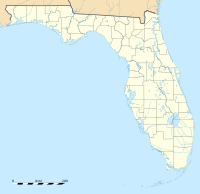
| Demographic data for Florida | ||
|---|---|---|
| Florida | U.S. | |
| Total population: | 20,244,914 | 316,515,021 |
| Land area (sq mi): | 53,625 | 3,531,905 |
| Race and ethnicity** | ||
| White: | 76% | 73.6% |
| Black/African American: | 16.1% | 12.6% |
| Asian: | 2.6% | 5.1% |
| Native American: | 0.3% | 0.8% |
| Pacific Islander: | 0.1% | 0.2% |
| Two or more: | 2.4% | 3% |
| Hispanic/Latino: | 23.7% | 17.1% |
| Education | ||
| High school graduation rate: | 86.9% | 86.7% |
| College graduation rate: | 27.3% | 29.8% |
| Income | ||
| Median household income: | $47,507 | $53,889 |
| Persons below poverty level: | 19.8% | 11.3% |
| Source: U.S. Census Bureau, "American Community Survey" (5-year estimates 2010-2015) Click here for more information on the 2020 census and here for more on its impact on the redistricting process in Florida. **Note: Percentages for race and ethnicity may add up to more than 100 percent because respondents may report more than one race and the Hispanic/Latino ethnicity may be selected in conjunction with any race. Read more about race and ethnicity in the census here. | ||
Presidential voting pattern[edit]
- See also: Presidential voting trends in Florida
Florida voted Republican in three out of the five presidential elections between 2000 and 2016.
Pivot Counties (2016)
Ballotpedia identified 206 counties that voted for Donald Trump (R) in 2016 after voting for Barack Obama (D) in 2008 and 2012. Collectively, Trump won these Pivot Counties by more than 580,000 votes. Of these 206 counties, four are located in Florida, accounting for 1.94 percent of the total pivot counties.[84]
Pivot Counties (2020)
In 2020, Ballotpedia re-examined the 206 Pivot Counties to view their voting patterns following that year's presidential election. Ballotpedia defined those won by Trump won as Retained Pivot Counties and those won by Joe Biden (D) as Boomerang Pivot Counties. Nationwide, there were 181 Retained Pivot Counties and 25 Boomerang Pivot Counties. Florida had three Retained Pivot Counties and one Boomerang Pivot County, accounting for 1.66 and 4.00 percent of all Retained and Boomerang Pivot Counties, respsectively.
More Florida coverage on Ballotpedia
- Elections in Florida
- United States congressional delegations from Florida
- Public policy in Florida
- Influencers in Florida
- Florida fact checks
- More...
See also[edit]


External links[edit]
Support[edit] |
Opposition[edit] |
Footnotes[edit]
- ↑ Counties could add additional early voting days from October 22 through October 26 and/or November 4.
- ↑ Counties could add additional early voting days from October 22 through October 26 and/or November 4.
- ↑ News-Journal Online, "Judge rejects challenge to greyhound racing ban," accessed April 29, 2020
- ↑ WUFT.org, "Dog Racing Supporters Challenge Constitutionality Of Amendment 13 In Federal Lawsuit," accessed April 29, 2020
- ↑ News 4 Jax, "Greyhound racing ban faces revised lawsuit in Florida," accessed May 12, 2020
- ↑ Jacksonville Business Journal, "Challenge to ban on greyhound racing is shot down," accessed June 16, 2020
- ↑ Law.com, "Federal Appeals Court Rejects Challenge to Greyhound Racing Ban," August 13, 2021
- ↑ 8.0 8.1 8.2 8.3 Florida Constitution Revision Commission, "Proposal 6012," accessed April 16, 2018
- ↑ GREY2K USA, "Greyhound Racing in the United States," accessed April 24, 2018
- ↑ 10.0 10.1 10.2 10.3 Florida Senate Committee on Regulated Industries, "Legalized Gambling in Florida - the Competition in the Marketplace," November 2004
- ↑ 11.0 11.1 11.2 11.3 11.4 11.5 Florida Division of Elections, "Campaign Finance Database," accessed December 11, 2018
- ↑ Grey2k USA Worldwide, "About," accessed July 4, 2018
- ↑ 13.0 13.1 13.2 13.3 13.4 13.5 13.6 Note: This text is quoted verbatim from the original source. Any inconsistencies are attributable to the original source. Cite error: Invalid
<ref>tag; name "quotedisclaimer" defined multiple times with different content Cite error: Invalid<ref>tag; name "quotedisclaimer" defined multiple times with different content Cite error: Invalid<ref>tag; name "quotedisclaimer" defined multiple times with different content Cite error: Invalid<ref>tag; name "quotedisclaimer" defined multiple times with different content Cite error: Invalid<ref>tag; name "quotedisclaimer" defined multiple times with different content - ↑ Protect Dogs, "Home," accessed July 8, 2018
- ↑ Protect Dogs, "About," accessed July 8, 2018
- ↑ 16.0 16.1 Cite error: Invalid
<ref>tag; no text was provided for refs namedsupport - ↑ Democratic Progressive Caucus of Florida, "2018 Ballot Amendments Recommendations," accessed October 14, 2018
- ↑ TBYR, "2018 Florida Constitutional Amendments Recommendations," accessed November 1, 2018
- ↑ 19.0 19.1 19.2 Click Orlando, "Florida voters to decide fate of greyhound racing," accessed July 21, 2018
- ↑ Cite error: Invalid
<ref>tag; no text was provided for refs namedwomen - ↑ YouTube, "Protect Dogs- Yes on 13 YouTube Channel," accessed October 8, 2018
- ↑ Support Greyhounds, "About," accessed July 8, 2018
- ↑ 23.0 23.1 Florida Politics, "Over 60 greyhound adoption groups oppose racing ban," accessed August 1, 2018
- ↑ Ballotpedia staff, email communication with member of Committee to Support Greyhounds, October 17, 2018
- ↑ Greyhound Adopters 4 Racing, "81 Adoption Groups Say No to 13," accessed October 19, 2018
- ↑ Libertarian Party of Florida, "LPF Voting Recommendations for the 2018 FL Ballot," accessed October 19, 2018
- ↑ Florida Taxwatch, "2018 Florida Voter Guide," accessed October 19, 2018
- ↑ Brevard Kennel Club, "Home," accessed October 19, 2018
- ↑ Palm Beach GOP on Facebook, October 18, 2018, 11:40 am Facebook post, accessed October 19, 2018
- ↑ The Lexus Project on Facebook, "Home," accessed October 19, 2018
- ↑ Tampa Bay Downs, "Home," accessed October 19, 2018
- ↑ Florida Family Action, "2018 Ballot Amendment Voter Guide," accessed October 19, 2018
- ↑ UKC Dogs, "UKC Opposes Amendment 13 in Florida," accessed October 19, 2018
- ↑ 34.0 34.1 34.2 34.3 American Kennel Club, "Florida Court Ruling: Amendment to Ban Greyhound Racing Will Be on State Ballot in November," accessed October 19, 2018
- ↑ Clean Constitution, "Home," accessed Octiber 19, 2018
- ↑ Jacksonville DFA on Facebook, "Home," accessed October 19, 2018
- ↑ Sunshine State News, "OPPOSE Constitutional Amendment 13," accessed October 19, 2018
- ↑ Support Greyhounds, "Truth," accessed July 8, 2018
- ↑ Support Greyhounds, "About racing greyhounds," accessed July 8, 2018
- ↑ Greyhound Adopters for Racing, "A global community of greyhound advocates," accessed August 1, 2018
- ↑ News 4 Jax, "Anti-racing advocates call attention to greyhound hauling," accessed July 24, 2018
- ↑ YouTube, "Committee to Support Greyhounds YouTube Channel," accessed October 19, 2018
- ↑ Sun Sentinel, "Five good — seven bad — amendments for Florida’s Constitution | Editorial," accessed October 8, 2018
- ↑ Naples News, "Editorial: Our recommendations on gambling-related amendments," accessed October 10, 2018
- ↑ Palm Beach Post, "Editorial: Reject ‘bundled’ amendments 6, 7 and 10 offered by CRC," accessed October 13, 2018
- ↑ Jacksonville, "Editorial: Sorting out confusing amendments for the voters," accessed October 15, 2018
- ↑ Herald Tribune, "Editorial: Amendments 10, 11, 12, 13," accessed October 18, 2018
- ↑ Daily Commercial, "Our Opinion: Our recommendations on the amendments," accessed October 23, 2018
- ↑ The Independent Florida Alligator, "The Alligator's endorsements for Constitutional amendments and referenda," accessed October 31, 2018
- ↑ The Orlando Sentinel, "Editorial: Florida's Election 2018: Our endorsements for governor, U.S. Senate, U.S. House and the amendments," accessed October 31, 2018
- ↑ Miami Herald, "Learn how 12 Florida amendments affect your life, and your wallet, before you vote," accessed November 4, 2018
- ↑ News-Press, "Editorial: Proposed amendments too much of a gamble; vote 'no' on 11 of them," accessed October 8, 2018
- ↑ Tampa Bay Times, "Times recommends: Vote yes on Amendment 4, no on all of the rest," accessed October 8, 2018
- ↑ Tallahassee Democrat, "Florida's constitutional amendments: Vote 'yes' on 4 and 11, 'no' on rest | Our opinion," accessed October 12, 2018
- ↑ Your Observer, "A look at the rest of the questions on the ballot," accessed October 13, 2018
- ↑ Treasure Coast Palm, "How to vote on 12 constitutional amendments on Nov. 6 ballot | Our view," accessed October 13, 2018
- ↑ Grey2k USA Worldwide, "About," accessed July 4, 2018
- ↑ Sunshine State News, "Poll Points to Trouble for Many Ballot Proposals," accessed July 24, 2018
- ↑ GREY2K USA, "Greyhound Racing in the United States," accessed April 24, 2018
- ↑ Bureau of Indiana Affairs, "Class III Gaming Compact Approved for Seminole Tribe of Florid," July 7, 2010
- ↑ Miami Herald, "Deal: Florida Gov. Rick Scott signs $3 billion gambling compact with Seminole Tribe," December 7, 2015
- ↑ Politifact, "New gaming compact offers Florida biggest guaranteed share of any state, Seminoles say," February 11, 2016
- ↑ Florida Politics, "Blackjack cash bolsters state budget," November 14, 2017
- ↑ Florida Department of State, "Amendment 4," accessed December 8, 2017
- ↑ CBS Miami, "Florida Supreme Court Rules Against Slot Machines," May 18, 2017
- ↑ 66.0 66.1 66.2 Florida Constitution Revision Commission, "Proposal 6012 Overview," accessed April 16, 2018
- ↑ Florida Constitution Revision Commission, "Proposal 6012 Vote," April 16, 2018
- ↑ Stargel was a subsititute commissioner for Jose “Pepe” Armas
- ↑ Florida Constitution Revision Commission, "Proposal 67," accessed April 16, 2018
- ↑ [miamiherald.typepad.com/files/fga-v-secretary-of-state-complaint.docx Miami Herald, "FGA vs. FL Sec State Court Filing," accessed July 15, 2018]
- ↑ Sun Sentinel, "Greyhound association sues over amendment to ban dog racing," accessed July 15, 2018
- ↑ News 4 Jax, "Trial canceled for greyhound amendment suit," accessed July 21, 2018
- ↑ 73.0 73.1 Flagler Live, "Judge Throws Dog Racing Ban Off November Ballot, Calling It “Outright Trickeration”," accessed August 2, 2018
- ↑ The Capitolist, "Circuit court judge strikes down amendment that would ban dog racing in Florida," accessed August 2, 2018
- ↑ Florida Politics, "Plaintiffs, defendants request greyhound racing ban case ‘pass through’ to Supreme Court," accessed August 6, 2018
- ↑ Florida Watchdog, "Amendment 8 struck, three others stay on ballot," accessed September 8, 2018
- ↑ Florida Secretary of State, "FAQ - Voting," accessed October 17, 2019
- ↑ 78.0 78.1 Florida Division of Elections, "National Voter Registration Act (NVRA)," accessed October 6, 2019
- ↑ 79.0 79.1 Florida Division of Elections, "Register to Vote or Update your Information," accessed October 6, 2019
- ↑ Florida Division of Elections, "Election Day Voting," accessed September 29, 2019
- ↑ 81.0 81.1 Florida Division of Elections, "Florida History: Voter ID at the Polls," accessed September 29, 2019
- ↑ National Conference of State Legislatures, "Voter Identification Requirements|Voter ID Laws," June 5, 2017
- ↑ The Washington Post, "Do I need an ID to vote? A look at the laws in all 50 states," October 27, 2014
- ↑ The raw data for this study was provided by Dave Leip of Atlas of U.S. Presidential Elections.
 |
State of Florida Tallahassee (capital) |
|---|---|
| Elections |
What's on my ballot? | Elections in 2021 | How to vote | How to run for office | Ballot measures |
| Government |
Who represents me? | U.S. President | U.S. Congress | Federal courts | State executives | State legislature | State and local courts | Counties | Cities | School districts | Public policy |
Categories: [Ordering category]
↧ Download as ZWI file | Last modified: 12/24/2021 03:03:22 | 13 views
☰ Source: https://ballotpedia.org/Florida_Amendment_13,_Ban_on_Wagering_on_Dog_Races_Amendment_(2018) | License: CC BY-SA 3.0
 ZWI signed:
 KSF
KSF