United States Senate Election In Arizona, 2018
 From Ballotpedia
- General election: Nov. 6
- Voter registration deadline: Oct. 9
- Early voting: Oct. 10 - Nov. 2
- Absentee voting deadline: Postmark Nov. 6
- Online registration: Yes
- Same-day registration: No
- Voter ID: Non-photo ID
- Poll times: 6:00 a.m. to 7:00 p.m.
2022 →
← 2016
|
| U.S. Senate, Arizona |
|---|
 |
| Democratic primary Republican primary General election |
| Election details |
| Filing deadline: May 30, 2018 |
| Primary: August 28, 2018 General: November 6, 2018 Pre-election incumbent: Jeff Flake (Republican) Election winner: Kyrsten Sinema (Democrat) |
| How to vote |
| Poll times: 6 a.m. to 7 p.m. Voting in Arizona |
| Race ratings |
Inside Elections: Toss-up Sabato's Crystal Ball: Toss-up |
| Ballotpedia analysis |
| U.S. Senate battlegrounds U.S. House battlegrounds Federal and state primary competitiveness Ballotpedia's Election Analysis Hub, 2018 |
| See also |
U.S. Senate • 1st • 2nd • 3rd • 4th • 5th • 6th • 7th • 8th • 9th • 8th (special) Arizona elections, 2018 U.S. Congress elections, 2018 U.S. Senate elections, 2018 U.S. House elections, 2018 |
U.S. Rep. Kyrsten Sinema (D) defeated U.S. Rep. Martha McSally (R) in the general election for U.S. Senate in Arizona on November 6, 2018. Sinema's victory was the closest U.S. Senate election in the state since former Sen. Barry Goldwater (R) won re-election to his third and final term by fewer than 10,000 votes over Democrat Bill Schulz in 1980.[1][2]
Incumbent Sen. Jeff Flake (R), who was first elected in 2012, did not seek re-election.[3]
Angela Green (G) appeared on the ballot, but she withdrew from the race and endorsed Sinema on November 1, 2018.[4]
A Democratic victory in this race was considered critical to the party potentially taking control of the chamber. "The Democratic path to a majority in the Senate is narrow and fraught, and if it exists at all, it runs through Arizona, a conservative state that last sent a Democrat to the upper chamber 30 years ago," The Hill reported.[5]
Thirty-five of the 100 seats in the United States Senate were up for election in 2018, including two seats up for special election. Republicans gained four previously Democratic-held seats and Democrats gained two previously Republican-held seats, resulting in a net gain of two seats for the Republican Party and a 53-seat majority in the chamber. This race was identified as a 2018 battleground that might have affected partisan control of the chamber in the 116th Congress. At the time of the election, Republicans held a 51-seat Senate majority. Democrats held 47 seats, and the two independents caucused with them. Democrats faced greater partisan risk in 2018, as they were defending 26 seats while Republicans were only defending nine. Democrats had to defend seats in 10 states Donald Trump (R) won. The GOP defended one Senate seat in a state Hillary Clinton (D) won.
The race was rated a toss-up by three outlets. The open seat, the state's growing Latino population, and President Donald Trump's (R) four-point margin of victory in the 2016 presidential election made this a competitive election.[6][7]
 For more information about the Democratic primary, click here.
 For more information about the Republican primary, click here.
Candidates and election results[edit]
Note: Angela Green (G) withdrew from the race on November 1, 2018, but still appeared on the ballot.
General election
General election for U.S. Senate Arizona
Kyrsten Sinema defeated Martha McSally and Angela Green in the general election for U.S. Senate Arizona on November 6, 2018.
Candidate | % | Votes | ||
| ✔ |  | Kyrsten Sinema (D) | 50.0 | 1,191,100 |
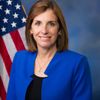 | Martha McSally (R) | 47.6 | 1,135,200 | |
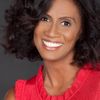 | Angela Green (G) | 2.4 | 57,442 | |
| Other/Write-in votes | 0.0 | 566 | ||
| Total votes: 2,384,308 (100.00% precincts reporting) | |||
 = candidate completed the Ballotpedia Candidate Connection survey. = candidate completed the Ballotpedia Candidate Connection survey. | ||||
| If you are a candidate and would like to tell readers and voters more about why they should vote for you, complete the Ballotpedia Candidate Connection Survey. | ||||
Do you want a spreadsheet of this type of data? Contact our sales team. | ||||

Democratic primary election
Democratic primary for U.S. Senate Arizona
Kyrsten Sinema defeated Deedra Abboud in the Democratic primary for U.S. Senate Arizona on August 28, 2018.
Candidate | % | Votes | ||
| ✔ | | Kyrsten Sinema | 79.3 | 404,170 |
 | Deedra Abboud | 20.7 | 105,800 | |
| Total votes: 509,970 | |||
| = candidate completed the Ballotpedia Candidate Connection survey. | ||||
| If you are a candidate and would like to tell readers and voters more about why they should vote for you, complete the Ballotpedia Candidate Connection Survey. | ||||
Do you want a spreadsheet of this type of data? Contact our sales team. | ||||
Withdrawn or disqualified candidates
- David Ruben (D)
- Bob Bishop (D)
- Cheryl Fowler (D)
- Richard Sherzan (D)
- Chris Russell (D)
Republican primary election
Republican primary for U.S. Senate Arizona
Martha McSally defeated Kelli Ward and Joe Arpaio in the Republican primary for U.S. Senate Arizona on August 28, 2018.
Candidate | % | Votes | ||
| ✔ | | Martha McSally | 54.6 | 357,626 |
 | Kelli Ward | 27.6 | 180,926 | |
 | Joe Arpaio | 17.8 | 116,555 | |
| Total votes: 655,107 | |||
| = candidate completed the Ballotpedia Candidate Connection survey. | ||||
| If you are a candidate and would like to tell readers and voters more about why they should vote for you, complete the Ballotpedia Candidate Connection Survey. | ||||
Do you want a spreadsheet of this type of data? Contact our sales team. | ||||
Withdrawn or disqualified candidates
- Craig Brittain (R)
- Nicholas Tutora (R)
- Christian Diegel (R)
- Michelle Griffin (R)
Green primary election
No Green candidates ran in the primary.
Withdrawn or disqualified candidates
Libertarian primary election
No Libertarian candidates ran in the primary.
Withdrawn or disqualified candidates
- Doug Marks (L)
Candidate profiles[edit]



Party: Democratic
Incumbent: No
Political office: U.S. House, Arizona's 9th Congressional District (assumed office: 2013); Arizona State Senate (2011-2012); Arizona House of Representatives (2005-2011)
Biography: After receiving a master's degree in social work and a J.D. from Arizona State University, Sinema worked as an adjunct professor and a faculty member for the Center for Progressive Leadership. She was first elected to the state legislature in 2004 and the U.S. House of Representatives in 2012.[8][9]
- Sinema presented herself as an independent voice in Congress committed to bipartisan solutions. She was the third-most bipartisan member of Congress, according to a GovTrack.us analysis of the 114th Congress.[10][11]
- Sinema identified access to quality healthcare, veterans benefits, job growth, and national security as policy priorities.[9] She pointed to her experience coming from a military family and cosponsorship of the VA MISSION Act—which she said helped improve veterans' access to healthcare—as examples of her commitment to veterans and the military.[11][12]
- Sinema said she experienced homelessness and poverty in her childhood. She shared her personal experiences when discussing education, job training, and overcoming adversity.[13]
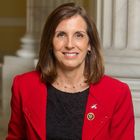
Party: Republican
Incumbent: No
Political office: U.S. House, Arizona's 2nd Congressional District
Biography: McSally graduated from the U.S. Air Force Academy and served in the Air Force for 26 years before retiring in 2010 as a colonel. She also earned a master's degree in public policy from the John F. Kennedy School of Government at Harvard University and a master's degree in strategic studies from the U.S. Air War College.[14] She served as a professor of National Security Studies at the George C. Marshall Center in Germany and was elected to Congress in 2014.[14][15]
- McSally highlighted her military service, including being the first woman in U.S. history to fly a fighter jet in combat and the first woman to command a fighter squadron.[16][17]
- McSally pointed to her legislative focus on veterans and the military—including helping to fund the A-10 Warthog and authoring legislation to prioritize veterans for border security jobs—as a show of her accomplishments and focus on national security.[16]
- McSally characterized Sinema as misunderstanding national security and disrespecting the military because of anti-war protests she engaged in following the September 11 terrorist attacks.[17][18]
Polls[edit]
- See also: Ballotpedia's approach to covering polls
| U.S. Senate election in Arizona, General election: Sinema vs. McSally | |||||||||||||||||||
|---|---|---|---|---|---|---|---|---|---|---|---|---|---|---|---|---|---|---|---|
| Poll | Poll sponsor | Sinema |
McSally | Other/Undecided | Margin of error | Sample size | |||||||||||||
| ABC 15/OH Predictive Insights November 2-3, 2018 | N/A | 48% | 49% | 3% | +/-3.9 | 631 | |||||||||||||
| Trafalgar Group October 30-November 1, 2018 | N/A | 50% | 47% | 3% | +/-2.1 | 2,166 | |||||||||||||
| Vox Populi Polling October 27-30, 2018 | N/A | 52% | 48% | 0% | +/-3.7 | 677 | |||||||||||||
| Fox News October 27-29, 2018 | N/A | 46% | 46% | 8% | +/-3.5 | 643 | |||||||||||||
| CNN/SSRS October 24-29, 2018 | N/A | 51% | 47% | 2% | +/-4.4 | 702 | |||||||||||||
| HighGround Public Affairs October 26-28, 2018 | N/A | 45% | 47% | 9% | +/-4.9 | 400 | |||||||||||||
| NBC News/Marist October 23-27, 2018 | N/A | 50% | 44% | 6% | +/-5.4 | 506 | |||||||||||||
| Reuters/Ipsos/UVA Center for Politics September 17-26, 2018 | N/A | 46% | 48% | 6% | +/-4.0 | 799 | |||||||||||||
| ABC 15/OH Predictive Insights October 22-23, 2018 | N/A | 45% | 52% | 3% | +/-4.0 | 600 | |||||||||||||
| AVERAGES | 48.11% | 47.56% | 4.44% | +/-3.99 | 791.56 | ||||||||||||||
| Note: The polls above may not reflect all polls that have been conducted in this race. Those displayed are a random sampling chosen by Ballotpedia staff. If you would like to nominate another poll for inclusion in the table, send an email to editor@ballotpedia.org. | |||||||||||||||||||
| Click [show] to see older poll results | |||||||||||||||||||||||||||||||||||||||||||||||||||||||||||||||||||||||||||||||||||||||||||||||||||||||||||||||||||||||||||||||||||||||||||||||||||||||||||||||||||||||||||||||||||||||||||||||||||||||||||||||||||||||||||||||||||||||||||||||||||||||||||||||||||||||
|---|---|---|---|---|---|---|---|---|---|---|---|---|---|---|---|---|---|---|---|---|---|---|---|---|---|---|---|---|---|---|---|---|---|---|---|---|---|---|---|---|---|---|---|---|---|---|---|---|---|---|---|---|---|---|---|---|---|---|---|---|---|---|---|---|---|---|---|---|---|---|---|---|---|---|---|---|---|---|---|---|---|---|---|---|---|---|---|---|---|---|---|---|---|---|---|---|---|---|---|---|---|---|---|---|---|---|---|---|---|---|---|---|---|---|---|---|---|---|---|---|---|---|---|---|---|---|---|---|---|---|---|---|---|---|---|---|---|---|---|---|---|---|---|---|---|---|---|---|---|---|---|---|---|---|---|---|---|---|---|---|---|---|---|---|---|---|---|---|---|---|---|---|---|---|---|---|---|---|---|---|---|---|---|---|---|---|---|---|---|---|---|---|---|---|---|---|---|---|---|---|---|---|---|---|---|---|---|---|---|---|---|---|---|---|---|---|---|---|---|---|---|---|---|---|---|---|---|---|---|---|---|---|---|---|---|---|---|---|---|---|---|---|---|---|---|---|---|---|---|---|---|---|---|---|---|---|---|---|---|---|---|---|---|
| |||||||||||||||||||||||||||||||||||||||||||||||||||||||||||||||||||||||||||||||||||||||||||||||||||||||||||||||||||||||||||||||||||||||||||||||||||||||||||||||||||||||||||||||||||||||||||||||||||||||||||||||||||||||||||||||||||||||||||||||||||||||||||||||||||||||
PredictIt Prices[edit]
This section provides the PredictIt market prices for this race during the three months leading up to the election. PredictIt is a site where people make and trade predictions on political and financial events. Market prices reflect the probability, based on PredictIt users' predictions, that a candidate will win a race. For example, a market price of $0.60 for Candidate A is equivalent to a 60 percent probability that Candidate A will win.
Campaign finance[edit]
The chart below contains data from financial reports submitted to the Federal Election Commission.
| Name | Party | Receipts* | Disbursements** | Cash on hand | Date |
|---|---|---|---|---|---|
| Kyrsten Sinema | Democratic Party | $0 | $0 | $0 | Data not available*** |
| Martha McSally | Republican Party | $21,876,370 | $20,952,576 | $923,794 | As of December 31, 2018 |
| Angela Green | Green Party | $0 | $0 | $0 | Data not available*** |
|
Source: Federal Elections Commission, "Campaign finance data," . This product uses the openFEC API but is not endorsed or certified by the Federal Election Commission (FEC).
* According to the FEC, "Receipts are anything of value (money, goods, services or property) received by a political committee." |
|||||
Satellite spending[edit]
Satellite spending, commonly referred to as outside spending, describes political spending not controlled by candidates or their campaigns; that is, any political expenditures made by groups or individuals that are not directly affiliated with a candidate. This includes spending by political party committees, super PACs, trade associations, and 501(c)(4) nonprofit groups.[19][20][21]
This section lists satellite spending in this race reported by news outlets in alphabetical order. If you are aware of spending that should be included, please email us.
- America First Action reported it was spending $350,000 on phone, digital, and mail campaigns for McSally in October 2018.[22]
- The American Civil Liberties Union (ACLU) spent $300,000 on English- and Spanish-language ads criticizing the immigration policies of Arpaio, McSally, and Ward.[23]
- Defend Arizona spent more than $1 million on an ad campaign against Sinema in September 2018.[24] The group spent another $1.1 million on an ad defending McSally on her healthcare policy in October 2018.[25]
- The Democratic Senatorial Campaign Committee reserved $5 million in ads beginning late September 2018.[26]
- EMILY's List spent $139,000 on an ad opposing McSally in September 2018.[27]
- Majority Forward spent $434,000 on ads running from August 31 through September 10, 2018.[26] In October 2018, Majority Forward and VoteVets made a $1 million ad buy criticizing McSally for her healthcare policy.[28]
- The National Republican Senatorial Committee reserved $2.1 million in ad time to run from Labor Day through mid-October 2018.[26]
- One Nation spent $700,000 on an ad campaign running from August 30 through September 5, 2018.[26]
- Red and Gold, a Democratic group formed in August 2018, spent $815,000 on an ad campaign against McSally.[29]
Race ratings[edit]
Ballotpedia provides race ratings from four outlets: The Cook Political Report, Inside Elections, Sabato's Crystal Ball, and DDHQ/The Hill. Each race rating indicates if one party is perceived to have an advantage in the race and, if so, the degree of advantage:
- Safe and Solid ratings indicate that one party has a clear edge and the race is not competitive.
- Likely ratings indicate that one party has a clear edge, but an upset is possible.
- Lean ratings indicate that one party has a small edge, but the race is competitive.[30]
- Toss-up ratings indicate that neither party has an advantage.
Race ratings are informed by a number of factors, including polling, candidate quality, and election result history in the race's district or state.[31][32][33]
| Race ratings: U.S. Senate election in Arizona, 2018 | |||||||||
|---|---|---|---|---|---|---|---|---|---|
| Race tracker | Race ratings | ||||||||
| October 30, 2018 | October 23, 2018 | October 16, 2018 | October 9, 2018 | ||||||
| The Cook Political Report | Toss-up | Toss-up | Toss-up | Toss-up | |||||
| Inside Elections with Nathan L. Gonzales | Toss-up | Toss-up | Toss-up | Toss-up | |||||
| Larry J. Sabato's Crystal Ball | Toss-up | Toss-up | Toss-up | Toss-up | |||||
| Note: Ballotpedia updates external race ratings every two weeks throughout the election season. | |||||||||
Campaign advertisements[edit]
This section shows advertisements released in this race. Ads released by campaigns and, if applicable, satellite groups are embedded or linked below. If you are aware of advertisements that should be included, please email us.
Kyrsten Sinema[edit]
Support[edit]
|
|
|
|
|
|
|
Oppose[edit]
|
|
|
|
|
|
|
|
|
|
|
Martha McSally[edit]
Support[edit]
|
|
|
|
|
|
Oppose[edit]
|
|
|
|
|
|
|
|
|
Noteworthy endorsements[edit]
This section lists noteworthy endorsements issued in this election, including those made by high-profile individuals and organizations, cross-party endorsements, and endorsements made by newspaper editorial boards. It also includes a bulleted list of links to official lists of endorsements for any candidates who published that information on their campaign websites. Please note that this list is not exhaustive. If you are aware of endorsements that should be included, please click here.
| Noteworthy general election endorsements | ||||||
|---|---|---|---|---|---|---|
| Endorsement | Kyrsten Sinema
|
Martha McSally
| ||||
| Elected officials | ||||||
| Former President Barack Obama (D) | ✔ | |||||
| President Donald Trump (R) | ✔ | |||||
Debates and forums[edit]
October 15, 2018, debate[edit]
Sinema and McSally debated on October 15, 2018, at the Walter Cronkite School of Journalism and Mass Communication at Arizona State University. The candidates discussed the Trump administration, Brett Kavanaugh's nomination to the Supreme Court, and healthcare, among other issues.[34]
- Find the Arizona Daily Star round-up of the debate here.
- Find the Hill round-up of the debate here.
- Find the Roll Call' round-up of the debate here.
|
Campaign themes[edit]
These were the policy positions listed on the top candidates' websites.
Kyrsten Sinema[edit]
| “ |
FIXING A DYSFUNCTIONAL WASHINGTON Arizonans know Washington is dysfunctional. Too many politicians are more concerned about the next election than doing what’s best for everyday people. Many think the rules we all follow don’t apply to them. Not Kyrsten. Kyrsten was ranked the third most independent member of Congress. Kyrsten supports the No Budget, No Pay bill that says if Congress doesn’t pass a budget, they shouldn’t get paid. She voted against her own pay raise and cosponsored legislation to dock pay for members of Congress who engage in bad behavior. She also worked across the aisle to introduce the Cut The Perks Act, a bill that holds political appointees accountable for misusing taxpayer dollars and requires them to pay back illegally spent funds. Arizonans know neither party is right all the time and Congress needs to work together to get things done. We believe that delivering results is more important than scoring political points. That’s why Kyrsten will work with anyone – regardless of party – who’s serious about getting things done for everyday Arizonans. QUALITY, AFFORDABLE HEALTH CARE FOR ALL ARIZONANS Growing up, Kyrsten’s family struggled to make ends meet and, for a while, they didn’t have health insurance. That experience helped shape Kyrsten’s belief that no child should ever go without a doctor, and no family should be forced to choose between getting the care they need and paying their bills. It’s why she voted against health care repeal that would have stripped coverage from hundreds of thousands of Arizonans, sent premiums skyrocketing for older patients and those with pre–existing conditions, and cut billions in funding from AHCCCS, worsening the opioid epidemic in Arizona. Kyrsten knows our health care system is broken, but she believes we should work together to fix the problems – not simply repeal everything without real solutions. Kyrsten is committed to making sure Arizonans have access to more health care choices, low–cost prescription drugs, and high–quality, dependable coverage. As one of the most independent–minded members of Congress, she’s committed to working with anyone – regardless of party – to get it done. SUPPORTING OUR VETERANS AND FIXING THE VA Kyrsten comes from a military family – one brother is a Marine and the other is an active duty Sailor – so for her, honoring our commitments to veterans is personal. Kyrsten believes taking care of our active duty military and veterans is one of the most important obligations we have as Americans. Every American who wears the uniform deserves our respect and full support, both on the battlefield and when he or she returns home. When Kyrsten learned the Phoenix VA was failing to provide adequate care for Arizona veterans, she stood up for those who defend our freedoms and took on the VA to make sure no veteran is left without the care he or she needs. Kyrsten worked across the aisle to improve health care for veterans, expand educational opportunities, and hold the VA accountable. She cosponsored the VA MISSION Act to help ensure Arizona veterans have access to the high-quality health care they deserve, where and when they need it. The VA MISSION Act was signed into law in June 2018. Kyrsten has also supported our veterans by hosting Boots to Books resource fairs to connect them with the educational opportunities they need to start their next careers. As an independent voice for Arizona, Kyrsten will keep fighting to make sure every veteran gets the benefits he or she has earned. KEEPING ARIZONA FAMILIES SAFE Kyrsten knows there’s nothing more important than keeping Arizona families safe. That’s why she’s worked to keep our military strong and fully funded, pushed for aggressive action to defeat ISIS and other overseas threats, and supported law enforcement here at home. Kyrsten believes we need a strong, smart strategy to defeat terrorism. That means destroying terrorists abroad and stopping terrorists from entering our country. Kyrsten has fought to cut off terrorist groups from the illicit revenue they count on. She has passed laws to make sure the United States has an effective plan to keep money out of the hands of terrorists and to cut off oil revenue to ISIS. Arizona has a proud military tradition, and servicemembers and veterans are a vital part of our communities. That’s why Kyrsten has worked to save military jobs here in Arizona and voted to increase funding for our military bases and give servicemembers a pay raise. In the Senate, she’ll continue working to ensure our troops have everything they need to keep us safe and free. KEEPING OUR PROMISES TO SENIORS Kyrsten knows how important it is to keep our promises to seniors. She understands that Medicare and Social Security aren’t line items in a budget for politicians to cut – they’re benefits Arizonans have earned through a lifetime of hard work. Kyrsten is committed to protecting benefits for current seniors and future generations, and she refuses to cut Medicare and Social Security or raise the retirement age. Kyrsten is working to root out waste, fraud, and abuse in the system to strengthen Social Security and Medicare. She’s also protected seniors’ hard-earned savings from financial fraud by introducing bills like the Senior Safe Act, which was signed into law in 2018. After a lifetime of hard work, Arizonans deserve to retire with dignity. Kyrsten is committed to making sure our seniors get the respect and security they deserve. CREATING GOOD JOBS AND GROWING ARIZONA’S ECONOMY Kyrsten knows that for Arizona to thrive, we have to build an economy that works for everyone. She’s worked across the aisle to help create good-paying jobs, cut red tape for small businesses, and grow Arizona’s economy. Kyrsten is committed to closing the gender pay gap because making sure every Arizonan gets equal pay for equal work is critical to our state’s economic success. Kyrsten believes supporting Arizona businesses is key to creating jobs and helping our communities thrive. In recognition of her support for Arizona businesses, Kyrsten has received the Chamber of Commerce’s Spirit of Enterprise award every year she has served Arizona in Congress. Kyrsten is committed to helping Arizonans thrive all across our state. She’s worked across the aisle to help family farmers, supported expanding rural broadband, and fought to protect community health centers that are so vital to rural Arizona. Kyrsten went through tough times as a kid and education was her ticket to a better life. Kyrsten understands education is the key to economic opportunity and must be supported at all levels. That’s why Kyrsten worked with Senator John McCain to protect $3.5 billion in school funding for Arizona. She has also worked across the aisle to make college and skills training more affordable. Kyrsten is committed to making sure all Arizonans have the skills they need to succeed in the 21st century workforce. COMMONSENSE IMMIGRATION REFORM Arizonans understand that Washington’s failure to act on immigration has hurt our economy and our communities. We want real solutions to fix this broken system, not just more partisan talk. Arizonans know that commonsense immigration solutions would secure our border, protect our DREAMers, keep families together, and strengthen Arizona’s economy. That’s why Kyrsten continues to work across the aisle on commonsense immigration solutions. Kyrsten is a cosponsor of the USA Act, a solution supported by both parties that invests in smart border security while providing permanent protection for Dreamers. Kyrsten is also a long-time supporter of the DREAM Act. DREAMers are hardworking Arizonans who serve in our military, graduate from our schools, and contribute to our economy. She believes they deserve to become citizens of the only country they’ve ever known. Kyrsten will continue working to fix the broken immigration system so we can keep Arizonans safe and our families strong. STANDING UP FOR WOMEN AND FAMILIES Kyrsten has always been a passionate advocate for women and families. Her first job was helping survivors of domestic violence, and she’s taken that dedication into public service. In Arizona, Kyrsten passed laws to increase penalties on sex traffickers and empower law enforcement to crack down on predators. Kyrsten stood up for kids by working with her colleagues across the aisle to expand the critically important AMBER Alert system to tribal lands in Arizona and across the U.S. She also successfully led a bipartisan effort to reauthorize the Violence Against Women Act. Kyrsten believes a woman, her family, and her doctor should decide what’s best for her health – not Washington politicians. She stands up for women’s health clinics like Planned Parenthood and opposes efforts to let employers deny workers coverage for basic health care like birth control. Kyrsten believes women deserve equal pay for equal work, and she’s determined to help close the gender pay gap.[35] |
” |
| —Sinema for Senate[36] | ||
Martha McSally[edit]
No campaign themes were available on McSally's campaign website, as of September 14, 2018.
Social media[edit]
Twitter accounts[edit]
Tweets by kyrstensinema Tweets by marthamcsally
Facebook accounts[edit]
Click the icons below to visit the candidates' Facebook pages.
Kyrsten Sinema 
Martha McSally
Timeline[edit]
- November 1, 2018: Angela Green (G) withdrew from the race and endorsed Sinema. Green still appeared on the ballot.
- October 31, 2018: In six public opinion polls conducted between October 22 and October 29, Sinema and McSally traded the lead by single-digit margins. An OH Predictive Insights poll showed McSally with a 7-point lead, while an NBC News/Marist poll found Sinema leading by 6 percentage points.
- October 23, 2018: America First Action reported it was spending $350,000 on phone, digital, and mail campaigns for McSally.[22]
- October 19, 2018:
- In a New York Times/Siena College poll of 606 likely voters, McSally led Sinema by 2 percentage points, 48 percent to 46 percent. The margin of error was 4.2 percent.
- In a Data Orbital poll of 600 likely voters, Sinema led McSally by 6 percentage points, 47 percent to 41 percent. The margin of error was 4.0 percent.
- October 16, 2018: Majority Forward and VoteVets made a $1 million ad buy criticizing McSally for her healthcare policy.[28]
- October 15, 2018: Sinema and McSally debated at the Walter Cronkite School of Journalism and Mass Communication at Arizona State University. The candidates discussed the Trump administration, Brett Kavanaugh's nomination to the Supreme Court, and healthcare, among other issues.
- October 10, 2018: Former Republican presidential nominee Mitt Romney (R) and former President George W. Bush (R) were scheduled to campaign for McSally on October 12 and October 19, respectively.[37]
- October 9, 2018: Defend Arizona spent an additional $1.1 million on an ad campaign defending McSally on her healthcare policy.[25]
- October 2, 2018: The McSally campaign released an ad featuring Sen. Jon Kyl (R-Ariz.) praising McSally.
- October 1, 2018: Former President Barack Obama (D) endorsed Sinema as part of his second wave of 2018 endorsements.[38]
- September 30, 2018: Sinema released a campaign ad focused on her senior policy, including Social Security and Medicare.
- September 14, 2018: VoteVets.org spent $200,000 on an ad campaign opposing McSally.[39]
- September 12, 2018
- An OH Predictive Insights poll found McSally leading Sinema by 3 points, 49 percent to 46 percent, in a survey of 597 likely voters. The margin of error was 4.0 percent.[40]
- A Fox News poll found Sinema leading McSally by 3 points, 47 percent to 44 percent, in a survey of 710 likely voters. The margin of error was 3.5 percent.[41]
- September 10, 2018: The McSally campaign released an ad, "Lynn," featuring a U.S. Navy veteran saying she could not vote for Sinema.[42]
- June 26, 2018: NBC News released the results of a poll it conducted alongside Marist College. The poll, which was conducted between June 17 and June 21, asked 839 registered voters who they would support in hypothetical matchups between Kyrsten Sinema (D) and three Republican candidates. The poll found that in a matchup against Martha McSally (R), 49 percent of voters would back Sinema while 38 percent would back McSally. In a matchup against Joe Arpaio (R), 57 percent of voters would back Sinema and 32 percent would back Arpaio. In a matchup against Kelli Ward (R), 48 percent would back Sinema while 38 percent would back Ward.[43]
- April 9, 2018: Sinema launched an ad campaign featuring her brother, a police officer, with a $400,000 ad buy.[44]
- April 4, 2018: The National Republican Senatorial Committee released a Google ad campaign against Sinema for her vote against the Tax Cuts and Jobs Act.[45]
- March 21, 2018: Public Policy Polling released a poll finding Sinema leading McSally by 5 points, 46 percent to 41 percent, in a general election match.
- March 20, 2018: Sinema released two positive ads highlighting her CQ Magazine rating as the third-most independent member of Congress.
Other 2018 statewide elections[edit]
This race took place in one of twenty-two states that held elections for both governor and U.S. Senate in 2018.
A table of where these elections occurred, the names of incumbents prior to the 2018 elections, and links to our coverage of these races can be viewed by clicking "[show]" on the banner below:
Election history[edit]
2016[edit]
| Party | Candidate | Vote % | Votes | |
|---|---|---|---|---|
| Republican |  John McCain Incumbent John McCain Incumbent |
53.7% | 1,359,267 | |
| Democratic | Ann Kirkpatrick | 40.7% | 1,031,245 | |
| Green | Gary Swing | 5.5% | 138,634 | |
| N/A | Write-in | 0.1% | 1,584 | |
| Total Votes | 2,530,730 | |||
| Source: Arizona Secretary of State | ||||
2012[edit]
| Party | Candidate | Vote % | Votes | |
|---|---|---|---|---|
| Republican | Jeff Flake |
49.2% | 1,104,457 | |
| Democratic | Richard Carmona | 46.2% | 1,036,542 | |
| Libertarian | Marc Victor | 4.6% | 102,109 | |
| Independent | Steven Watts (Write-in) | 0% | 290 | |
| Independent | Don Manspeaker (Write-in) | 0% | 24 | |
| Total Votes | 2,243,422 | |||
| Source: Arizona Secretary of State "Official Election Results, 2012 General Election" | ||||
Wave election analysis[edit]
- See also: Wave elections (1918-2016)
The term wave election is frequently used to describe an election cycle in which one party makes significant electoral gains. How many seats would Republicans have had to lose for the 2018 midterm election to be considered a wave election?
Ballotpedia examined the results of the 50 election cycles that occurred between 1918 and 2016—spanning from President Woodrow Wilson's (D) second midterm in 1918 to Donald Trump's (R) first presidential election in 2016. We define wave elections as the 20 percent of elections in that period resulting in the greatest seat swings against the president's party.
Applying this definition to U.S. Senate elections, we found that Republicans needed to lose seven seats for 2018 to qualify as a wave election.
The chart below shows the number of seats the president's party lost in the 10 U.S. Senate waves from 1918 to 2016. Click here to read the full report.
| U.S. Senate wave elections | ||||||
|---|---|---|---|---|---|---|
| Year | President | Party | Election type | Senate seats change | Senate majority[46] | |
| 1932 | Hoover | R | Presidential | -13 | D (flipped) | |
| 1958 | Eisenhower | R | Second midterm | -12 | D | |
| 1946 | Truman | D | First midterm | -10 | R (flipped) | |
| 1980 | Carter | D | Presidential | -9 | R (flipped) | |
| 2014 | Obama | D | Second midterm | -9 | R (flipped) | |
| 1942 | Roosevelt | D | Third midterm | -8 | D | |
| 2008 | George W. Bush | D | Presidential | -8 | D | |
| 1926 | Coolidge | R | First midterm[47] | -7 | R | |
| 1930 | Hoover | R | First midterm | -7 | R | |
| 1986 | Reagan | R | Second midterm | -7 | D (flipped) | |
Pivot Counties[edit]
- See also: Pivot Counties by state
Pivot Counties are counties that voted for Barack Obama (D) in 2008 and 2012 and for Donald Trump (R) in 2016. Altogether, the nation had 206 Pivot Counties, with most being concentrated in upper midwestern and northeastern states. No counties in Arizona are Pivot Counties.
Donald Trump (R) defeated Hillary Clinton (D) in the 2016 presidential election. Trump won 48.7 percent of the vote, while Clinton won 45.1 percent. Arizona was one of 12 key battleground states in 2016. Of the 30 states won by Trump in 2016, Arizona had the fifth closest margin. From when it became a state in 1912 to 2016, Arizona voted Republican in 66.7 percent of presidential elections. It voted Republican in all presidential elections from 2000 to 2016.
Presidential results by legislative district[edit]
The following table details results of the 2012 and 2016 presidential elections by state House districts in Arizona. Click [show] to expand the table. The "Obama," "Romney," "Clinton," and "Trump" columns describe the percent of the vote each presidential candidate received in the district. The "2012 Margin" and "2016 Margin" columns describe the margin of victory between the two presidential candidates in those years. The "Party Control" column notes which party held that seat heading into the 2018 general election. Data on the results of the 2012 and 2016 presidential elections broken down by state legislative districts was compiled by Daily Kos.[48][49]
| In 2012, Barack Obama (D) won 12 out of 30 state House districts in Arizona with an average margin of victory of 25 points. In 2016, Hillary Clinton (D) won 14 out of 30 state House districts in Arizona with an average margin of victory of 27.5 points. Clinton won two districts controlled by Republicans heading into the 2018 elections. |
| In 2012, Mitt Romney (R) won 18 out of 30 state House districts in Arizona with an average margin of victory of 22.9 points. In 2016, Donald Trump (R) won 16 out of 30 state House districts in Arizona with an average margin of victory of 21.5 points. |
| 2016 presidential results by state House district | |||||||
|---|---|---|---|---|---|---|---|
| District | Obama | Romney | 2012 Margin | Clinton | Trump | 2016 Margin | Party Control |
| 1 | 30.1% | 68.2% | R+38.2 | 28.6% | 66.9% | R+38.3 | R |
| 2 | 57.2% | 41.6% | D+15.7 | 59.4% | 36.1% | D+23.2 | D |
| 3 | 70.0% | 28.1% | D+41.9 | 70.2% | 24.4% | D+45.8 | D |
| 4 | 54.3% | 44.2% | D+10.2 | 56.8% | 38.2% | D+18.7 | D |
| 5 | 28.1% | 70.0% | R+41.9 | 22.2% | 73.5% | R+51.3 | R |
| 6 | 42.2% | 55.6% | R+13.4 | 41.7% | 52.1% | R+10.4 | R |
| 7 | 63.2% | 35.4% | D+27.8 | 59.8% | 34.1% | D+25.7 | D |
| 8 | 44.7% | 53.5% | R+8.8 | 40.2% | 54.6% | R+14.4 | R |
| 9 | 53.4% | 44.9% | D+8.4 | 56.8% | 37.9% | D+18.9 | D |
| 10 | 51.8% | 46.5% | D+5.4 | 52.9% | 41.6% | D+11.4 | D |
| 11 | 39.7% | 59.0% | R+19.3 | 40.6% | 54.5% | R+13.9 | R |
| 12 | 32.5% | 65.9% | R+33.4 | 34.8% | 59.3% | R+24.5 | R |
| 13 | 33.5% | 65.1% | R+31.6 | 34.1% | 61.1% | R+27 | R |
| 14 | 35.7% | 62.5% | R+26.8 | 33.6% | 59.9% | R+26.2 | R |
| 15 | 36.4% | 61.9% | R+25.4 | 39.1% | 55.7% | R+16.6 | R |
| 16 | 35.0% | 63.1% | R+28.1 | 32.9% | 61.3% | R+28.4 | R |
| 17 | 42.1% | 56.2% | R+14.2 | 45.1% | 49.2% | R+4.1 | R |
| 18 | 48.1% | 50.0% | R+1.9 | 51.9% | 41.5% | D+10.4 | R |
| 19 | 66.4% | 32.1% | D+34.3 | 67.4% | 27.2% | D+40.3 | D |
| 20 | 42.4% | 55.3% | R+12.9 | 42.7% | 50.7% | R+8 | R |
| 21 | 40.6% | 58.0% | R+17.4 | 39.8% | 55.0% | R+15.2 | R |
| 22 | 33.4% | 65.4% | R+31.9 | 33.7% | 62.1% | R+28.4 | R |
| 23 | 35.9% | 62.9% | R+26.9 | 41.2% | 54.6% | R+13.3 | R |
| 24 | 63.2% | 34.4% | D+28.8 | 65.9% | 27.7% | D+38.3 | D |
| 25 | 33.1% | 65.1% | R+31.9 | 35.1% | 58.7% | R+23.6 | R |
| 26 | 58.3% | 38.5% | D+19.8 | 59.4% | 31.9% | D+27.5 | D |
| 27 | 75.2% | 23.2% | D+52 | 74.1% | 20.6% | D+53.5 | D |
| 28 | 44.6% | 53.6% | R+9 | 49.9% | 44.6% | D+5.3 | R |
| 29 | 64.7% | 33.6% | D+31.1 | 65.0% | 29.3% | D+35.7 | D |
| 30 | 61.3% | 36.7% | D+24.7 | 62.2% | 31.7% | D+30.5 | D |
| Total | 44.6% | 53.7% | R+9.1 | 45.5% | 49.0% | R+3.6 | - |
| Source: Daily Kos | |||||||
State overview[edit]
Partisan control[edit]
This section details the partisan control of federal and state positions in Arizona heading into the 2018 elections.
Congressional delegation[edit]
- Following the 2016 elections, Republicans held both U.S. Senate seats in Arizona.
- Republicans held five of the nine U.S. House seats in Arizona.
State executives[edit]
- As of September 2018, Republicans held 7 of 11 state executive positions. The remaining four positions were officially nonpartisan.
- The governor of Arizona was Republican Doug Ducey. The state held elections for governor and lieutenant governor on November 6, 2018.
State legislature[edit]
- Republicans controlled both chambers of the Arizona State Legislature. They had a 35-25 majority in the state House and a 17-13 majority in the state Senate.
Trifecta status[edit]
- Arizona was a Republican trifecta, meaning that the Republican Party controlled the office of the governor, the state House, and the state Senate.
2018 elections[edit]
- See also: Arizona elections, 2018
Arizona held elections for the following positions in 2018:
- One U.S. Senate seats
- Nine U.S. House seats
- Governor
- Seven lower state executive positions
- 30 state Senate seats
- 60 state House seats
Demographics[edit]
| Demographic data for Arizona | ||
|---|---|---|
| Arizona | U.S. | |
| Total population: | 6,817,565 | 316,515,021 |
| Land area (sq mi): | 113,594 | 3,531,905 |
| Race and ethnicity** | ||
| White: | 78.4% | 73.6% |
| Black/African American: | 4.2% | 12.6% |
| Asian: | 3% | 5.1% |
| Native American: | 4.4% | 0.8% |
| Pacific Islander: | 0.2% | 0.2% |
| Two or more: | 3.2% | 3% |
| Hispanic/Latino: | 30.3% | 17.1% |
| Education | ||
| High school graduation rate: | 86% | 86.7% |
| College graduation rate: | 27.5% | 29.8% |
| Income | ||
| Median household income: | $50,255 | $53,889 |
| Persons below poverty level: | 21.2% | 11.3% |
| Source: U.S. Census Bureau, "American Community Survey" (5-year estimates 2010-2015) Click here for more information on the 2020 census and here for more on its impact on the redistricting process in Arizona. **Note: Percentages for race and ethnicity may add up to more than 100 percent because respondents may report more than one race and the Hispanic/Latino ethnicity may be selected in conjunction with any race. Read more about race and ethnicity in the census here. | ||
As of July 2016, Arizona's three largest cities were Phoenix (pop. est. 1,626,078), Tucson (pop. est. 535,677), and Mesa (pop. est. 496,401).[50][51]
State election history[edit]
This section provides an overview of federal and state elections in Arizona from 2000 to 2016. All data comes from the Arizona Secretary of State.
Historical elections[edit]
Presidential elections, 2000-2016[edit]
This chart shows the results of the presidential election in Arizona every year from 2000 to 2016.
| Election results (President of the United States), Arizona 2000-2016 | |||||
|---|---|---|---|---|---|
| Year | First-place candidate | First-place candidate votes (%) | Second-place candidate | Second-place candidate votes (%) | Margin of victory (%) |
| 2016 | Donald Trump |
48.7% | Hillary Clinton |
45.1% | 3.6% |
| 2012 | Mitt Romney |
53.7% | Barack Obama |
44.6% | 9.1% |
| 2008 | John McCain |
53.6% | Barack Obama |
45.1% | 7.5% |
| 2004 | George W. Bush |
54.9% | John Kerry |
44.4% | 10.5% |
| 2000 | George W. Bush |
51.0% | Al Gore |
44.5% | 5.5% |
U.S. Senate elections, 2000-2016[edit]
This chart shows the results of U.S. Senate races in Arizona from 2000 to 2016. Every state has two Senate seats, and each seat goes up for election every six years. The terms of the seats are staggered so that roughly one-third of the seats are up every two years.
| Election results (U.S. Senator), Arizona 2000-2016 | |||||
|---|---|---|---|---|---|
| Year | First-place candidate | First-place candidate votes (%) | Second-place candidate | Second-place candidate votes (%) | Margin of victory (%) |
| 2016 | John McCain |
53.7% | Ann Kirkpatrick |
40.7% | 13.0% |
| 2012 | Jeff Flake |
49.2% | Richard Carmona |
46.2% | 3.0% |
| 2010 | John McCain |
58.9% | Rodney Glassman |
34.7% | 24.2% |
| 2006 | Jon Kyl |
53.3% | Jim Pederson |
43.5% | 9.8% |
| 2004 | John McCain |
76.7% | Stuart Starky |
20.6% | 56.1% |
| 2002 | Jon Kyl |
79.3% |  William Toel (I) William Toel (I) |
7.8% | 7.8% |
Gubernatorial elections, 2000-2016[edit]
This chart shows the results of the four gubernatorial elections held between 2000 and 2016. Gubernatorial elections are held every four years in Arizona.
| Election results (Governor), Arizona 2000-2016 | |||||
|---|---|---|---|---|---|
| Year | First-place candidate | First-place candidate votes (%) | Second-place candidate | Second-place candidate votes (%) | Margin of victory (%) |
| 2014 | Doug Ducey |
53.4% | Fred DuVal |
41.6% | 11.8% |
| 2010 | Jan Brewer |
54.3% | Terry Goddard |
42.4% | 12.1% |
| 2006 | Janet Napolitano |
62.6% | Len Munsil |
35.4% | 27.2% |
| 2002 | Janet Napolitano |
46.2% | Matt Salmon |
45.2% | 1.0%' |
Congressional delegation, 2000-2016[edit]
This chart shows the number of Democrats and Republicans who were elected to represent Arizona in the U.S. House from 2000 to 2016. Elections for U.S. House seats are held every two years.
| Congressional delegation, Arizona 2000-2016 | |||||
|---|---|---|---|---|---|
| Year | Republicans | Republicans (%) | Democrats | Democrats (%) | Balance of power |
| 2016 | 5 |
55.5% | 4 |
44.4% | R+1 |
| 2014 | 5 |
55.5% | 4 |
44.4% | R+1 |
| 2012 | 4 |
44.4% | 5 |
55.5% | D+1 |
| 2010 | 5 |
62.5% | 3 |
37.5% | R+2 |
| 2008 | 3 |
37.5% | 5 |
62.5% | D+2 |
| 2006 | 4 |
50% | 4 |
50% | Even |
| 2004 | 6 |
75% | 2 |
25% | R+4 |
| 2002 | 6 |
75% | 2 |
25% | R+4 |
| 2000 | 5 |
83.3% | 1 |
16.6% | R+4 |
Trifectas, 1992-2017[edit]
A state government trifecta occurs when one party controls both chambers of the state legislature and the governor's office.
Arizona Party Control: 1992-2025
No Democratic trifectas • Twenty-two years of Republican trifectas
Scroll left and right on the table below to view more years.
| Year | 92 | 93 | 94 | 95 | 96 | 97 | 98 | 99 | 00 | 01 | 02 | 03 | 04 | 05 | 06 | 07 | 08 | 09 | 10 | 11 | 12 | 13 | 14 | 15 | 16 | 17 | 18 | 19 | 20 | 21 | 22 | 23 | 24 | 25 |
|---|---|---|---|---|---|---|---|---|---|---|---|---|---|---|---|---|---|---|---|---|---|---|---|---|---|---|---|---|---|---|---|---|---|---|
| Governor | R | R | R | R | R | R | R | R | R | R | R | D | D | D | D | D | D | R | R | R | R | R | R | R | R | R | R | R | R | R | R | D | D | D |
| Senate | R | R | R | R | R | R | R | R | R | S | S | R | R | R | R | R | R | R | R | R | R | R | R | R | R | R | R | R | R | R | R | R | R | R |
| House | R | R | R | R | R | R | R | R | R | R | R | R | R | R | R | R | R | R | R | R | R | R | R | R | R | R | R | R | R | R | R | R | R | R |
See also[edit]
- United States House of Representatives elections in Arizona, 2018
- United States Senate elections, 2018
- Jeff Flake
- United States Senate election in Arizona (August 28, 2018 Democratic primary)
- United States Senate election in Arizona (August 28, 2018 Republican primary)
Footnotes[edit]
- ↑ NPR, "Democrat Kyrsten Sinema Wins Arizona Senate Seat," November 12, 2018
- ↑ Arizona Secretary of State, "1980 Election Information - Official Canvass, General Election - November 4, 1980," accessed December 18, 2018
- ↑ Politico, "Flake retiring after 2018," October 24, 2017
- ↑ 12 News, "Sinema endorsed by Green Party Senate candidate," November 1, 2018
- ↑ The Hill, "Arizona race becomes Senate GOP’s ‘firewall,'" September 20, 2018
- ↑ CNN, "Arizona and Florida show how tough the Senate map is for Democrats," August 28, 2018
- ↑ Politico, "Is THIS the Year Arizona Finally Turns Blue?" July 16, 2018
- ↑ LinkedIn, "Kyrsten Sinema," accessed September 14, 2018
- ↑ 9.0 9.1 Kyrsten Sinema, "Meet Kyrsten," accessed September 14, 2018
- ↑ Sinema for Senate, "Paul," accessed September 14, 2018
- ↑ 11.0 11.1 Sinema for Senate, "Fixing Washington," accessed September 14, 2018
- ↑ Kyrsten Sinema, "Supporting Our Veterans and Fixing the VA," accessed September 14, 2018
- ↑ The Washington Post, "A ‘bootstraps’ story like no other: Kyrsten Sinema lived in a shuttered country store and gas station. Now she’s running for Senate.," August 30, 2018
- ↑ 14.0 14.1 U.S. Representative Martha McSally, "Biography," accessed January 26, 2018
- ↑ Politico, "Republican McSally wins last House race of 2014," December 17, 2014
- ↑ 16.0 16.1 McSally for Senate, "About," accessed September 14, 2018
- ↑ 17.0 17.1 YouTube, "Martha McSally – Sinema Tutu," August 23, 2018
- ↑ YouTube, "Martha McSally – Lynn," September 8, 2018
- ↑ OpenSecrets.org, "Outside Spending," accessed September 22, 2015
- ↑ OpenSecrets.org, "Total Outside Spending by Election Cycle, All Groups," accessed September 22, 2015
- ↑ National Review.com, "Why the Media Hate Super PACs," November 6, 2015
- ↑ 22.0 22.1 Politico, "The Democrats’ closing Senate message," October 23, 2018
- ↑ Daily Kos, "Daily Kos Elections Live Digest: 7/23," July 23, 2018
- ↑ FEC, "FILING FEC-1263929," accessed October 4, 2018
- ↑ 25.0 25.1 FEC, "FILING FEC-1266756," accessed October 11, 2018
- ↑ 26.0 26.1 26.2 26.3 Politico, "‘Keep your damn money’: Dems reject corporate PACs as they rally around anti-corruption message," August 30, 2018
- ↑ FEC, "FILING FEC-1264814," accessed October 9, 2018
- ↑ 28.0 28.1 Daily Kos, "Daily Kos Elections Live Digest: 10/16," October 16, 2018
- ↑ Daily Kos, "Morning Digest: Poll finds GOP Oklahoma governor's historic unpopularity giving Democrats an opening," August 6, 2018
- ↑ Inside Elections also uses Tilt ratings to indicate an even smaller advantage and greater competitiveness.
- ↑ Amee LaTour, "Email correspondence with Nathan Gonzalez," April 19, 2018
- ↑ Amee LaTour, "Email correspondence with Kyle Kondik," April 19, 2018
- ↑ Amee LaTour, "Email correspondence with Charlie Cook," April 22, 2018
- ↑ Roll Call, "‘Treason’ Accusation Punctuates Heated Arizona Senate Debate," October 16, 2018
- ↑ Note: This text is quoted verbatim from the original source. Any inconsistencies are attributable to the original source.
- ↑ Sinema for Senate, "Priorities," accessed September 13, 2018
- ↑ The Hill, "George W. Bush, Mitt Romney to visit Arizona to boost Martha McSally," October 10, 2018
- ↑ ABC 15 Arizona, "Obama backs Sinema and Garcia in Arizona races, more than 200 other Dems ahead of midterms," October 1, 2018
- ↑ FEC, "FILING FEC-1261169," September 14, 2018
- ↑ Arizona Public Media, "Polls Show Close Arizona Race for US Senate," September 12, 2018
- ↑ Fox News, "Fox News Poll: Women, GOP crossovers help Democrat in Arizona Senate race," September 12, 2018
- ↑ YouTube, "Martha McSally – Lynn," September 10, 2018
- ↑ NBC News, "Polls: Dems lead in Arizona and Ohio Senate races, but Florida contest remains tight," June 26, 2018
- ↑ Politico, "Countdown to Scott campaign launch," April 9, 2018
- ↑ Politico, "Democrats win in Wisconsin Supreme Court race," April 4, 2018
- ↑ Denotes the party that had more seats in the U.S. House following the election.
- ↑ Calvin Coolidge's (R) first term began in August 1923 after the death of President Warren Harding (R), who was first elected in 1920. Before he had his first midterm in 1926, Coolidge was re-elected as president in 1924.
- ↑ Daily Kos, "Daily Kos Elections' statewide election results by congressional and legislative districts," July 9, 2013
- ↑ Daily Kos, "Daily Kos Elections' 2016 presidential results for congressional and legislative districts," February 6, 2017
- ↑ Arizona Demographics, "Arizona Cities by Population," accessed August 30, 2018
- ↑ U.S. Census Bureau, "Quickfacts Arizona," accessed August 30, 2018

Categories: [U.S. Senate elections, 2018] [Arizona elections, 2018] [Marquee, completed election, 2018]
↧ Download as ZWI file | Last modified: 08/02/2025 16:21:17 | 12 views
☰ Source: https://ballotpedia.org/United_States_Senate_election_in_Arizona,_2018 | License: CC BY-SA 3.0
 KSF
KSF