Ohio State Legislative Republican Primaries, 2018
 From Ballotpedia
 - General election: Nov. 6
- Voter registration deadline: Oct. 9
- Early voting: Oct. 10 - Nov. 5
- Absentee voting deadline: Nov. 6
- Online registration: Yes
- Same-day registration: No
- Voter ID: Non-photo ID required
- Poll times: 6:30 a.m. to 7:30 p.m.
| 2018 Ohio General Assembly elections | |
|---|---|
 | |
| General | November 6, 2018 |
| Primary | May 8, 2018 |
| 2018 elections | |
|---|---|
| Choose a chamber below: | |
Battle lines were drawn in Ohio’s 2018 state House primaries, with the next speakership at stake.
The two candidates for speaker — Finance Committee Chairman Ryan Smith and former House Speaker Larry Householder — supported opposing candidates in the primaries because they expect their support in the January 2019 speaker's race.
Twenty-nine state House primaries were contested, giving both Smith and Householder opportunities to campaign for their preferred primary candidates.
Householder-aligned candidates won 15 primaries and Smith-aligned candidates won three.
Smith's speakership bid had the backing of some of Ohio’s elected Republican leaders, including recently departed House Speaker Cliff Rosenberger. Rosenberger’s wing of the Ohio Republican Party included moderates such as Gov. John Kasich, former state House Speaker Jo Ann Davidson, and wealthy activist Ginni Ragan.[1]
Householder was considered the outsider in this conflict. After wrestling control of the speakership away from Davidson’s preferred successor in 2001, he controlled the Republican conference through 2004 by maintaining an alliance with the party’s socially conservative wing and focusing much of his energy on fundraising.[2]
He departed office in 2005 in the face of ethical controversies but returned in 2016 as Donald Trump rose to the helm of the Republican Party.[2] His 2019 speakership bid was supported by pro-Trump donors such as restaurateur Tony George, labor unions, and energy companies connected to coal mining.[3][4]
Outside groups lined up behind the Smith and Householder camps and paid for ads in 15 Republican primaries as of late April. The Honor and Principles PAC and the Conservative Alliance PAC targeted Householder candidates; the Growth and Opportunity PAC opposed Smith candidates.
A new front in the battle opened in April when Rosenberger resigned due to an FBI investigation into his activities with lobbyists. State Rep. Kirk Schuring was set to serve as interim speaker until a new leader could be elected.[5] On June 5, Smith was elected as the temporary speaker of the house.[6]
To read more about the Smith vs. Householder conflict and the Rosenberger resignation, click here.
Overall, 33 primaries (29 state House and four state Senate) were held May 8, and 15 of them featured challenges against incumbents.
For information about the Democratic primary elections in Ohio, click here.
The general election was on November 6, 2018. The candidate filing deadline was February 7, 2018. In the state Senate, 17 of 33 seats were up for election. In the state House, all 99 seats were up for election.
As of April 2018, Ohio was one of 26 Republican trifectas. A state government trifecta is a term used to describe a single-party government where one political party holds the governor's office and a majority in both chambers of the state legislature. To find out more about state government trifectas, click here.
Contents
- 1 Reaction to outcome
- 2 Battleground races
- 2.1 Overview of Householder vs. Smith races
- 2.2 House battleground races
- 2.2.1 House District 6
- 2.2.2 House District 16
- 2.2.3 House District 19
- 2.2.4 House District 21
- 2.2.5 House District 37
- 2.2.6 House District 42
- 2.2.7 House District 43
- 2.2.8 House District 47
- 2.2.9 House District 50
- 2.2.10 House District 51
- 2.2.11 House District 61
- 2.2.12 House District 64
- 2.2.13 House District 65
- 2.2.14 House District 67
- 2.2.15 House District 72
- 2.2.16 House District 73
- 2.2.17 House District 80
- 2.2.18 House District 81
- 2.2.19 House District 83
- 2.2.20 House District 84
- 2.2.21 House District 86
- 2.2.22 House District 90
- 2.2.23 House District 91
- 2.2.24 House District 98
- 3 2019 House speaker election
- 4 Incumbents who did not advance to the general election
- 5 Competitiveness
- 6 Partisan control
- 7 Competitiveness
- 8 Voter information
- 9 See also
- 10 External links
- 11 Footnotes
Reaction to outcome[edit]
- State Rep. Ryan Smith (R): "I still feel confident I’ve got a tremendous amount of votes to get across the finish line [for the May 15 election]. The caucus knows who I am, what I’m about and how hard I work...They spent a tremendous amount of money on negative campaigns, which clearly proved effective."[7]
- Cleveland Plain-Dealer: "Smith likely was wounded by his ties with Cliff Rosenberger, who resigned as Ohio house speaker in April after revelations that the FBI was looking into international travel he'd taken with lobbyists...State lawmakers are supposed to meet on May 15 to pick someone to serve as speaker for the rest of the year. Tuesday's election improved Householder's odds."[8]
- Former Ohio GOP Chairman Matt Borges: "I’ve seen this act before. Larry Householder effectively stormed the castle about 18 years ago. I watched him and in many cases helped him do that all those years back and he hasn’t changed. He’s still a machine. And his political operation in Tuesday’s primary was incredibly impressive. That’s a very powerful message then to send to the remainder of the current caucus to say hey, it’s going to be me come January so maybe you might want to think about getting on board now.”[9]
- State Rep. David Leland (D): "Those people who got elected for Team Householder still have to win the election in November and so if they don’t win in November, the fact that they won primaries on May 8th is irrelevant. So we are hoping the Democrats will win a number of those seats and we will have new Democratic members in the House."[10]
Battleground races[edit]
Ballotpedia identified battleground races in the 2018 Ohio state legislative Republican primary elections.
The battleground races we identified mostly involved conflict between Householder- and Smith-backed candidates. According to the Cleveland Plain Dealer, "many, if not all, of the...House GOP primary races this year have become proxy battles in the war for the House speaker's gavel in 2019."[11]
Householder-aligned candidates won 14 primaries and Smith-aligned candidates won three. The race in District 98 was too close to call.
Overview of Householder vs. Smith races[edit]
This chart contains all races where a Householder- or Smith-aligned candidate was identified.
| Factional alliances in the Ohio House of Representatives Republican primaries | |||||||||||||
|---|---|---|---|---|---|---|---|---|---|---|---|---|---|
| District | Candidate | Householder or Smith | Election result | ||||||||||
| District 6 | |||||||||||||
| Michael Canty | Smith | Lost | |||||||||||
| Jim Trakas | Householder | Won | |||||||||||
| District 16 | |||||||||||||
| State Rep. David Greenspan | Smith | Won | |||||||||||
| Monique Jonevieve Boyd | Unknown | Lost | |||||||||||
| District 19 | |||||||||||||
| Tim Barhorst | Householder | Won | |||||||||||
| Dave Ferguson | Smith | Lost | |||||||||||
| Chris Curry | Unknown | Lost | |||||||||||
| District 21 | |||||||||||||
| Stu Harris | Householder | Won | |||||||||||
| Doug Smith | Unknown | Lost | |||||||||||
| District 37 | |||||||||||||
| Mike Rasor | Householder | Won | |||||||||||
| Craig Shubert | Unknown | Lost | |||||||||||
| Dexter Vaughan | Unknown | Lost | |||||||||||
| District 43 | |||||||||||||
| Kenneth Henning | Householder | Lost | |||||||||||
| Jeffrey Todd Smith | Unknown | Won | |||||||||||
| District 47 | |||||||||||||
| State Rep. Derek Merrin | Householder | Won | |||||||||||
| Barbara Lang | Unknown | Lost | |||||||||||
| District 50 | |||||||||||||
| Josh Hagan | Householder | Lost | |||||||||||
| Reggie Stoltzfus | Smith | Won | |||||||||||
| District 51 | |||||||||||||
| Sara Carruthers | Householder | Won | |||||||||||
| State Rep. Wes Retherford | Smith | Lost | |||||||||||
| Greg Jolivette | Unknown | Lost | |||||||||||
| District 61 | |||||||||||||
| Jamie Callender | Householder | Won | |||||||||||
| John Plecnik | Smith | Lost | |||||||||||
| District 67 | |||||||||||||
| Kris Jordan | Householder | Won | |||||||||||
| Denise Martin | Smith | Lost | |||||||||||
| Brian Lorenz | Unknown | Lost | |||||||||||
| District 72 | |||||||||||||
| Larry Householder | Householder | Won | |||||||||||
| Kevin Black | Unknown | Lost | |||||||||||
| District 80 | |||||||||||||
| Jena Powell | Householder | Won | |||||||||||
| John O'Brien | Smith | Lost | |||||||||||
| J.D. Winteregg | Unknown | Lost | |||||||||||
| George Lovett | Unknown | Lost | |||||||||||
| District 81 | |||||||||||||
| State Rep. James Hoops | Smith | Won | |||||||||||
| Thomas Liebrecht | Unknown | Lost | |||||||||||
| District 83 | |||||||||||||
| Jon Cross | Householder | Won | |||||||||||
| Cheryl Buckland | Smith | Lost | |||||||||||
| District 84 | |||||||||||||
| Travis Faber | Householder | Lost | |||||||||||
| Aaron Heilers | Unaffiliated[12] | Lost | |||||||||||
| Susan Manchester | Unknown | Won | |||||||||||
| District 86 | |||||||||||||
| Tracy Richardson | Householder | Won | |||||||||||
| Robert Matthew Sammons | Unknown | Lost | |||||||||||
| District 90 | |||||||||||||
| Brian Baldridge | Householder | Won | |||||||||||
| Gina Collinsworth | Smith | Lost | |||||||||||
| Scottie Powell | Unknown | Lost | |||||||||||
| Justin Pizzulli | Unknown | Lost | |||||||||||
| District 91 | |||||||||||||
| Beth Ellis | Smith | Lost | |||||||||||
| Shane Wilkin | Householder | Won | |||||||||||
| District 98 | |||||||||||||
| Shane Gunnoe | Smith | Lost | |||||||||||
| Brett Hudson Hillyer | Householder | Won | |||||||||||
| Greg Ress | Unknown | Lost | |||||||||||
| Mark Behrendt | Unknown | Lost | |||||||||||
| Larry Hawthorne | Unknown | Lost | |||||||||||
House battleground races[edit]
House District 6[edit]
Did the incumbent file to run for re-election?
| Term-limited |
What made this a battleground race?
| The Cleveland Plain Dealer identified this race as a matchup between candidates supported by House speaker candidates Ryan Smith and Larry Householder. The matchup was between businessman Michael Canty (Smith-aligned) and former state Rep. Jim Trakas (Householder-aligned).[13] |
Republican primary for Ohio House of Representatives District 6
Candidate |
% |
Votes |
||
| ✔ |
|
Jim Trakas 
|
57.0
|
6,070 |
|
|
Michael Canty |
43.0
|
4,581 | |


|
Total votes: 10,651 | |||
| = candidate completed the Ballotpedia Candidate Connection survey. | ||||
Do you want a spreadsheet of this type of data? Contact our sales team. |
||||

House District 16[edit]
Did the incumbent file to run for re-election?
| Yes |
What made this a battleground race?
| The Cleveland Plain Dealer identified this race as a matchup involving a candidate supported by House speaker candidate Ryan Smith. The matchup was between incumbent state Rep. David Greenspan (Smith aligned) and Monique Jonevieve Boyd. Restaurateur Tony George, who aligned with Larry Householder, previously said that he was recruiting a candidate for the race.[13] |
Republican primary for Ohio House of Representatives District 16
Candidate |
% |
Votes |
||
| ✔ |
|
Dave Greenspan |
88.4
|
8,187 |
|
|
Monique Jonevieve Boyd |
11.6
|
1,076 | |

|
Total votes: 9,263 | |||
Do you want a spreadsheet of this type of data? Contact our sales team. |
||||
House District 19[edit]
Did the incumbent file to run for re-election?
| Term-limited |
What made this a battleground race?
| The Cleveland Plain Dealer identified this race as a matchup between candidates supported by House speaker candidates Ryan Smith and Larry Householder. The matchup was between incumbent Tim Barhorst (Householder-aligned) and Dave Ferguson (Smith-aligned). Chris Curry also filed to run.[14] |
Republican primary for Ohio House of Representatives District 19
Candidate |
% |
Votes |
||
| ✔ |
|
Tim Barhorst |
53.3
|
4,893 |
|
|
Dave Ferguson |
39.5
|
3,621 | |
|
|
Chris Curry |
7.2
|
660 | |
|
Total votes: 9,174 | |||
Do you want a spreadsheet of this type of data? Contact our sales team. |
||||
House District 21[edit]
Did the incumbent file to run for re-election?
| Term-limited |
What made this a battleground race?
| The Cleveland Plain Dealer identified this race as a matchup with a candidate supported by House speaker candidate Larry Householder. Stu Harris received campaign donations from the pro-Householder FirstEnergy PAC.[15] Doug Smith also filed to run and had an unknown factional alliance. |
Republican primary for Ohio House of Representatives District 21
Candidate |
% |
Votes |
||
| ✔ |
|
Stu Harris |
70.9
|
5,164 |
|
|
Doug Smith |
29.1
|
2,123 | |

|
Total votes: 7,287 | |||
Do you want a spreadsheet of this type of data? Contact our sales team. |
||||
House District 37[edit]
Did the incumbent file to run for re-election?
| Term-limited |
What made this a battleground race?
| The Cleveland Plain Dealer identified this race as a matchup with a candidate supported by House speaker candidate Larry Householder. Mike Rasor received campaign donations from the pro-Householder FirstEnergy PAC.[15] Craig Shubert and Dexter Vaughan also filed to run and had unknown factional alliances. |
Republican primary for Ohio House of Representatives District 37
Candidate |
% |
Votes |
||
| ✔ |
|
Mike Rasor |
67.1
|
5,915 |
|
|
Craig Shubert |
16.8
|
1,485 | |
|
|
Dexter Vaughan |
16.1
|
1,417 | |

|
Total votes: 8,817 | |||
Do you want a spreadsheet of this type of data? Contact our sales team. |
||||
House District 42[edit]
Did the incumbent file to run for re-election?
| Yes |
What made this a battleground race?
| The Cleveland Plain Dealer identified this race as a competitive matchup, although it did not identify it as part of the Householder vs. Smith proxy fight. It featured a matchup between state Rep. Niraj Antani, Miamisburg Vice-Mayor Sarah Clark, and Marcus Rech.[14] |
Republican primary for Ohio House of Representatives District 42
Candidate |
% |
Votes |
||
| ✔ |
|
Niraj Antani |
63.0
|
6,843 |
|
|
Sarah Clark |
28.0
|
3,034 | |
|
|
Marcus Rech |
9.0
|
978 | |
|
Total votes: 10,855 | |||
Do you want a spreadsheet of this type of data? Contact our sales team. |
||||
House District 43[edit]
Did the incumbent file to run for re-election?
| Yes |
What made this a battleground race?
| The Cleveland Plain Dealer identified this race as a matchup with a candidate supported by House speaker candidate Larry Householder. It featured a matchup between Kenneth Henning (Householder-aligned) and Jeffrey Todd Smith (unknown affiliation).[16] |
Republican primary for Ohio House of Representatives District 43
Candidate |
% |
Votes |
||
| ✔ |
|
Jeffrey Todd Smith |
52.8
|
4,065 |
|
|
Kenneth Henning |
47.2
|
3,636 | |

|
Total votes: 7,701 | |||
Do you want a spreadsheet of this type of data? Contact our sales team. |
||||
House District 47[edit]
Did the incumbent file to run for re-election?
| Yes |
What made this a battleground race?
| The Cleveland Plain Dealer identified this race as a matchup with a candidate supported by House speaker candidate Larry Householder. State Rep. Derek Merrin received campaign donations from Householder.[17] Barbara Lang also filed to run and had an unknown factional alliance. |
Republican primary for Ohio House of Representatives District 47
Candidate |
% |
Votes |
||
| ✔ |
|
Derek Merrin |
64.6
|
5,431 |
|
|
Barbara Lang |
35.4
|
2,981 | |


|
Total votes: 8,412 | |||
Do you want a spreadsheet of this type of data? Contact our sales team. |
||||
House District 50[edit]
Did the incumbent file to run for re-election?
| Term-limited |
What made this a battleground race?
| The Cleveland Plain Dealer identified this race as a matchup with candidates supported by House speaker candidates Larry Householder and Ryan Smith. It featured a matchup between Josh Hagan (Householder-aligned), the brother of incumbent Christina Hagan and a recipient of campaign donations from the pro-Householder FirstEnergy PAC, and Reggie Stoltzfus (Smith-aligned), who held a fundraiser that featured Speaker Rosenberger. Christina Hagan did not seek re-election and instead filed to run for Ohio's 16th Congressional District.[14][15] |
Republican primary for Ohio House of Representatives District 50
Candidate |
% |
Votes |
||
| ✔ |
|
Reggie Stoltzfus |
60.8
|
6,736 |
|
|
Josh Hagan |
39.2
|
4,352 | |

|
Total votes: 11,088 | |||
Do you want a spreadsheet of this type of data? Contact our sales team. |
||||
Withdrawn or disqualified candidates
- Jacob Urick (R)
House District 51[edit]
Did the incumbent file to run for re-election?
| Yes |
What made this a battleground race?
| The Cleveland Plain Dealer identified this race as a competitive matchup.[14] Cincinatti.com identified it as part of the Householder vs. Smith primary battle.[18] Incumbent Wes Retherford (pro-Smith) faced primary challenges from Sara Carruthers (pro-Householder) and Greg Jolivette. The Butler County Republican Party endorsed Carruthers over Retherford. The party also declined to endorse him in 2012 when he challenged an incumbent for the seat. Retherford received a DUI in March 2017 and the Butler County GOP chairman said this factored into the endorsement decision. Retherford said, "The county party lost every contested endorsed race they had last time around (in 2016), and I think if anything that Donald Trump’s election should be a clue that the voters are going to have their way and they’re not playing party politics anymore.”[19] The Ohio Republican Party endorsed Retherford in the race. “I’m honored that Speaker (Cliff) Rosenberger supports my re-election bid and added my name to the list of House Members to be endorsed by the ORP,” said Retherford.[20] |
Republican primary for Ohio House of Representatives District 51
Candidate |
% |
Votes |
||
| ✔ |
|
Sara Carruthers |
46.5
|
3,189 |
|
|
Wes Retherford |
31.9
|
2,188 | |
|
|
Greg Jolivette |
21.6
|
1,482 | |
|
Total votes: 6,859 | |||
Do you want a spreadsheet of this type of data? Contact our sales team. |
||||
House District 61[edit]
Did the incumbent file to run for re-election?
| Term-limited |
What made this a battleground race?
| The Cleveland Plain Dealer identified this race as a matchup between candidates supported by House speaker candidates Ryan Smith and Larry Householder. The matchup was between former state Rep. Jamie Callender (Householder-aligned) and John Plecnik (Smith-aligned).[13] |
Republican primary for Ohio House of Representatives District 61
Candidate |
% |
Votes |
||
| ✔ |
|
Jamie Callender |
56.3
|
6,079 |
|
|
John Plecnik |
43.7
|
4,723 | |
|
Total votes: 10,802 | |||
Do you want a spreadsheet of this type of data? Contact our sales team. |
||||
House District 64[edit]
Did the incumbent file to run for re-election?
| Democrat incumbent filed for re-election |
What made this a battleground race?
| The matchup was between Randy Law and Martha Yoder to face Democratic incumbent Michael O'Brien. A major difference between the candidates was the future of the state's Medicaid expansion program. Yoder said she would vote to eliminate the expansion; Law said he would put cost controls on the expansion but not eliminate it.[22] |
Republican primary for Ohio House of Representatives District 64
Candidate |
% |
Votes |
||
| ✔ |
|
Martha Yoder |
58.2
|
3,410 |
|
|
Randy Law |
41.8
|
2,453 | |


|
Total votes: 5,863 | |||
Do you want a spreadsheet of this type of data? Contact our sales team. |
||||
House District 65[edit]
Did the incumbent file to run for re-election?
| Yes |
What made this a battleground race?
| Erin Neace challenged state Rep. John Becker. Neace was targeted by negative mailers from the Growth & Opportunity PAC, which ran negative ads against pro-Smith candidates.[23] Becker said he was not associated with the group and did not know why it was opposing Neace.[18] |
Republican primary for Ohio House of Representatives District 65
Candidate |
% |
Votes |
||
| ✔ |
|
John Becker |
70.8
|
7,464 |
|
|
Erin Neace |
29.2
|
3,079 | |

|
Total votes: 10,543 | |||
Do you want a spreadsheet of this type of data? Contact our sales team. |
||||
House District 67[edit]
Did the incumbent file to run for re-election?
| Term-limited |
What made this a battleground race?
| 3rd Rail Politics identified this race as a matchup between candidates supported by House speaker candidates Ryan Smith and Larry Householder. The matchup was between term-limited state Sen. Kris Jordan (Householder-aligned) and Denise Martin (Smith-aligned).[24] Brian Lorenz also filed to run. |
Republican primary for Ohio House of Representatives District 67
Candidate |
% |
Votes |
||
| ✔ |
|
Kris Jordan |
40.2
|
5,029 |
|
|
Denise Martin |
30.3
|
3,797 | |
|
|
Brian Lorenz |
29.5
|
3,692 | |
|
Total votes: 12,518 | |||
Do you want a spreadsheet of this type of data? Contact our sales team. |
||||
House District 72[edit]
Did the incumbent file to run for re-election?
| Yes |
What made this a battleground race?
| This was a matchup between Larry Householder and Kevin Smith. As of May 3, nearly $1 million had been spent in the primary, making it the most expensive primary in 2018. Householder and two aligned political action committees, the Hardworking Americans Committee and the Growth and Principles PAC, had spent about $785,000 on television and radio ads. The anti-Householder Honor and Principles PAC had spent about $170,000 opposing him. Black was not involved in the satellite spending.[25] Click here to read more about satellite spending on behalf of Black by anti-Householder groups. |
Republican primary for Ohio House of Representatives District 72
Candidate |
% |
Votes |
||
| ✔ |
|
Larry Householder |
63.4
|
7,590 |
|
|
Kevin Black |
36.6
|
4,385 | |

|
Total votes: 11,975 | |||
Do you want a spreadsheet of this type of data? Contact our sales team. |
||||
House District 73[edit]
Did the incumbent file to run for re-election?
| Yes |
What made this a battleground race?
| Incumbent Rick Perales faced a challenge from Jocelyn Smith, who accused him of assaulting and forcibly kissing her in January 2015. Perales denied that he assaulted Smith, but he said he had engaged in what he called an "inappopriate" relationship with her through phone calls and text messages. Read more about the allegations on our page on sexual misconduct in state capitols. |
Republican primary for Ohio House of Representatives District 73
Candidate |
% |
Votes |
||
| ✔ |
|
Rick Perales |
80.4
|
8,350 |
|
|
Jocelyn Smith |
19.6
|
2,037 | |
|
Total votes: 10,387 | |||
Do you want a spreadsheet of this type of data? Contact our sales team. |
||||
House District 80[edit]
Did the incumbent file to run for re-election?
| No |
What made this a battleground race?
| The Cleveland Plain Dealer identified this race as a matchup with candidate supported by House speaker candidates Larry Householder and Ryan Smith. Jena Powell received campaign donations from the pro-Householder FirstEnergy PAC.[15] John O'Brien received support from the pro-Smith OHROC.[26] J.D. Winteregg and George Lovett also filed to run. As of May 4, $220,000 had been spent in the race. More than $100,000 of the total was spent by George Lovett, who largely self-funded his campaign.[27] |
Republican primary for Ohio House of Representatives District 80
Candidate |
% |
Votes |
||
| ✔ |
|
Jena Powell |
49.5
|
7,264 |
|
|
John O'Brien |
21.0
|
3,075 | |
|
|
J.D. Winteregg |
18.8
|
2,762 | |
|
|
George Lovett |
10.7
|
1,566 | |

|
Total votes: 14,667 | |||
Do you want a spreadsheet of this type of data? Contact our sales team. |
||||
House District 81[edit]
Did the incumbent file to run for re-election?
| Yes |
What made this a battleground race?
| The Cleveland Plain Dealer identified this race as a matchup involving a candidate supported by House speaker candidate Ryan Smith. The matchup was between incumbent state Rep. James Hoop (Smith aligned) and Thomas Liebrecht. |
Republican primary for Ohio House of Representatives District 81
Candidate |
% |
Votes |
||
| ✔ |
|
James Hoops |
65.6
|
7,273 |
|
|
Thomas Liebrecht |
34.4
|
3,813 | |


|
Total votes: 11,086 | |||
Do you want a spreadsheet of this type of data? Contact our sales team. |
||||
House District 83[edit]
Did the incumbent file to run for re-election?
| No |
What made this a battleground race?
| The Cleveland Plain Dealer identified this race as a matchup with a candidate supported by House speaker candidates Larry Householder and Ryan Smith. It featured a matchup between Cheryl Buckland (Smith-aligned), a nurse and Republican activist, and Jon Cross (Householder-aligned), the president of the Hardin County Chamber who received campaign donations from the pro-Householder First Energy PAC.[14][15][16] |
Republican primary for Ohio House of Representatives District 83
Candidate |
% |
Votes |
||
| ✔ |
|
Jon Cross |
58.7
|
7,499 |
|
|
Cheryl Buckland |
41.3
|
5,282 | |
|
Total votes: 12,781 | |||
Do you want a spreadsheet of this type of data? Contact our sales team. |
||||
House District 84[edit]
Did the incumbent file to run for re-election?
| No |
What made this a battleground race?
| The Cleveland Plain Dealer identified this race as a matchup with a candidate supported by House speaker candidates Larry Householder and Ryan Smith. It featured a matchup between Travis Faber (Householder-aligned), the nephew of incumbent Keith Faber and recipient of campaign donations from the pro-Householder First Energy PAC, Susan Manchester, a former staffer for U.S. Rep. Jim Jordan (R-Oh.), and farmer Aaron Heilers (Unaffiliated).[12][15][14] |
Republican primary for Ohio House of Representatives District 84
Candidate |
% |
Votes |
||
| ✔ |
|
Susan Manchester |
36.7
|
5,446 |
|
|
Travis Faber |
32.0
|
4,747 | |
|
|
Aaron Heilers |
31.3
|
4,650 | |
|
Total votes: 14,843 | |||
Do you want a spreadsheet of this type of data? Contact our sales team. |
||||
House District 86[edit]
Did the incumbent file to run for re-election?
| No |
What made this a battleground race?
| The Cleveland Plain Dealer identified this race as a matchup with a candidate supported by House speaker candidate Larry Householder. Tracy Richardson received campaign donations from the pro-Householder FirstEnergy PAC.[15] Robert Matthew Sammons also filed to run and had an unknown factional alliance. |
Republican primary for Ohio House of Representatives District 86
Candidate |
% |
Votes |
||
| ✔ |
|
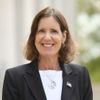
Tracy Richardson
|
71.8
|
6,627 |
|
|
Robert Matthew Sammons |
28.2
|
2,608 | |
|
Total votes: 9,235 | |||
| = candidate completed the Ballotpedia Candidate Connection survey. | ||||
Do you want a spreadsheet of this type of data? Contact our sales team. |
||||
House District 90[edit]
Did the incumbent file to run for re-election?
| Term-limited |
What made this a battleground race?
| The Cleveland Plain Dealer identified this race as a matchup between candidates supported by House speaker candidates Ryan Smith and Larry Householder. The matchup was between Brian Baldridge (Householder-aligned) and Gina Collinsworth (Smith-aligned). Justin Pizzulli and Scottie Powell also filed to run.[14] |
Republican primary for Ohio House of Representatives District 90
Candidate |
% |
Votes |
||
| ✔ |
|
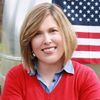
Brian Baldridge |
39.6
|
3,477 |
|
|
Gina Collinsworth |
31.5
|
2,768 | |
|
|
Justin Pizzulli |
19.2
|
1,688 | |
|
|
Scottie Powell |
9.7
|
848 | |
|
Total votes: 8,781 | |||
Do you want a spreadsheet of this type of data? Contact our sales team. |
||||
House District 91[edit]
Did the incumbent file to run for re-election?
| Term-limited |
What made this a battleground race?
| The Cleveland Plain Dealer identified this race as a matchup involving a candidate supported by former House Speaker Cliff Rosenberger, an ally of Ryan Smith. The matchup was between Beth Ellis (Smith/Rosenberger-aligned) and Shane Wilkin (Householder-aligned).[14] |
Republican primary for Ohio House of Representatives District 91
Candidate |
% |
Votes |
||
| ✔ |
|
Shane Wilkin |
56.8
|
6,200 |
|
|
Beth Ellis |
43.2
|
4,717 | |
|
Total votes: 10,917 | |||
Do you want a spreadsheet of this type of data? Contact our sales team. |
||||
House District 98[edit]
Did the incumbent file to run for re-election?
| Term-limited |
What made this a battleground race?
| The Cleveland Plain Dealer identified this race as a matchup involving candidates supported by Ryan Smith and Larry Householder. The major matchup was between Shane Gunnoe (Smith-aligned), Brett Hudson Hillyer (Householder-aligned), and Greg Ress. The other candidates who filed were Mark Behrendt and Larry Hawthorne.[14][28] |
Republican primary for Ohio House of Representatives District 98
Candidate |
% |
Votes |
||
| ✔ |
|
Brett Hudson Hillyer |
31.7
|
2,510 |
|
|
Shane Gunnoe |
31.5
|
2,498 | |
|
|
Greg Ress |
25.4
|
2,016 | |
|
|
Larry Hawthorne |
7.2
|
573 | |
|
|
Mark Behrendt |
4.1
|
327 | |

|
Total votes: 7,924 | |||
Do you want a spreadsheet of this type of data? Contact our sales team. |
||||
2019 House speaker election[edit]

The two Republicans who ran for House speaker in 2019 were House Finance Committee Chairman Ryan Smith and state Rep. Larry Householder, who served as speaker from 2001 to 2004. State Rep. Robert McColley had also been planning to run, but he withdrew in September 2017 and endorsed Smith.
Smith was first appointed to the chamber in 2012 and served as chairman of the House Finance Committee in the 2017 legislative session. In his bid for speaker, he received the implicit support of House Speaker Cliff Rosenberger, who was term-limited and could not seek re-election in 2018. After McColley withdrew from the race, Smith said he had the support of over half of the members of the Republican caucus running for re-election in 2018.[29]

Householder first served as speaker from 2001 to 2004. Heading into the 2000 elections, he was not in line for leadership as retiring-Speaker Jo Ann Davidson, a moderate Republican, had tapped fellow moderate Bill Harris to replace her. Householder gained the support of the rural and socially conservative wing of the party and funded primary challengers running against Harris-aligned candidates.[30] Enough of his primary candidates won and he was elected speaker for the 2001 legislative session. While he was serving as speaker, an anonymous memo surfaced and claimed Householder was involved in laundering campaign contributions. According to Columbus Monthly, the subsequent investigations into Householder's activities possibly contributed to his decision to forego a run for statewide office in 2006 after term-limits ended his tenure in the state House.[2]
Householder was elected to the Ohio House again in 2016. He came into conflict with Rosenberger due to his dislike of some of his committee assignments.[2] In his bid for speaker, he received the support of Republican donor Tony George.[13]
Rosenberger resignation[edit]
In April 2018, House Speaker Cliff Rosenberger (R) resigned due to an FBI investigation into his relationships with lobbyists and overseas travel. Rosenberger denied that he engaged in any wrongdoing, but he said he would step down due to the nature of the inquiry.[31]
State Rep. Kirk Schuring, the number two Republican in the state House leadership, took over from Rosenberger until a new speaker could be elected.
The Alliance Review reported that Smith and Householder would both have strengths and weaknesses if they attempted to take over from Rosenberger in 2018. Smith was thought to have the support of a majority of sitting members of the Republican caucus, but his close relationship with Rosenberger might cause some to reconsider. Householder was said to have the political skills necessary to take the speakership, and he would provide a clear alternative to Rosenberger's tenure. However, he also faced an FBI investigation in the early 2000s.[32]
On April 13, the Cleveland Plain-Dealer reported that Smith, Dorothy Pelanda, Andy Thompson, and Jim Butler were interested in the speakership for 2018. Householder did not say whether he would run.
When asked about his potential run by the Plain-Dealer, Thompson said, "Because of the warring parties out there, you need someone who is not attached too much to the one side or the other. And I'm not attached to either side."[33]
On April 16, Smith said he had the votes to win the speaker's race.[34]
The vote for to replace Rosenberger was set for May 15. Schuring said he would not endorse a candidate.[5]
On May 15, Smith ran against Pelanda and Thompson in the Republican caucus election. He received the most votes, but he did not eclipse 50, which Schuring said was the number required for a new speaker to be seated.[35]
On May 22, another vote to elect an interim speaker was canceled.[36]
On June 5, Smith was elected as the temporary speaker of the house.[6]
How did Smith and Householder differ?[edit]
According to 3rd Rail Politics, the Smith vs. Householder contest for speaker mirrored a statewide struggle between Republicans aligned with moderate figures such as Gov. John Kasich (R) and former House Speaker Jo Ann Davidson (R) and Republicans aligned with President Donald Trump (R) and his supporters. Donors aligned with the competing factions included restaurateur and Trump supporter Tony George for the Householder wing and activist Ginni Ragan for the Smith wing.[37][38]
Conflict between Smith and Householder[edit]
OHROC spending in primaries[edit]
In January 2018, Householder said that elements of the Ohio Republican Party, including the Ohio House Republican Organizational Committee (OHROC), supported Smith by spending money in Republican primaries without incumbents running. “My problem is, the purpose of OHROC has changed,” Householder said. “No longer is it about trying to get Republicans elected that are incumbents and to protect the majority. The purpose of OHROC now is to be a private campaign fund for one person to fuel his ambitions.”[39]
Smith said that Householder was being disingenuous because he had over $700,000 in cash on hand that he could spend on general election contests. “He keeps all his money for his single goal of holding the gavel again,” Smith said. “I’m the team player who gives all my money so the caucus can be defended and we can put people up in an election that we can win with.”[39]
Smith and Speaker Rosenberger also said that Householder targeted incumbent legislators supportive of Smith in their primaries and in general elections. Householder denied that he was funding any Democratic campaigns.[39]
On February 6, state Rep. Scott Ryan, the vice-chairman of OHROC sent an email to members of the House Republican caucus saying that Householder had also spent OHROC funds in open Republican primaries while he had served as speaker. A memo attached to the email outlined Householder's involvement in Republican primaries in 2002, alleging that he spent over $200,000 in party funds on four primary races and that he attempted to convince Doug Mink to back out of a primary against his ally Jim Raussen.[40]
In response to the email, state Rep. Anthony DeVitis said there had been no active House speaker's race when Householder spent the funds and that the 2018 spending could endanger incumbents in the general elections. He said, “I don’t want to see that happen and Speaker Rosenberger should not be putting Rep. Smith’s political ambition ahead of our colleagues. Any seat we lose will be at the feet of Speaker Rosenberger, Rep. Smith, and you who are spending precious OHROC resources for personal gain.”[40]
On April 12, Householder sent a letter to then-Speaker Pro Tempore Kirk Schuring asking that the $53,500 he donated to OHROC be returned. He said that OHROC was funding challenges against Republicans who were allied with him. He also said that Scott Ryan and former state Rep. Bill Hayes (R) had encouraged a primary challenge against him by Kevin Black and that OHROC was not assisting him in the race. Furthermore, he said that Smith and Rosenberger were raising money to oppose him in his primary.[41]
Labor union support[edit]
Labor union political action committees weighed in on the speaker's race. Labor unions traditionally supported Democrats over Republicans due to Democratic opposition to right-to-work laws. With Republicans in control of the state, unions began to work with the GOP.
As of March 2018, most states surrounding Ohio had passed right-to-work laws saying that workers could not be required to pay certain union fees. Ohio had not passed such legislation. Some members of the Ohio Republican Party, including Speaker Rosenberger and Senate President Larry Obhof (R), had expressed support for making Ohio a right-to-work state. Others, including Gov. John Kasich (R), expressed opposition to Ohio adopting a right-to-work law.
Unions PACs gave about $220,000 to Householder and $20,000 to Smith in 2017. Householder said that union members were moving into the Republican Party under the presidency of Donald Trump. “They recognize that we share a lot of the same values that those who use their hands and backs every day share,” he said, “I see them as part of the Republican Party.”[3]
Smith criticized Householder's fundraising from unions but said that he was willing to listen to pro-union members of the Republican caucus. “Part of being a leader is allowing the discussion to go on and see where it takes itself,” Smith said. Smith also said that he thought Householder's support from unions would decrease his support among House Republicans supportive of right-to-work legislation.[3]
Ohio state Rep. John Becker (R), a supporter of right-to-work laws, saw little difference between Householder and Smith when it came to union legislation, saying neither would likely attempt to make Ohio a right-to-work state.
“I don’t get a warm feeling from either one of them that they are going to be leaders to make Ohio a right-to-work state,” Becker said. “I think the labor unions are going to be equally happy with either candidate.”[3]
Campaign finance[edit]
Larry Householder[edit]
In 2017, Householder's campaign committee, Friends of Larry Householder, raised about $288,000 and spent about $102,000.[42]
Top Householder contributors in 2017 included:
- Ohio Coal PAC ($12,700)
- United Steelworkers District 1 ($10,000)
- American Electric Power Committee For Responsible Government PAC ($10,000)
- RPM Manufacturing in America PAC ($6,000)
- Ohio Conference of Teamsters ($5,000)
FirstEnergy PAC, affiliated with the Akron-based FirstEnergy Corp., donated to Householder and his allies in 2018, giving about $150,000 to 16 candidates as of April 2018. According to the Cleveland Plain Dealer, FirstEnergy Corp. allowed Householder to use its corporate jet to attend Donald Trump's inauguration. Householder and his allies supported legislation that would allow FirstEnergy subsidiaries to charge $2.50 more per month to help subsidize the Davis-Besse and Perry nuclear power plants, which the company announced would close by 2021.[43]
Householder reported disbursing $92,500 to the following 12 candidates ($7,707.79 each) in April 2018:[4]
- Brian Baldridge
- Tim Barhorst
- Jamie Callender
- Jon Cross
- Josh Hagan
- Kris Jordan
- Derrick Merrin
- Jena Powell
- Mike Rasor
- Tracy Richardson
- Jim Trakas
- Shane Wilkin
Also reported in April 2018 was $90,600 in donations to Householder candidates by Wayne Boich, chairman of Boich Companies and a player in the coal industry, $28,200 in donations from Murray Energy, a coal mining company, and further donations by ACT Ohio, a construction trades representative, and the International Union of Operating Engineers Local 18.[4]
Ryan Smith[edit]
In 2017, Smith's campaign committee, Friends of Ryan Smith, raised about $378,000 and spent about $530,000. He contributed $480,000 to OHROC.[44]
Top Smith contributors in 2017 included:
- The Wholesale Beer and Wine Association of Ohio ($5,500)
- FirstEnergy PAC ($5,000)
- Bricker and Eckler ($5,000)
- Capitol Partners PAC ($5,000)
- Ohio Oil and Gas Association ($3,000)
OHROC reported disbursing $354,200 to the following nine candidates (varying amounts) in April 2018:[4]
- Michael Canty
- Gina Hall Collinsworth
- Beth Ellis
- Dave Ferguson
- Shane Gunnoe
- Denise Martin
- John O'Brien
- John Plecnik
- Reggie Stoltzfus
Also reported in April 2018 was $79,700 in donations to Smith candidates by Ginni Ragan, bringing her total contributions to House Republicans in 2018 to $224,400. OHROC raised $818,000, most of which came from incumbent Republicans, and had spent about $1 million as of April.[4]
Satellite spending[edit]
Outside groups supporting Householder and Smith ran mailers, radio messages, and television advertisements in the primaries. The groups supporting pro-Smith candidates (or opposing pro-Householder candidates) were the Honors and Principles PAC and the Conservative Alliance PAC. The pro-Householder group was the Growth and Opportunity PAC.
According to the Canton Repository, the Conservative Alliance PAC and the Growth and Opportunity PAC paid for advertisements in more than 15 Republican primaries.[45]
Pro-Smith[edit]
Honor and Principles PAC ran the following ad opposing Larry Householder in the Columbus media market on April 1, 2018.[46]
Third party group Honor and Principles PAC is up with a spot in Columbus DMA using #Trump to hit former OH Speaker Larry Householder. Ran during Sunday morning news shows this a.m. pic.twitter.com/2m8PKuIgNl
— Medium Buying (@MediumBuying) April 2, 2018
The Conservative Alliance PAC also helped pay for similar negative ads targeting Householder. As of April 19, the two groups had spent about $350,000 on television and radio ads in primaries across the state. As of April 2018, the Conservative Alliance PAC had not reported any donations. The Honors and Principles PAC reported a $175,000 donation from LZP LLC, a group incorporated by Cleveland attorney James Ryan.[41][47]
Householder responded with the following ad, released April 9:
|
On April 18, Householder filed a lawsuit against the Honor and Principles and Conservative Alliance PACs as well as a number of associated political firms and the groups' anonymous donors. In the suit, Householder claimed that the ads were false and defamatory. He asked that they be taken off the air.[48]
The Conservative Alliance PAC listed a number of prominent conservatives as board members, including American Conservative Union (ACU) Chairman Matt Schlapp, Becky Norton Dunlop of the Heritage Foundation, and communications professional Charlie Gerow.
The ACU denied that any of the individuals listed as board members were involved with the PAC. It sent cease-and-desist letters to radio stations running the anti-Householder ads and released the following statement: “A terrible fraud has been committed against the people of Ohio, Rep. Larry Householder, and the American Conservative Union. A mysterious and shady organization is deceiving Ohioans by falsely claiming that ACU Board Members are behind these heinous attack ads.”[49]
The Conservative Alliance PAC said that the ACU board members were mistakenly listed on their filing form by a radio station employee named Carl White who confused the PAC with the ACU. White wrote an apology letter that said he committed an error.[47]
When asked by the Canton Repository, Ryan Smith said he had no connection to the Conservative Alliance PAC.[45]
Pro-Householder[edit]
In April 2018, the Cleveland Plain-Dealer reported that the Growth and Opportunity PAC was sending out negative mailers against pro-Smith candidates James Hoops, Beth Ellis, Michael Canty, and John Plecnik. The group's treasurer did not respond to questions about why it was becoming involved in the race.[23]
Incumbents who did not advance to the general election[edit]
Retiring incumbents[edit]
Six Republican state Senate incumbents did not seek re-election in 2018:
- Kevin Bacon (District 3)
- Bill Beagle (District 5)
- Gayle L. Manning (District 13)
- Kris Jordan (District 19)
- Frank LaRose (District 27)
- Scott Oelslager (District 29)
Twenty-one Republican state House incumbents did not seek re-election in 2018:
- Marlene Anielski (District 6)
- Anne Gonzales (District 19)
- Mike Duffey (District 21)
- Jim Hughes (District 24)
- Kristina Daley Roegner (District 37)
- Marilyn Slaby (District 38)
- Michael Henne (District 40)
- Jeff Rezabek (District 43)
- Kirk Schuring (District 48)
- Christina Hagan (District 50)
- Nathan Manning (District 55)
- Ron Young (District 61)
- Andrew Brenner (District 67)
- Stephen Huffman (District 80)
- Robert Sprague (District 83)
- Keith Faber (District 84)
- Dorothy Pelanda (District 86)
- Terry Johnson (District 90)
- Shane Wilkin (District 91)
- Andrew Thompson (District 95)
- Al Landis (District 98)
Incumbents defeated[edit]
One Republican state House incumbent was defeated in his primary:
- Wes Retherford (District 51)
Competitiveness[edit]
There were 41 open seats in 2018, which was higher than the 27 open seats in 2016 and 2014. The 33 contested Democratic primaries was up from 17 in 2016 and 18 in 2014. The 33 contested Republican primaries was up from 28 in 2016 but down from 34 in 2014. The 320 candidates running was up from 274 in 2016 and 289 in 2014.
| Year | Total seats | Open seats | Total candidates | Democratic primaries contested | Republican primaries contested | Total contested | Incumbents contested in primaries | Total incumbents contested in primaries |
|---|---|---|---|---|---|---|---|---|
| 2018 | 116 | 41 | 320 | 33 | 33 | 28.4% | 21 | 28.0% |
| 2016 | 115 | 27 | 274 | 17 | 28 | 19.6% | 14 | 15.9% |
| 2014 | 116 | 27 | 289 | 18 | 34 | 22.4% | 23 | 25.8% |
Partisan control[edit]
The tables below show the partisan breakdowns of the Ohio House of Representatives and the Ohio State Senate as of July 2018:
Ohio House of Representatives[edit]
| Party | As of July 2018 | |
|---|---|---|
| Democratic Party | 33 | |
| Republican Party | 65 | |
| Vacancies | 1 | |
| Total | 99 | |
Ohio State Senate[edit]
| Party | As of July 2018 | |
|---|---|---|
| Democratic Party | 9 | |
| Republican Party | 24 | |
| Vacancies | 0 | |
| Total | 33 | |
Competitiveness[edit]
This chart shows the trends in Republican primary competitiveness from 2014 to 2018.
2018[edit]
Generally, the competitiveness in 2018 was similar to the levels seen in 2014, with about the same number of total primaries and primary challenges against incumbents. The following information is included in the charts below:
- Incumbent primary challenges: The number of incumbents who ran for re-election and faced a primary challenger.
- Incumbent primary challenges (%): The percentage of incumbents who faced primary challenges out of those who ran for re-election.
- Incumbent primary defeats: The number of incumbents who were defeated in their primaries.
- Incumbent primary defeats (%): The percentage of incumbents who were defeated out of those who faced challenges.
- Total Republican primaries: The total number of Republican primaries, counting those in seats held by incumbents of both parties and those that occurred in open seats.
- Total Republican primaries (%): The percentage of races that held Republican primaries out of all seats in the chamber that held elections.
| Ohio General Assembly Republican primaries, 2018 | ||||||
|---|---|---|---|---|---|---|
| Incumbent primary challenges | Incumbent primary defeats | Total Republican primaries | ||||
| Chamber | Raw number | % | Raw number | % | Raw number | % |
| House of Representatives | 13 | 27.7 percent | Pending | Pending | 29 | 29.3 percent |
| State Senate | 2 | 11.1 percent | Pending | Pending | 4 | 23.5 percent |
2014-2016[edit]
These charts show data on competitiveness in Republican primaries in the Texas House of Representatives and the Texas State Senate from 2014 to 2016. When compared to other state legislatures, Texas was ranked 14 in primary competitiveness in 2016 and was ranked 11 in 2014.
| Ohio House of Representatives Republican primaries, 2014-2016 | ||||||
|---|---|---|---|---|---|---|
| Incumbent primary challenges | Incumbent primary defeats | Total Republican primaries | ||||
| Year | Raw number | % | Raw number | % | Raw number | % |
| 2016 | 6 | 11.8 percent | 1 | 16.7 percent | 20 | 30.3 percent |
| 2014 | 14 | N/A | 2 | 14.3 percent | 28 | 42.4 percent |
| Ohio State Senate Republican primaries, 2014-2016 | ||||||
|---|---|---|---|---|---|---|
| Incumbent primary challenges | Incumbent primary defeats | Total Republican primaries | ||||
| Year | Raw number | % | Raw number | % | Raw number | % |
| 2016 | 4 | 44.4 percent | 0 | N/A | 8 | 50.0 percent |
| 2014 | 5 | N/A | 0 | N/A | 5 | 29.4 percent |
National competitiveness[edit]
The charts below contain data on competitiveness in all Republican primaries in state houses and state senates from 2014 to 2016. To see a running count of Republican primary competition in the 2018 elections, click here.
| State House Republican primaries, 2014-2016 | ||||||
|---|---|---|---|---|---|---|
| Incumbent primary challenges | Incumbent primary defeats | Total Republican primaries | ||||
| Year | Raw number | % | Raw number | % | Raw number | % |
| 2016 | 493 | 22.2 percent | 64 | 13.0 percent | 758 | 16.1 percent |
| 2014 | 492 | 22.9 percent | 68 | 13.8 percent | N/A | N/A |
| State Senate Republican primaries, 2014-2016 | ||||||
|---|---|---|---|---|---|---|
| Incumbent primary challenges | Incumbent primary defeats | Total Republican primaries | ||||
| Year | Raw number | % | Raw number | % | Raw number | % |
| 2016 | 103 | 18.3 percent | 19 | 18.4 percent | 225 | 18.6 percent |
| 2014 | 97 | N/A | 17 | 17.5 percent | N/A | N/A |
Voter information[edit]
How the primary works[edit]
A primary election is an election in which registered voters select a candidate that they believe should be a political party's candidate for elected office to run in the general election. They are also used to choose convention delegates and party leaders. Primaries are state-level and local-level elections that take place prior to a general election. Ohio utilizes an open primary system. In an open primary system, a voter does not have to register with a political party beforehand in order to vote in that party's primary. In Ohio, voters select their preferred party primary ballots at their polling places on Election Day.[50][51][52][53]
Poll times[edit]
Registration requirements[edit]
Voter ID requirements[edit]
Early voting[edit]
Ohio permits early voting. Learn more by visiting this website.
As of April 2021, 38 states and the District of Columbia permitted early voting. Early voting permits citizens to cast ballots in person at a polling place prior to an election. In states that permit early voting, a voter does not have to provide an excuse for being unable to vote on election day. States that do not permit early voting still permit some or all citizens to vote early by mail—often known as absentee voting. Some states allow no-excuse absentee voting, while others require an excuse. States that allow in-person absentee voting without an excuse are counted among early voting states. Click here for early voting laws by state.[54]
Absentee voting[edit]
All voters are eligible to vote absentee in Ohio. There are no special eligibility requirements for voting absentee.[55]
Absentee ballots may be requested for each individual election beginning on January 1, or 90 days before the date of an election, whichever is earlier. The request must be received by the local county board of elections by noon the third day before the election. A returned absentee ballot must then be postmarked at least one day before Election Day and received by the elections board no later than 10 days after the election.[55]
See also[edit]
- Ohio state legislative Democratic primaries, 2018
- Ohio House of Representatives elections, 2018
- Ohio State Senate elections, 2018
- Ohio State Legislature
- Ohio elections, 2018
External links[edit]
- 3rd Rail Politics series on Larry Householder
Footnotes[edit]
- ↑ 3rd Rail Politics, "Who Is Really Pulling Ohio Speaker Candidate Ryan Smith’s Strings?," February 4, 2018
- ↑ 2.0 2.1 2.2 2.3 Columbus Monthly, "Larry Householder is the man of the House," May 3, 2017
- ↑ 3.0 3.1 3.2 3.3 Columbus Dispatch, "Union money now fuels GOP legislative campaigns in Ohio," February 25, 2018
- ↑ 4.0 4.1 4.2 4.3 4.4 Cleveland Plain Dealer, "State campaign finance filings shed light on heated Ohio House leadership battle," April 26, 2018
- ↑ 5.0 5.1 Columbus Dispatch, "House Republicans set May 15 vote for new speaker," April 25, 2018
- ↑ 6.0 6.1 WOSU, "Rep. Ryan Smith Elected Ohio House Speaker," June 6, 2018
- ↑ Columbus Dispatch, "Householder flexes muscles within Ohio House GOP," May 10, 2018
- ↑ Cleveland Plain Dealer, "Here are the 9 most interesting storylines from this week's Ohio primary election," May 11, 2018
- ↑ WVXU, "The Effect Of Tuesday's Primary In Upcoming Ohio House Speaker Decision," May 10, 2018
- ↑ WOSU, "Primary Is A Big Win For Householder's House Speaker Bid," May 11, 2018
- ↑ Cleveland.com, "Top 10 Ohio House Republican primary races to watch in 2018," March 26, 2018
- ↑ 12.0 12.1 Heilers was originally listed as a pro-Smith candidate due to his inclusion on a list of Smith allies from Cleveland Plain-Dealer reporter Jeremy Pelzer. He contacted Ballotpedia after the primary and said he was not affiliated with either Smith or Householder.
- ↑ 13.0 13.1 13.2 13.3 Cleveland.com, "Behind-the-scenes fight over next Ohio House speaker looms over still-forming state legislative races," December 21, 2017
- ↑ 14.0 14.1 14.2 14.3 14.4 14.5 14.6 14.7 14.8 Cleveland Plain Dealer, "Top 10 Ohio House Republican primary races to watch in 2018," March 26, 2018
- ↑ 15.0 15.1 15.2 15.3 15.4 15.5 15.6 Cleveland Plain Dealer, "FirstEnergy PAC writes big checks to House speaker hopeful Larry Householder, campaign allies," April 20, 2018
- ↑ 16.0 16.1 Twitter, "Jeremy Pelzer on May 8, 2018
- ↑ Cleveland Plain Dealer, "State campaign finance filings shed light on heated Ohio House leadership battle," April 26, 2018
- ↑ 18.0 18.1 Cincinatti.com, "Tanning salons, ghost candidates and party switchers: Nine local primaries to watch next week," April 30, 2018
- ↑ Journal News, "Incumbent not endorsed by Butler County Republican Party," January 25, 2018
- ↑ Journal-News, "Incumbent Butler County state lawmakers get Ohio GOP endorsement," February 10, 2018
- ↑ Cleveland.com, "Capitol Letter," April 4, 2018
- ↑ The Columbus Vindicator, "Nominate Randy Law in Republican race for 64th House District," April 25, 2018
- ↑ 23.0 23.1 Cleveland Plain-Dealer, "Capitol Letter," April 17, 2018
- ↑ 3rd Rail Politics, "State Senator Kris Jordan Way Ahead in Polls," January 23, 2018
- ↑ Cleveland Plain Dealer, "A $1 million ad war is being waged in Rep. Larry Householder's primary race," April 13, 2018
- ↑ Cleveland Plain Dealer, "State campaign finance filings shed light on heated Ohio House leadership battle," April 26, 2018
- ↑ Dayton Daily News, "Miami-Darke County statehouse race most expensive in region," May 4, 2018
- ↑ Email communication with Ballotpedia
- ↑ Cleveland.com, "Rob McColley drops bid for Ohio House speaker, endorses rival," September 20, 2017
- ↑ 3rd Rail Politics, "Mr. Householder Goes To Columbus: Part II of a Series," March 13, 2018
- ↑ CantonRep.com, "Ohio House speaker to resign; Schuring to take interim role," April 10, 2018
- ↑ Alliance Review, "After Rosenberger resignation, now what for Ohio House GOP?," April 12, 2018
- ↑ Cleveland Plain-Dealer, "Race for Ohio House speaker heats up," April 13, 2018
- ↑ Statenews.org, "With Speaker Position Open, Those Who Want The Job Are Lining Up For It," April 16, 2018
- ↑ Canton Repository, "Ohio House GOP hits wall over successor to speaker," May 15, 2018
- ↑ FOX 25 Boston, "Ohio House delays vote on successor to speaker who resigned," May 22, 2018
- ↑ 3rd Rail Politics, "Who Is Really Pulling Ohio Speaker Candidate Ryan Smith’s Strings?," February 4, 2018
- ↑ Cincinatti.com, "How one GOP heiress influenced the Ohio House – and its leader's demise," April 24, 2018
- ↑ 39.0 39.1 39.2 The Columbus-Dispatch, "Powerhouse GOP lawmakers trade barbs in House leadership fight," January 31, 2018
- ↑ 40.0 40.1 The Columbus Dispatch, "House GOP caucus pushes back on Householder, others say caucus is wasting money," February 7, 2018
- ↑ 41.0 41.1 Cleveland Plain-Dealer, "Capitol Letter," April 19, 2018
- ↑ Ohio Secretary of State, "Camaign Finance Reports-Larry Householder," accessed March 26, 2017
- ↑ Cleveland Plain Dealer, "FirstEnergy PAC writes big checks to House speaker hopeful Larry Householder, campaign allies," April 20, 2018
- ↑ Ohio Secretary of State, "Camaign Finance Reports-Ryan Smith," accessed March 26, 2017
- ↑ 45.0 45.1 Canton Repository, "Attack-ad mailers go after GOP candidates in 50th," April 27, 2018
- ↑ Twitter, "Medium Buying on April 1, 2018,"
- ↑ 47.0 47.1 Cincinatti.com, "'Careless' mistake, not 'fraud,' put CPAC chair on Ohio ads against Larry Householder," April 24, 2018
- ↑ Cleveland Plain-Dealer, "Ohio State Rep. Larry Householder sues political groups over attack ads," April 18, 2018
- ↑ WFMY 2 News, "In ‘fraud,’ Ohio House speaker ads run in CPAC chair's name," April 19, 2018
- ↑ National Conference of State Legislatures, "State Primary Election Types," accessed October 25, 2019
- ↑ FairVote, "Primaries," accessed October 25, 2019
- ↑ Ballotpedia research conducted December 26, 2013, through January 3, 2014, researching and analyzing various state websites and codes.
- ↑ LAWriter Ohio Laws and Rules, "3501.01 Election procedure - election officials definitions.," accessed October 25, 2019
- ↑ National Conference of State Legislatures, "State Laws Governing Early Voting," August 2, 2019
- ↑ 55.0 55.1 Ohio Secretary of State, "Voting Absentee by Mail," accessed October 15, 2019

Categories: [Ohio elections, 2018] [State legislative primary elections, 2018] [Marquee, completed election, 2018] [Republican state legislative primary elections, 2018]
↧ Download as ZWI file | Last modified: 12/24/2021 03:03:22 | 14 views
☰ Source: https://ballotpedia.org/Ohio_state_legislative_Republican_primaries,_2018 | License: CC BY-SA 3.0
 ZWI signed:
 KSF
KSF